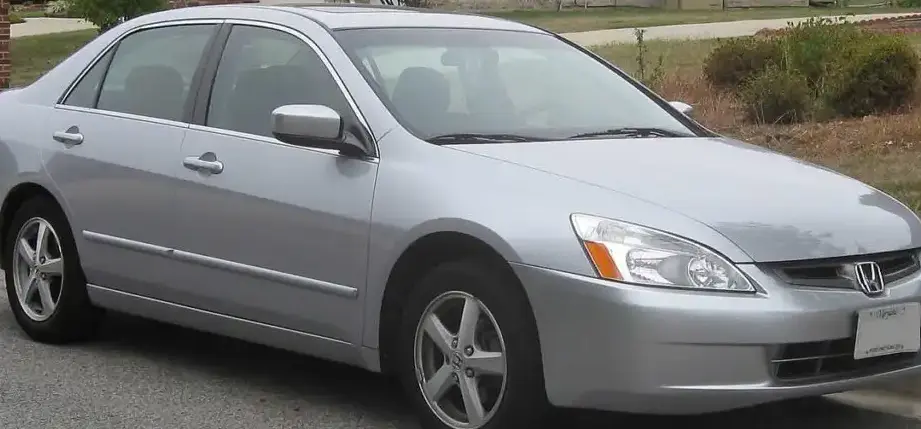
The Toyota Camry XV30, produced from 2001 to 2006, represented the fifth generation of Toyota’s globally successful Camry mid-size sedan. Within the XV30 range, the 2.4-liter 16-valve, 152 horsepower variant with a 4-speed automatic transmission occupied a significant position as the standard engine and transmission pairing for the North American market. This configuration aimed to balance affordability, fuel efficiency, and acceptable performance for the average family sedan buyer. It served as the entry point into the XV30 Camry lineup, with the 3.0-liter V6 offering a more powerful, though more expensive, alternative.
Technical Specifications
| Engine Type | Inline 4-cylinder, DOHC |
| Displacement | 2362 cc (2.4 L) |
| Horsepower | 152 hp @ 5600 rpm |
| Torque | 160 lb-ft @ 4000 rpm |
| Fuel System | Sequential Multi-Port Fuel Injection |
| Valvetrain | 16-valve (4 valves per cylinder) |
| Compression Ratio | 9.7:1 |
| Transmission | 4-speed Automatic |
| Drive Wheels | Front-Wheel Drive |
| Curb Weight | 3185 – 3333 lbs (depending on trim) |
| Fuel Capacity | 17.2 gallons |
| EPA Fuel Economy (City/Highway) | 21/31 mpg (approximate) |
| Wheelbase | 105.1 inches |
| Length | 189.2 inches |
| Width | 71.7 inches |
| Height | 56.5 inches |
Introduction
The XV30 Camry was a pivotal model for Toyota, solidifying the Camry’s reputation for reliability, comfort, and practicality. Introduced in late 2001 as a 2002 model, it represented a significant redesign over the previous generation (XV20). The XV30 was larger, more refined, and offered improved safety features. The 2.4-liter engine and 4-speed automatic combination was the volume seller, targeting buyers who prioritized value and fuel economy over outright performance. It was available in various trim levels, including CE, LE, and XLE, each offering increasing levels of features and luxury. The XV30 Camry was built on Toyota’s K platform, shared with other models like the Lexus ES 300 and the Solara coupe.
Powertrain & Engine Architecture
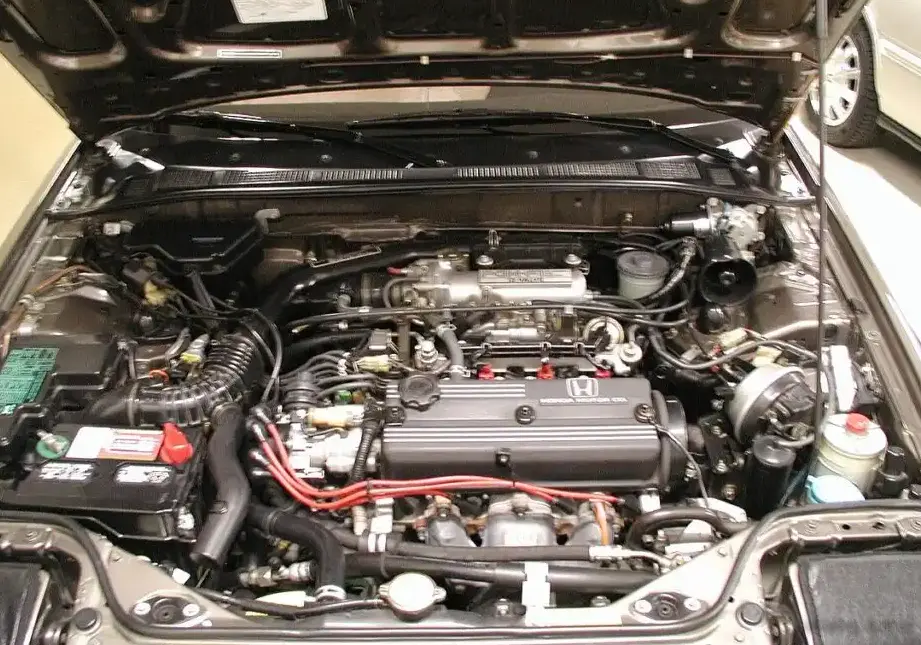
The 2AZ-FE 2.4-liter inline-four engine powering this Camry variant is a member of Toyota’s AZ series of engines, known for their durability and relatively simple design. It features a double overhead camshaft (DOHC) configuration with four valves per cylinder, contributing to improved breathing and efficiency. The engine utilizes sequential multi-port fuel injection, delivering fuel directly to each intake port for precise control. The 2AZ-FE incorporates Electronic Fuel Injection (EFI) and Toyota’s Variable Valve Timing with intelligence (VVT-i) system. VVT-i adjusts the timing of the intake valves based on engine speed and load, optimizing performance and fuel economy across a wider range of driving conditions. The 4-speed automatic transmission (A240E) was a conventional torque converter automatic, chosen for its smoothness and reliability. It featured electronically controlled shift points, adapting to driving style and conditions. While not as technologically advanced as some contemporary transmissions, the A240E proved to be a robust and dependable unit.
Driving Characteristics
The 2.4-liter Camry with the 4-speed automatic delivered adequate, but not exhilarating, performance. Acceleration from 0 to 60 mph typically took around 9-10 seconds. The transmission’s gear ratios were tuned for fuel efficiency and smooth cruising rather than aggressive acceleration. The automatic transmission generally shifted smoothly, though it could sometimes feel hesitant during quick overtaking maneuvers. Compared to the 3.0-liter V6 version, the 2.4-liter Camry felt noticeably less powerful, particularly when fully loaded or climbing hills. The V6 offered a more responsive driving experience, but at the cost of increased fuel consumption. The 4-speed automatic, while reliable, lacked the responsiveness and efficiency of the 5 or 6-speed automatics becoming increasingly common in other vehicles at the time. The Camry’s suspension was tuned for comfort, providing a smooth and compliant ride, but it wasn’t particularly sporty or engaging.
Equipment & Trim Levels
The base CE trim of the XV30 Camry 2.4L Automatic typically included features such as air conditioning, power windows and locks, a basic audio system, and steel wheels with wheel covers. The mid-range LE trim added features like upgraded upholstery, a better audio system, alloy wheels, and keyless entry. The top-of-the-line XLE trim offered even more luxury, including leather upholstery, a sunroof, automatic climate control, and upgraded audio options. Optional extras available across the range included a navigation system, premium sound systems, and side airbags. Interior upholstery in the CE and LE trims was typically cloth, while the XLE featured leather. The dashboard layout was functional and straightforward, prioritizing ease of use over stylistic flair.
Chassis & Braking
The XV30 Camry utilized a MacPherson strut front suspension and a multi-link rear suspension, providing a comfortable and controlled ride. Stabilizer bars were standard on both axles, helping to reduce body roll during cornering. Braking systems varied slightly depending on trim level. The CE trim typically featured front disc brakes and rear drum brakes, while the LE and XLE trims were equipped with four-wheel disc brakes. Anti-lock Braking System (ABS) was standard on all trims. The braking performance was adequate for everyday driving, but not particularly sporty. Steering was power-assisted rack-and-pinion, providing light and easy steering feel.
Market Reception & Comparison
The XV30 Camry 2.4L Automatic was generally well-received by critics and consumers alike. It was praised for its reliability, comfort, and spacious interior. However, some critics noted that the engine lacked power and the transmission felt dated compared to competitors. Fuel economy was a strong point, with the 2.4-liter engine achieving respectable MPG figures. Compared to other mid-size sedans of the time, such as the Honda Accord and the Nissan Altima, the Camry offered a more comfortable ride and a reputation for long-term reliability. The Accord was often considered more engaging to drive, while the Altima offered a more modern interior design. The Camry’s resale value remained consistently high, reflecting its strong reputation for dependability.
Legacy
The 2AZ-FE engine and A240E transmission combination in the XV30 Camry proved to be exceptionally durable. Many examples of this powertrain are still on the road today with high mileage, a testament to Toyota’s engineering and build quality. While maintenance costs are generally low, common issues include oil leaks and occasional transmission solenoid failures. In the used car market, the XV30 Camry 2.4L Automatic remains a popular choice for budget-conscious buyers seeking a reliable and practical transportation option. Its affordability, fuel efficiency, and proven track record make it a compelling alternative to newer, more expensive vehicles. The XV30 Camry solidified Toyota’s position as a leader in the mid-size sedan segment and continues to be regarded as a benchmark for reliability and value.