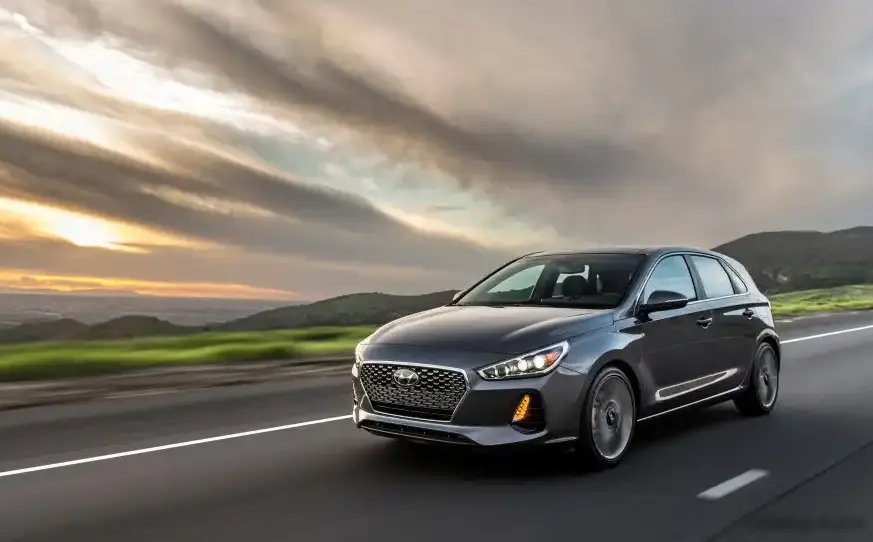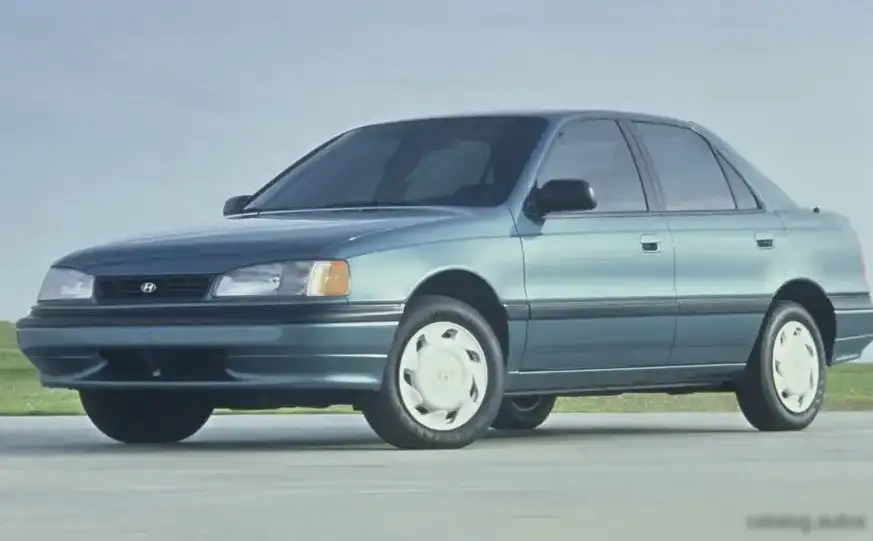
The Hyundai Elantra II 1.9 D, produced between 1998 and 2000, represented a significant step for Hyundai in the European diesel market. Part of the second generation Elantra (XD series), this variant aimed to provide an economical and practical transportation option, particularly appealing to drivers prioritizing fuel efficiency over outright performance. It occupied the entry-level position within the Elantra II range, offering a more affordable alternative to the gasoline-powered models. While not a performance leader, the 1.9 D played a crucial role in establishing Hyundai’s presence as a viable competitor in the compact sedan segment.
Technical Specifications
| Brand | Hyundai |
| Model | Elantra |
| Generation | Elantra II |
| Type (Engine) | 1.9 D (68 Hp) |
| Start of production | 1998 |
| End of production | 2000 |
| Powertrain Architecture | Internal Combustion engine |
| Body type | Sedan |
| Seats | 5 |
| Doors | 4 |
| Fuel Type | Diesel |
| Power | 68 Hp |
| Engine Model/Code | DJY XUD9 |
| Engine aspiration | Naturally aspirated engine |
| Engine oil capacity | 4.25 l (4.49 US qt | 3.74 UK qt) |
| Coolant capacity | 6 l (6.34 US qt | 5.28 UK qt) |
| Drivetrain Architecture | Front wheel drive |
| Number of gears | 5 |
| Gearbox type | Manual transmission |
Powertrain & Engine Architecture
The heart of the Elantra II 1.9 D is the XUD9 diesel engine, a powerplant originally developed by Peugeot and Citroën. Hyundai licensed this engine, designating it as the DJY code within their own lineup. This 1.9-liter, four-cylinder engine is naturally aspirated, meaning it doesn’t employ a turbocharger or supercharger. It utilizes indirect fuel injection, a common technology for diesel engines of that era, employing a distributor-type pump. The XUD9 is known for its robust construction and relative simplicity, contributing to its longevity. The engine features a single overhead camshaft (SOHC) valvetrain operating two valves per cylinder. While not particularly powerful, the XUD9 prioritizes fuel economy and low-end torque. The five-speed manual transmission was the only gearbox option available with this engine, chosen to maximize efficiency and complement the engine’s power characteristics.
Driving Characteristics
The Elantra II 1.9 D offered a decidedly utilitarian driving experience. With only 68 horsepower, acceleration was modest, and overtaking required careful planning. The engine’s strength lay in its low-end torque, making it reasonably capable in city driving and on gentle inclines. The five-speed manual transmission was well-matched to the engine, allowing drivers to keep the engine in its optimal power band. Gear ratios were spaced to prioritize fuel economy, rather than spirited performance. Compared to the gasoline-powered Elantra variants, the 1.9 D felt significantly slower, but it offered a substantial advantage in fuel consumption. The suspension was tuned for comfort, providing a reasonably smooth ride, although it wasn’t particularly sporty. Steering feel was light, making it easy to maneuver in urban environments.
Equipment & Trim Levels
The 1.9 D trim level of the Elantra II was generally considered the base model. Standard equipment typically included power steering, central locking, and basic instrumentation. Interior upholstery was usually cloth, and the dashboard featured a functional, if somewhat spartan, design. Air conditioning was often an optional extra, as were power windows and a radio/cassette player. The overall interior ambiance was focused on practicality and durability rather than luxury. The exterior styling was consistent across the Elantra II range, with the 1.9 D typically featuring steel wheels and black plastic trim. Higher trim levels offered features like alloy wheels, upgraded interior materials, and additional convenience items.
Chassis & Braking
The Elantra II utilized a conventional front-wheel-drive chassis with MacPherson strut suspension at the front and a torsion beam axle at the rear. This setup provided a good balance between ride comfort and handling. The braking system consisted of disc brakes at the front and drum brakes at the rear. While adequate for the vehicle’s weight and performance, the rear drum brakes were a cost-saving measure compared to the all-disc setups found on some higher-spec models. The steering system was a rack-and-pinion setup, providing reasonably precise steering control. Stabilizer bars were fitted to both the front and rear axles to reduce body roll during cornering.
Market Reception & Comparison
The Elantra II 1.9 D was generally well-received as an affordable and economical diesel sedan. Critics praised its fuel efficiency and robust engine, but noted its lack of performance. Compared to other diesel-powered compact cars of the time, such as the Volkswagen Golf or Ford Focus, the Elantra 1.9 D offered a competitive price point but lacked the refinement and driving dynamics of its European rivals. Within the Elantra II lineup, the 1.9 D appealed to buyers prioritizing economy and practicality, while the gasoline-powered models attracted those seeking more performance and a more refined driving experience. Fuel economy figures typically ranged from 45 to 55 mpg, making it an attractive option for high-mileage drivers.
Legacy
The Hyundai Elantra II 1.9 D, while not a particularly exciting vehicle, proved to be a reliable and durable workhorse. The XUD9 engine, in particular, is known for its longevity and relatively simple maintenance requirements. Today, these cars are relatively rare, but well-maintained examples can still be found. They represent an interesting chapter in Hyundai’s history, demonstrating the company’s commitment to offering affordable and practical transportation options. The 1.9 D powertrain is generally considered to be robust and reliable, although age-related issues such as corrosion and wear on rubber components are common. In the used car market, these Elantras are typically valued for their low price and fuel efficiency, making them appealing to budget-conscious buyers or those seeking a simple and dependable vehicle.