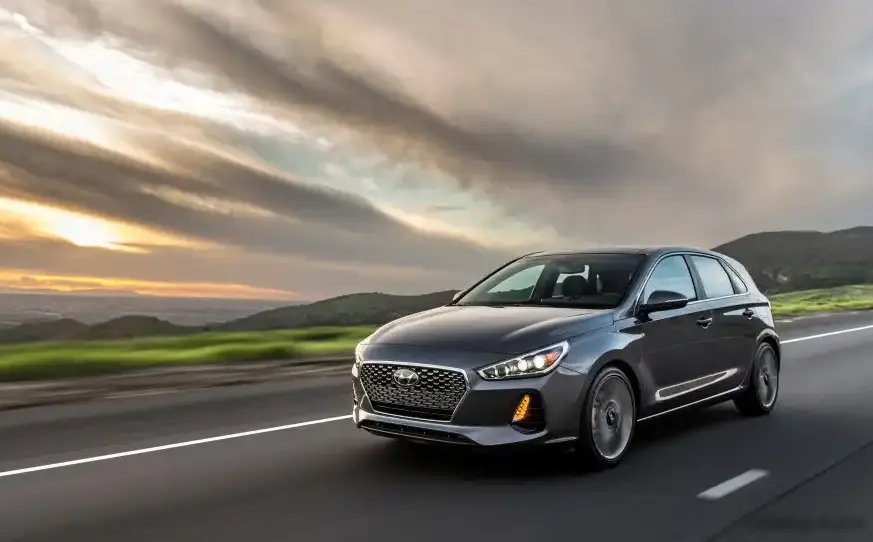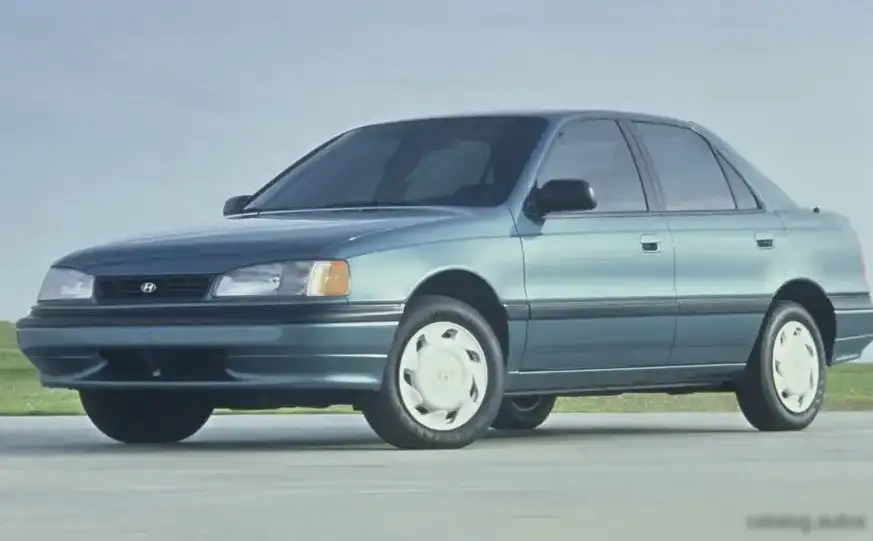
The Hyundai Elantra XD 2.0i Automatic, produced between 2008 and 2011, represented a significant step forward for Hyundai in the North American compact sedan market. Part of the fifth generation Elantra (XD), this variant offered a balance of affordability, practicality, and a relatively modern feature set. Positioned as a mid-range offering within the XD lineup, it slotted between the base 1.6L engine option (not widely available in the US) and the more performance-oriented, though less common, manual transmission variants. The XD generation aimed to shed the brand’s previous reputation for basic transportation and appeal to a broader customer base seeking value and reliability.
Technical Specifications
| Brand | Hyundai |
| Model | Elantra |
| Generation | Elantra XD |
| Type (Engine) | 2.0i Automatic (143 Hp) |
| Start of production | 2008 |
| End of production | 2011 |
| Powertrain Architecture | Internal Combustion engine |
| Body type | Sedan |
| Seats | 5 |
| Doors | 4 |
| Fuel Type | Petrol (Gasoline) |
| Acceleration 0 – 100 km/h | 10.5 sec |
| Acceleration 0 – 62 mph | 10.5 sec |
| Acceleration 0 – 60 mph | 10 sec |
| Maximum speed | 190 km/h (118.06 mph) |
| Emission standard | Euro 4 |
| Weight-to-power ratio | 8.5 kg/Hp, 117.1 Hp/tonne |
| Weight-to-torque ratio | 6.6 kg/Nm, 152.3 Nm/tonne |
| Power | 143 Hp @ 6000 rpm |
| Power per litre | 72.4 Hp/l |
| Torque | 186 Nm @ 4500 rpm (137.19 lb.-ft. @ 4500 rpm) |
| Engine layout | Front, Transverse |
| Engine displacement | 1975 cm3 (120.52 cu. in.) |
| Number of cylinders | 4 |
| Engine configuration | Inline |
| Cylinder Bore | 82 mm (3.23 in.) |
| Piston Stroke | 93.5 mm (3.68 in.) |
| Compression ratio | 10:1 |
| Number of valves per cylinder | 4 |
| Fuel injection system | Multi-port manifold injection |
| Engine aspiration | Naturally aspirated engine |
| Valvetrain | DOHC |
| Kerb Weight | 1221 kg (2691.84 lbs.) |
| Max. weight | 1730 kg (3814 lbs.) |
| Max load | 509 kg (1122.15 lbs.) |
| Fuel tank capacity | 53 l (14 US gal | 11.66 UK gal) |
| Length | 4505 mm (177.36 in.) |
| Width | 1775 mm (69.88 in.) |
| Height | 1480 mm (58.27 in.) |
| Wheelbase | 2650 mm (104.33 in.) |
| Front track | 1543 mm (60.75 in.) |
| Rear (Back) track | 1541 mm (60.67 in.) |
| Drivetrain Architecture | The Internal combustion engine (ICE) drives the front wheels of the vehicle. |
| Drive wheel | Front wheel drive |
| Number of gears and type of gearbox | 4 gears, automatic transmission |
| Front suspension | Independent, type McPherson with coil spring and anti-roll bar |
| Rear suspension | Independent coil spring |
| Front brakes | Ventilated discs |
| Rear brakes | Disc |
| Assisting systems | ABS (Anti-lock braking system) |
| Steering type | Steering rack and pinion |
| Power steering | Electric Steering |
| Tires size | 205/55 R16 |
Powertrain & Engine Architecture
The heart of the Elantra XD 2.0i Automatic is the Hyundai G4GC engine, a 2.0-liter inline-four cylinder gasoline engine. This engine utilizes a naturally aspirated configuration with multi-point fuel injection and a double overhead camshaft (DOHC) valvetrain. The G4GC engine was known for its relatively simple design, contributing to its overall reliability. The 10:1 compression ratio was a standard figure for the time, balancing performance and fuel efficiency. The engine’s 143 horsepower at 6000 rpm and 186 Nm (137.19 lb-ft) of torque at 4500 rpm provided adequate, though not exhilarating, performance for daily driving. Paired with a four-speed automatic transmission, the powertrain prioritized smooth operation and ease of use over outright speed. This transmission, while not the most advanced by modern standards, was generally reliable and well-suited to the engine’s characteristics.
Driving Characteristics
The 2.0L automatic Elantra XD offered a comfortable and predictable driving experience. Acceleration from 0-60 mph took around 10 seconds, making it competitive with other compact sedans of the era. The four-speed automatic transmission, while lacking the responsiveness of more modern gearboxes, provided smooth shifts and adequate gear spacing for typical driving conditions. The torque converter allowed for a smooth launch from a standstill, but the transmission’s shift points were sometimes criticized for being conservative, prioritizing fuel economy over aggressive acceleration. Compared to a manual transmission Elantra XD, the automatic version felt noticeably slower, particularly during highway passing maneuvers. However, the automatic offered a more relaxed driving experience, especially in stop-and-go traffic.
Equipment & Trim Levels
The 2.0i Automatic trim level typically included standard features such as air conditioning, power windows and locks, a basic audio system (often with a CD player), and anti-lock brakes (ABS). Higher trim levels, such as the Limited, added features like alloy wheels, a sunroof, upgraded audio systems, and cruise control. Interior upholstery was typically cloth, with options for upgraded materials on higher trims. The dashboard layout was functional and straightforward, prioritizing usability over stylistic flair. Optional extras included side airbags and a premium sound system.
Chassis & Braking
The Elantra XD utilized a McPherson strut front suspension and an independent coil spring rear suspension. This setup provided a comfortable ride quality, absorbing bumps and irregularities in the road surface effectively. The front suspension incorporated an anti-roll bar to reduce body roll during cornering. Braking duties were handled by ventilated discs at the front and solid discs at the rear. The ABS system provided enhanced braking control in emergency situations. The XD’s chassis was designed to provide a balance of handling and ride comfort, leaning towards the latter. Steering was rack-and-pinion with electric power assistance, offering light and easy steering feel.
Market Reception & Comparison
The Elantra XD 2.0i Automatic was generally well-received by automotive critics as a practical and affordable compact sedan. It was praised for its comfortable ride, spacious interior, and competitive price point. However, some critics noted that the engine lacked refinement and that the automatic transmission could feel sluggish. Compared to other compact sedans of the time, such as the Honda Civic and Toyota Corolla, the Elantra XD offered a similar level of practicality and reliability at a lower price. The 1.8L manual transmission Elantra XD offered better fuel economy and more engaging driving experience, but the 2.0i Automatic appealed to buyers prioritizing convenience and ease of use.
Legacy
The Hyundai Elantra XD 2.0i Automatic has proven to be a relatively reliable vehicle in the used car market. The G4GC engine is known for its durability, and the four-speed automatic transmission, while not particularly sophisticated, is generally robust. Common maintenance issues include routine wear items such as brakes, tires, and suspension components. The XD generation played a crucial role in establishing Hyundai as a credible competitor in the North American automotive market, demonstrating the brand’s commitment to quality and value. Today, well-maintained examples of the Elantra XD 2.0i Automatic can still provide affordable and dependable transportation.