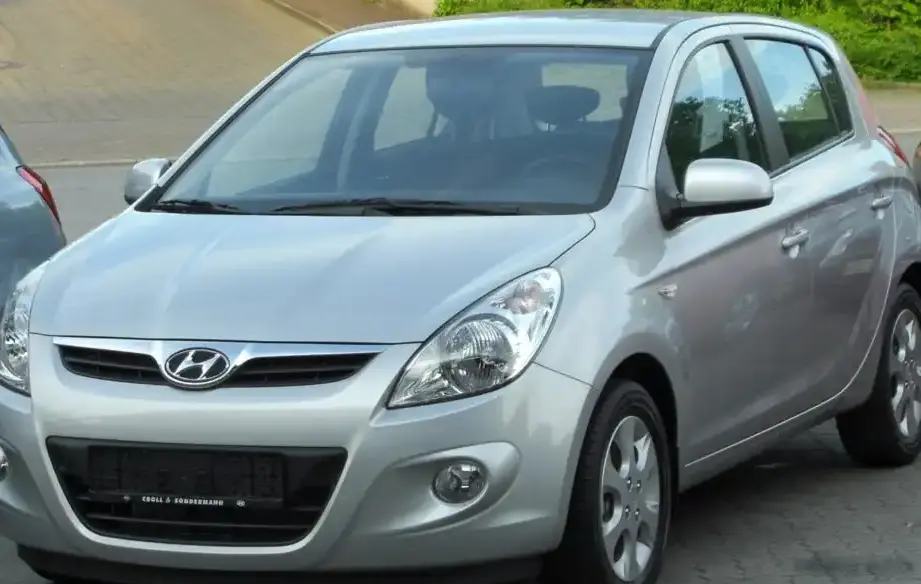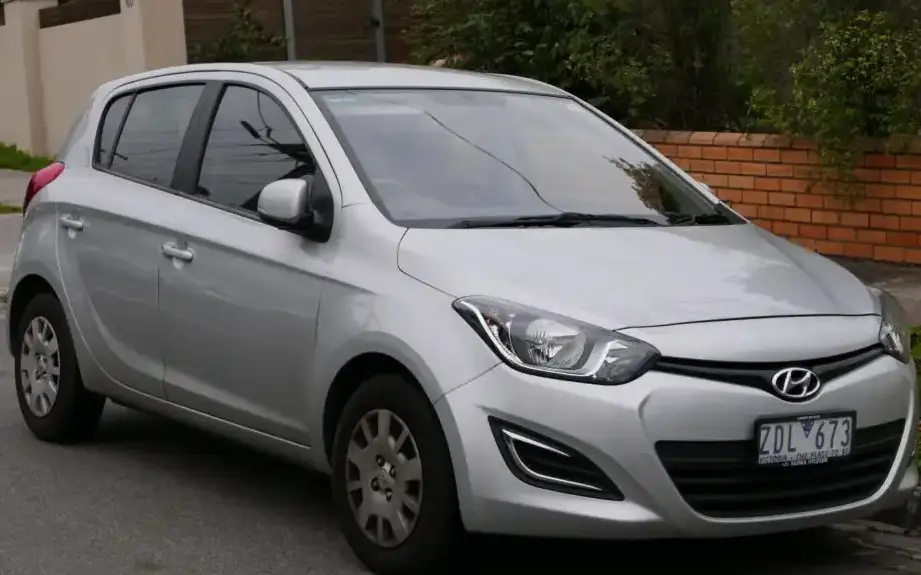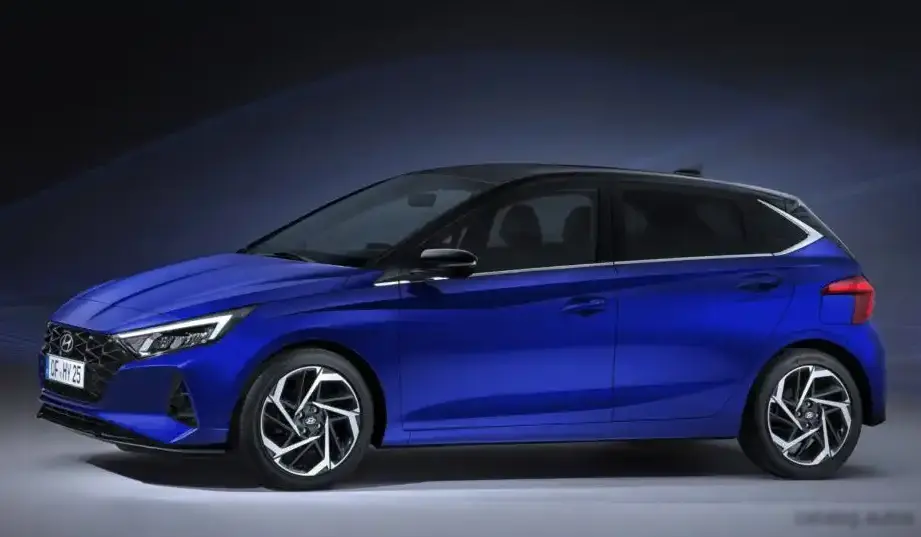
The Hyundai i20 III 1.0 T-GDi (100 hp) represents a significant entry point into the third generation of Hyundai’s popular subcompact hatchback, produced from October 2020 through August 2023. Positioned as a fuel-efficient and technologically equipped option, this variant played a key role in Hyundai’s strategy to offer a diverse range of choices within the competitive B-segment market, particularly in Europe and other regions where smaller, economical cars are highly sought after. It served as a stepping stone to the more powerful engine options within the i20 III lineup, appealing to buyers prioritizing affordability and running costs over outright performance.
Technical Specifications
| Brand | Hyundai |
| Model | i20 |
| Generation | i20 III |
| Type (Engine) | 1.0 T-GDi (100 Hp) |
| Start of production | October, 2020 |
| End of production | August, 2023 |
| Powertrain Architecture | Internal Combustion engine |
| Body type | Hatchback |
| Seats | 5 |
| Doors | 5 |
| Fuel Type | Petrol (Gasoline) |
| Acceleration 0 – 100 km/h | 10.4 sec |
| Acceleration 0 – 62 mph | 10.4 sec |
| Acceleration 0 – 60 mph | 9.9 sec |
| Emission standard | Euro 6d |
| Power | 100 Hp @ 6000 rpm |
| Power per litre | 100.2 Hp/l |
| Torque | 172 Nm @ 1500 rpm / 126.86 lb.-ft. @ 1500 rpm |
| Engine Model/Code | G3LE |
| Engine displacement | 998 cm3 / 60.9 cu. in. |
| Number of cylinders | 3 |
| Engine configuration | Inline |
| Fuel injection system | Direct injection |
| Engine aspiration | Turbocharger, Intercooler |
| Engine oil capacity | 3.6 l / 3.8 US qt | 3.17 UK qt |
| Coolant | 5.77 l / 6.1 US qt | 5.08 UK qt |
| Trunk (boot) space – minimum | 351 l / 12.4 cu. ft. |
| Length | 4040 mm / 159.06 in. |
| Width | 1750 mm / 68.9 in. |
| Height | 1450 mm / 57.09 in. |
| Wheelbase | 2580 mm / 101.57 in. |
| Drivetrain Architecture | The Internal combustion engine (ICE) drives the front wheels of the vehicle. |
| Drive wheel | Front wheel drive |
| Number of gears and type of gearbox | 6 gears, manual transmission |
| Assisting systems | ABS (Anti-lock braking system) |
| Wheel rims size | 17 |
Powertrain & Engine Architecture
The heart of the i20 III 1.0 T-GDi is Hyundai’s G3LE engine, a 998cc, three-cylinder turbocharged gasoline engine. This engine is part of Hyundai-Kia’s “Kappa” engine family, known for its compact size and efficiency. The G3LE utilizes direct fuel injection, a technology that improves combustion efficiency and power output. A single scroll turbocharger with an intercooler is employed to boost performance, providing increased torque at lower engine speeds. The engine’s architecture is a key element in its fuel economy, minimizing internal friction and weight. The 100 hp output is achieved at 6000 rpm, while peak torque of 172 Nm (126.86 lb-ft) is delivered at a low 1500 rpm, contributing to good drivability in urban environments. The engine is paired with a six-speed manual transmission, optimized for fuel efficiency and smooth gear changes. While an automatic transmission was offered on other i20 III variants, the 1.0 T-GDi was primarily sold with the manual gearbox in many markets.
Driving Characteristics
The 1.0 T-GDi equipped i20 III offers a balanced driving experience, prioritizing fuel economy and ease of use over outright performance. The turbocharger provides a noticeable boost in power, making overtaking and merging onto highways manageable, though not particularly brisk. The 0-60 mph time of around 9.9 seconds reflects this focus. The six-speed manual transmission is well-matched to the engine’s characteristics, offering precise shifts and allowing the driver to keep the engine in its optimal power band. Compared to the higher-output 1.2-liter naturally aspirated engine available in some markets, the 1.0 T-GDi provides more responsive acceleration, particularly at lower speeds. However, it lacks the overall power of the larger engine. The relatively lightweight construction of the i20 III helps to mitigate the modest power output, resulting in a nimble and engaging driving experience. The steering is light and accurate, making it easy to maneuver in city traffic.
Equipment & Trim Levels
The i20 III 1.0 T-GDi typically came equipped with a respectable level of standard features, reflecting Hyundai’s commitment to value. Base models generally included air conditioning, a touchscreen infotainment system with Apple CarPlay and Android Auto compatibility, Bluetooth connectivity, and a suite of safety features such as ABS, Electronic Stability Control (ESC), and multiple airbags. Higher trim levels, such as SE or Premium, added features like alloy wheels, a larger touchscreen display, a rear-view camera, parking sensors, and automatic climate control. Interior upholstery was typically cloth, with options for upgraded materials on higher trims. Optional extras included a panoramic sunroof, navigation system, and advanced driver-assistance systems (ADAS) like lane departure warning and forward collision avoidance.
Chassis & Braking
The i20 III utilizes a front-wheel-drive platform with a MacPherson strut front suspension and a torsion beam rear suspension. This setup provides a good balance between ride comfort and handling. The torsion beam rear suspension is a cost-effective solution that minimizes weight and complexity. Braking systems varied depending on the trim level, with lower trims typically featuring drum brakes on the rear wheels and disc brakes on the front. Higher trims often upgraded to disc brakes all around. ABS (Anti-lock Braking System) was standard across all models, enhancing braking performance and safety. Stabilizer bars were fitted to both the front and rear axles to reduce body roll during cornering.
Market Reception & Comparison
The Hyundai i20 III 1.0 T-GDi was generally well-received by automotive critics, who praised its fuel efficiency, comfortable ride, and generous equipment levels. It was often compared to rivals such as the Volkswagen Polo, Ford Fiesta, and Renault Clio. In terms of fuel economy, the 1.0 T-GDi consistently outperformed larger-engined competitors, achieving combined fuel consumption figures in the region of 50-55 mpg (depending on driving conditions and testing standards). Reliability reports have been generally positive, with the G3LE engine proving to be a robust and dependable unit. However, some owners have reported minor issues with the turbocharger and direct injection system. Compared to the higher-powered i20 variants, the 1.0 T-GDi offered a more affordable entry point, making it an attractive option for budget-conscious buyers.
Legacy
The Hyundai i20 III 1.0 T-GDi has established itself as a popular choice in the used car market, offering a compelling combination of affordability, fuel efficiency, and practicality. The G3LE engine has proven to be relatively reliable, although regular maintenance is essential to ensure long-term durability. The availability of spare parts is good, and repair costs are generally reasonable. As a result, the i20 III 1.0 T-GDi remains a viable option for buyers seeking a dependable and economical subcompact hatchback. Its success contributed to Hyundai’s growing reputation for producing high-quality, value-for-money vehicles.