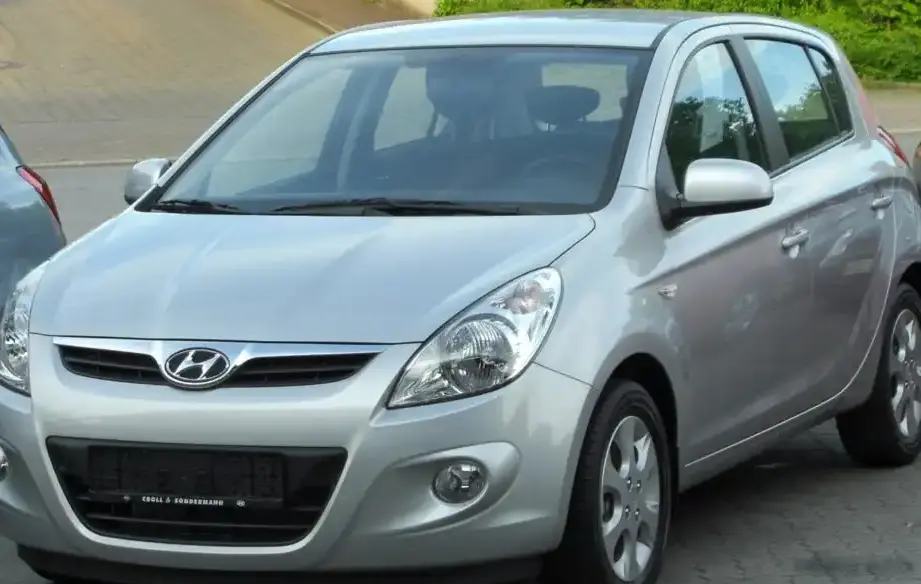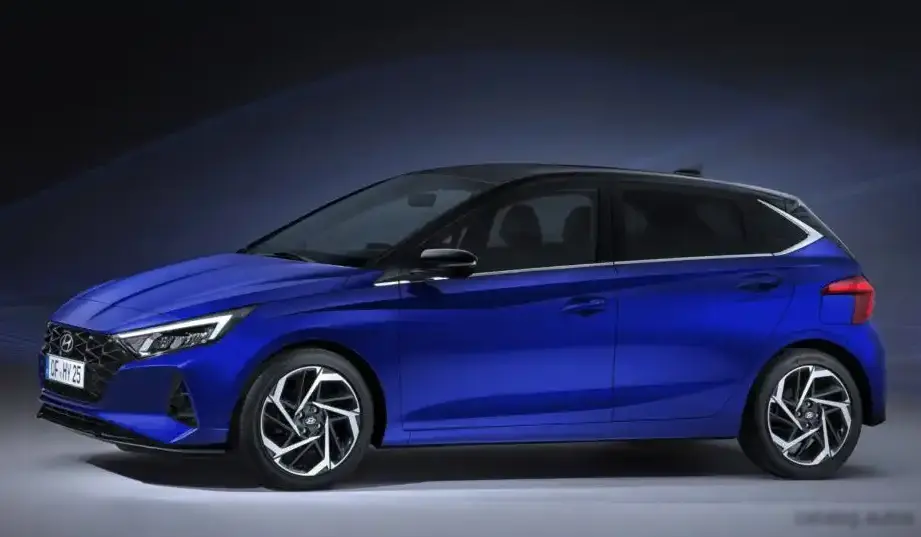
The Hyundai i20 III 1.0 T-GDi 48V (100 hp) Mild Hybrid represents a significant step in Hyundai’s efforts to offer fuel-efficient and technologically advanced subcompact hatchbacks. Introduced in October 2020 and continuing through August 2023, this variant occupied a key position within the i20 III range, bridging the gap between the base engine options and the more powerful alternatives. It was primarily marketed in Europe and other regions where smaller, economical cars are highly sought after. This model aimed to provide a balance of performance, fuel economy, and affordability, appealing to a broad customer base.
Technical Specifications
| Brand | Hyundai |
| Model | i20 |
| Generation | i20 III |
| Type (Engine) | 1.0 T-GDi 48V (100 Hp) Mild Hybrid |
| Start of production | October, 2020 |
| End of production | August, 2023 |
| Powertrain Architecture | MHEV (Mild Hybrid Electric Vehicle) |
| Body type | Hatchback |
| Seats | 5 |
| Doors | 5 |
| Fuel Type | Petrol (Gasoline) |
| Acceleration 0 – 100 km/h | 10.4 sec |
| Acceleration 0 – 62 mph | 10.4 sec |
| Acceleration 0 – 60 mph | 9.9 sec |
| Emission standard | Euro 6d |
| Power | 100 Hp @ 6000 rpm |
| Power per litre | 100.2 Hp/l |
| Torque | 172 Nm @ 1500 rpm (126.86 lb.-ft. @ 1500 rpm) |
| Engine Model/Code | G3LE |
| Engine displacement | 998 cm3 (60.9 cu. in.) |
| Number of cylinders | 3 |
| Engine configuration | Inline |
| Fuel injection system | Direct injection |
| Engine aspiration | Turbocharger, Intercooler |
| Engine oil capacity | 3.6 l (3.8 US qt | 3.17 UK qt) |
| Trunk (boot) space – minimum | 351 l (12.4 cu. ft.) |
| Length | 4040 mm (159.06 in.) |
| Width | 1750 mm (68.9 in.) |
| Height | 1450 mm (57.09 in.) |
| Wheelbase | 2580 mm (101.57 in.) |
| Drivetrain Architecture | Front wheel drive, MHEV. ICE and electric motor drive front wheels in mixed mode. |
| Number of gears and type of gearbox | 6 gears, manual transmission iMT |
| Assisting systems | ABS (Anti-lock braking system) |
| Wheel rims size | 17 |
Powertrain & Engine Architecture
The heart of the i20 III 1.0 T-GDi 48V is the G3LE engine, a 998cc turbocharged three-cylinder gasoline engine. This engine utilizes direct fuel injection and an intercooler to maximize efficiency and power output. The “48V” designation indicates the inclusion of a mild hybrid system. This system comprises a 48-volt battery and a belt-driven starter generator (BSG). The BSG allows for features like extended start-stop functionality, regenerative braking (capturing energy during deceleration), and a small power assist during acceleration. The engine produces 100 horsepower at 6000 rpm and 172 Nm (126.86 lb-ft) of torque at 1500 rpm. The engine’s architecture is designed for compactness and low friction, contributing to its fuel efficiency. The transmission offered with this variant was a 6-speed Intelligent Manual Transmission (iMT). This iMT system is a clutchless manual transmission, where actuators control the clutch engagement and disengagement, offering a more convenient driving experience while still maintaining some of the control of a manual gearbox.
Driving Characteristics
The 100 hp 1.0 T-GDi 48V powertrain delivers adequate performance for everyday driving. Acceleration from 0 to 60 mph takes approximately 9.9 seconds, which is competitive within its class. The turbocharger provides a noticeable boost in power, especially at lower engine speeds, making it feel more responsive than naturally aspirated engines of similar displacement. The iMT transmission, while convenient, doesn’t offer the same level of engagement as a traditional manual. Gear ratios are tuned for fuel economy, meaning the engine can feel slightly strained when accelerating hard or climbing hills. Compared to the higher-output 1.2-liter engine option in the i20 III range, this 1.0 T-GDi feels less powerful, but it compensates with better fuel efficiency and a more refined driving experience. The mild hybrid system provides a subtle boost during acceleration, but its primary benefit is in reducing fuel consumption in urban driving conditions.
Equipment & Trim Levels
The i20 III 1.0 T-GDi 48V was typically offered in mid-range trim levels, such as SE, Comfort, or similar designations depending on the specific market. Standard equipment generally included air conditioning, a touchscreen infotainment system with Apple CarPlay and Android Auto compatibility, Bluetooth connectivity, and a suite of safety features like lane keeping assist, forward collision avoidance assist, and automatic emergency braking. Higher trim levels added features like a larger touchscreen, navigation system, automatic climate control, rear parking sensors, and alloy wheels. Interior upholstery was typically cloth, with options for premium materials in higher trims. The dashboard layout was modern and functional, with a focus on ease of use.
Chassis & Braking
The i20 III utilizes a front-wheel-drive platform with a MacPherson strut front suspension and a torsion beam rear suspension. This setup provides a good balance of ride comfort and handling. The chassis was tuned to prioritize stability and predictability over sporty handling. Braking systems typically consisted of disc brakes on the front wheels and drum brakes on the rear wheels, although some higher trim levels featured disc brakes all around. ABS (Anti-lock Braking System) was standard, along with electronic stability control (ESC). The suspension components were designed to be lightweight and durable, contributing to the car’s overall efficiency.
Market Reception & Comparison
The Hyundai i20 III 1.0 T-GDi 48V was generally well-received by automotive critics. It was praised for its fuel efficiency, comfortable ride, and well-equipped interior. However, some reviewers noted that the engine could feel underpowered at times, especially when fully loaded or driving on steep inclines. Compared to other subcompact hatchbacks in its class, such as the Volkswagen Polo, Ford Fiesta, and Renault Clio, the i20 offered a competitive level of equipment and value for money. Its mild hybrid system gave it an edge in terms of fuel economy and emissions. Reliability reports generally indicated good reliability, with few major issues reported with the powertrain.
Legacy
The Hyundai i20 III 1.0 T-GDi 48V Mild Hybrid has established itself as a reliable and economical choice in the used car market. The G3LE engine, while not known for its outright performance, has proven to be durable and relatively easy to maintain. The mild hybrid system has also demonstrated good long-term reliability. As a result, this variant continues to be a popular option for buyers seeking a fuel-efficient and affordable subcompact hatchback. Its combination of technology, practicality, and value has cemented its place as a significant model in Hyundai’s lineup.