
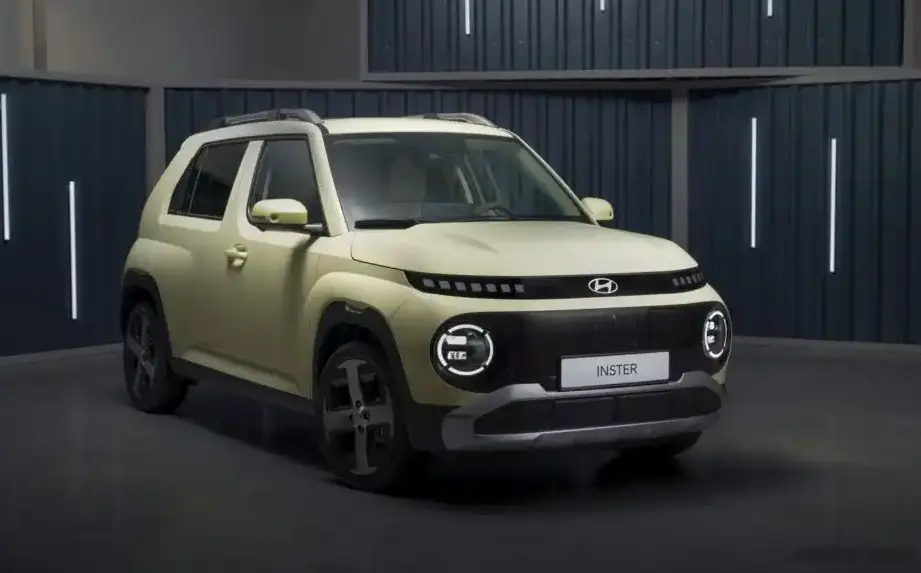
The Hyundai Inster Long Range, equipped with a 49 kWh battery and a 115 horsepower electric motor, represents Hyundai’s entry into the rapidly expanding subcompact electric vehicle (EV) market. Introduced in June 2024, this variant is positioned as an accessible and practical EV option, primarily targeting urban commuters and first-time EV buyers. The Inster, a hatchback with five doors and seating for four, is designed to offer a balance of range, efficiency, and affordability within the Hyundai lineup. It utilizes a dedicated electric vehicle platform, focusing on maximizing interior space and minimizing weight. The Long Range trim specifically aims to address range anxiety, a common concern for potential EV adopters, offering a competitive WLTP range of 355 kilometers (220.59 miles).
Technical Specifications
| Brand | Hyundai |
| Model | Inster |
| Generation | Inster |
| Type (Engine) | Long Range 49 kWh (115 Hp) Electric |
| Start of production | June, 2024 |
| Powertrain Architecture | BEV (Electric Vehicle) |
| Body type | Hatchback |
| Seats | 4 |
| Doors | 5 |
| Fuel Type | Electricity |
| Acceleration 0 – 100 km/h | 10.6 sec |
| Acceleration 0 – 62 mph | 10.6 sec |
| Acceleration 0 – 60 mph | 10.1 sec |
| Maximum speed | 150 km/h (93.21 mph) |
| Gross battery capacity | 49 kWh |
| Battery technology | Lithium nickel manganese cobalt oxides (Li-NMC) |
| Battery location | Below the floor |
| All-electric range (WLTP) | 355 km (220.59 mi) |
| Average Energy consumption (WLTP) | 15.3 kWh/100 km (24.62 kWh/100 mi) |
| MPGe | 137 |
| km/kWh | 6.5 |
| mi/kWh | 4.1 |
| Electric motor power | 115 Hp |
| Electric motor location | Front axle, Transverse |
| Electric motor type | Synchronous |
| System power | 115 Hp |
| Trunk (boot) space – minimum | 280-351 l (9.89 – 12.4 cu. ft.) |
| Length | 3825 mm (150.59 in.) |
| Width | 1610 mm (63.39 in.) |
| Height | 1575 mm (62.01 in.) |
| Wheelbase | 2580 mm (101.57 in.) |
| Drivetrain | Front wheel drive |
| Number of gears and type of gearbox | 1 gears, automatic transmission |
| Assisting systems | ABS (Anti-lock braking system) |
| Steering type | Steering rack and pinion |
| Power steering | Electric Steering |
| Tires size | 205/45 R17 |
| Wheel rims size | 17 |
Powertrain & Engine Architecture
The Hyundai Inster Long Range utilizes a front-wheel-drive, all-electric powertrain. The heart of the system is a synchronous electric motor producing 115 horsepower. This motor is transversely mounted at the front axle, driving the front wheels. The 49 kWh battery pack, employing Lithium Nickel Manganese Cobalt Oxide (Li-NMC) chemistry, is positioned under the vehicle floor to optimize weight distribution and maximize cabin space. The single-speed automatic transmission is inherent to electric vehicle design, providing seamless acceleration without traditional gear changes. The Inster’s electric motor doesn’t rely on a complex internal combustion engine setup; instead, it leverages the instant torque delivery characteristic of electric motors. The charging port specifications are not publicly available as of late 2024, but it is expected to support both AC and DC fast charging capabilities. The motor’s synchronous design contributes to its efficiency and reliability, minimizing energy losses during operation. The battery management system (BMS) plays a crucial role in monitoring and controlling the battery’s performance, ensuring optimal charging and discharging cycles to prolong its lifespan.
Driving Characteristics
The Inster Long Range’s 115 hp output and single-speed automatic transmission deliver a smooth, if not particularly exhilarating, driving experience. Acceleration from 0 to 60 mph takes approximately 10.1 seconds, making it suitable for city driving and highway merging. The single gear ratio prioritizes efficiency over outright performance. Compared to potential future higher-performance Inster variants, this version emphasizes range and fuel economy. The instant torque of the electric motor provides brisk acceleration at lower speeds, making it responsive in urban environments. The low center of gravity, thanks to the underfloor battery pack, contributes to stable handling. The steering is electrically assisted, offering a light and easy feel. Regenerative braking is also incorporated, allowing the motor to recapture energy during deceleration, further enhancing efficiency. While not a sports car, the Inster Long Range provides adequate performance for everyday driving needs, and its quiet operation enhances the overall driving experience.
Equipment & Trim Levels
The Inster Long Range trim is designed to offer a well-rounded package of features. Standard equipment is expected to include air conditioning, power windows and locks, a touchscreen infotainment system with smartphone integration (Apple CarPlay and Android Auto), and a suite of safety features such as ABS, electronic stability control, and multiple airbags. Interior upholstery is likely to be cloth, with optional upgrades to synthetic leather available. Specific trim level details and optional extras (such as a sunroof, upgraded audio system, or advanced driver-assistance systems) will vary depending on the market. The dashboard layout is modern and minimalist, focusing on ease of use and a clean aesthetic. Higher trim levels may include features like a larger touchscreen display, heated seats, and a premium sound system. The Inster aims to provide a comfortable and convenient driving experience without sacrificing affordability.
Chassis & Braking
The Inster Long Range utilizes a conventional suspension setup, featuring MacPherson struts at the front and a torsion beam axle at the rear. This configuration balances ride comfort and handling performance. The braking system consists of disc brakes at the front and drum brakes at the rear, a cost-saving measure common in this vehicle segment. Electric steering provides a responsive and precise steering feel. The vehicle rides on 17-inch alloy wheels with 205/45 R17 tires, offering a good compromise between comfort and grip. The chassis is designed to be lightweight to maximize efficiency and range. The use of high-strength steel in key structural components enhances safety and rigidity. The suspension is tuned to provide a comfortable ride while maintaining adequate control during cornering.
Market Reception & Comparison
The Hyundai Inster Long Range is positioned to compete with other subcompact EVs such as the Nissan Leaf, Chevrolet Bolt, and potentially upcoming offerings from other manufacturers. Initial reviews suggest that the Inster offers a competitive range and price point. Its fuel economy, expressed as 137 MPGe, is comparable to other EVs in its class. The 49 kWh battery capacity strikes a balance between affordability and range, making it an attractive option for buyers who don’t require the longest possible range. Reliability data is currently limited due to the vehicle’s recent launch, but Hyundai has a generally positive reputation for build quality and dependability. Compared to the Nissan Leaf, the Inster offers a more modern design and potentially a longer range. The Chevrolet Bolt, while offering similar range, may lack some of the Inster’s advanced features. The Inster’s competitive pricing and well-rounded feature set position it as a strong contender in the subcompact EV segment.
Legacy
The long-term reliability of the Inster Long Range’s powertrain remains to be seen, but Hyundai’s experience in electric vehicle technology suggests a robust and durable system. The Li-NMC battery chemistry is well-established and offers a good balance of energy density and lifespan. As the EV market matures, the Inster Long Range is expected to hold its value reasonably well, particularly as demand for affordable EVs continues to grow. Its role as an accessible entry point into the electric vehicle world could contribute to wider EV adoption and a more sustainable transportation future. The Inster represents Hyundai’s commitment to expanding its EV lineup and offering consumers a wider range of electric mobility options. The success of the Inster Long Range will likely influence Hyundai’s future EV development and contribute to the overall growth of the electric vehicle market.
