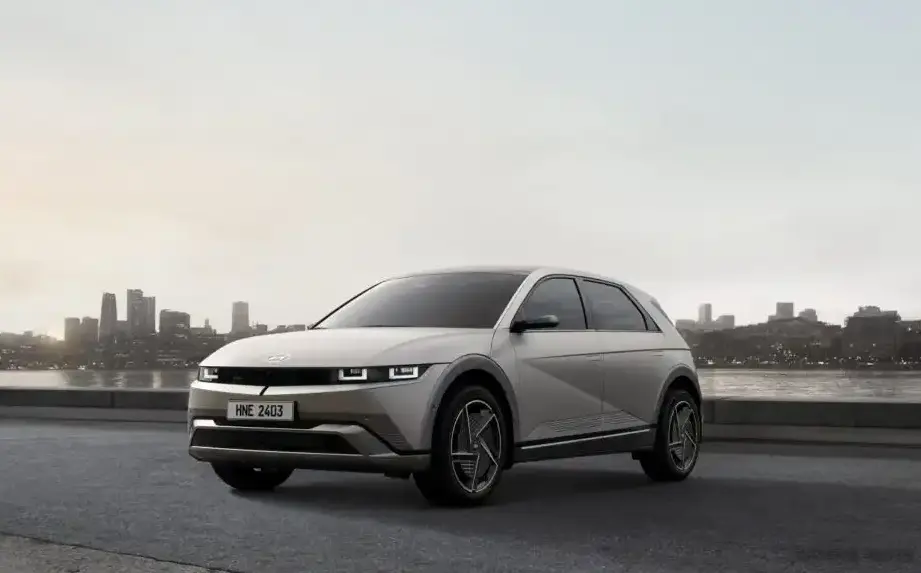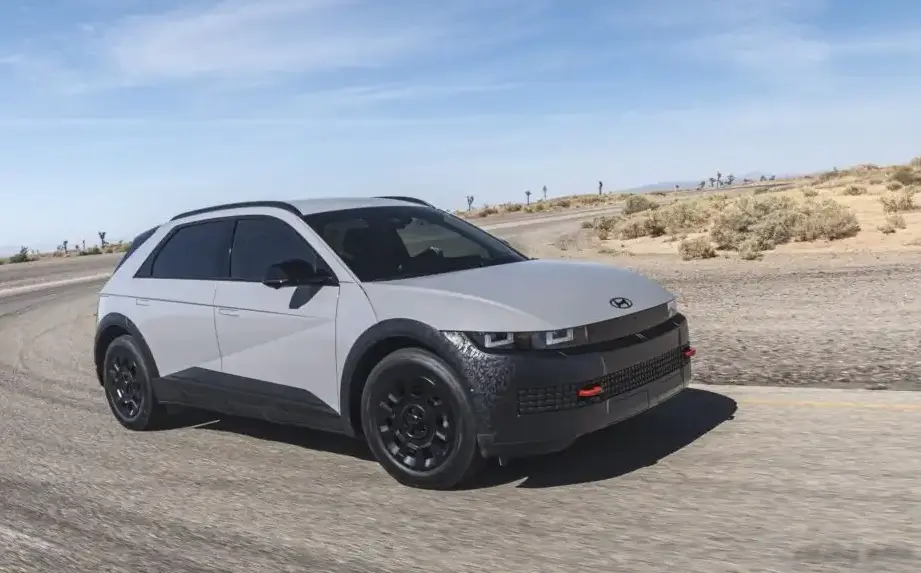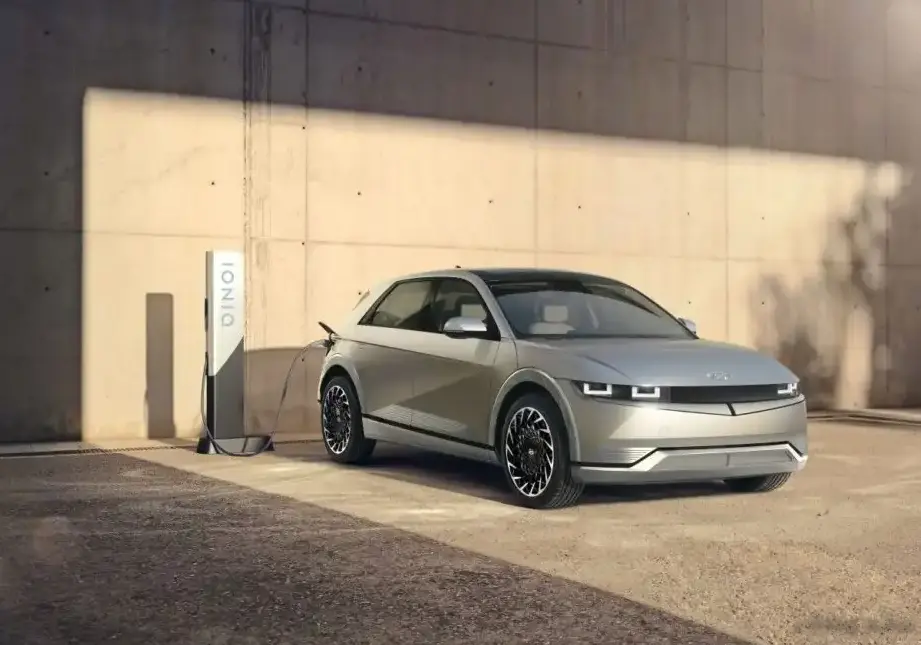
The Hyundai IONIQ 5 Long Range, equipped with a 72.6 kWh battery and delivering 218 horsepower, represents a significant step forward in Hyundai’s electric vehicle strategy. Introduced in February 2021 and continuing through the 2022 model year, this variant occupies a key position within the IONIQ 5 lineup, offering an extended driving range and a balance between performance and efficiency. Built on the Electric Global Modular Platform (E-GMP), the IONIQ 5 aimed to redefine the EV experience with its innovative design, spacious interior, and fast-charging capabilities, primarily targeting the growing segment of environmentally conscious consumers in global markets, including the United States.
Technical Specifications
| Brand | Hyundai |
| Model | IONIQ 5 |
| Generation | IONIQ 5 |
| Type (Engine) | Long Range 72.6 kWh (218 Hp) Electric |
| Start of production | February, 2021 |
| End of production | 2022 |
| Powertrain Architecture | BEV (Electric Vehicle) |
| Body type | SUV |
| Seats | 5 |
| Doors | 5 |
| Fuel Type | Electricity |
| Acceleration 0 – 100 km/h | 7.4 sec |
| Acceleration 0 – 62 mph | 7.4 sec |
| Acceleration 0 – 60 mph | 7 sec |
| Maximum speed | 185 km/h (114.95 mph) |
| Weight-to-power ratio | 8.8 kg/Hp, 114.1 Hp/tonne |
| Weight-to-torque ratio | 5.5 kg/Nm, 183.2 Nm/tonne |
| Gross battery capacity | 72.6 kWh |
| Net (usable) battery capacity | 70 kWh |
| Battery voltage | 653 V |
| Battery technology | Lithium-polymer (LiPo) |
| Battery weight | 453 kg (998.69 lbs) |
| Battery location | Below the floor |
| All-electric range (WLTP) | 451-481 km (280.24 – 298.88 mi) |
| Average Energy consumption (WLTP) | 16.8-17.9 kWh/100 km (27.04 – 28.81 kWh/100 mi) |
| MPGe | 125 – 117 |
| km/kWh | 6 – 5.6 |
| mi/kWh | 3.7 – 3.5 |
| Electric motor power | 218 Hp |
| Electric motor Torque | 350 Nm (258.15 lb.-ft.) |
| Electric motor model/code | EM17 |
| Electric motor location | Rear axle, Transverse |
| System power | 218 Hp |
| System torque | 350 Nm (258.15 lb.-ft.) |
| Kerb Weight | 1910-1990 kg (4210.83 – 4387.2 lbs) |
| Max. weight | 2430 kg (5357.23 lbs) |
| Max load | 440-520 kg (970.03 – 1146.4 lbs) |
| Trunk (boot) space – minimum | 527 l (18.61 cu. ft.) |
| Trunk (boot) space – maximum | 1587 l (56.04 cu. ft.) |
| Max. roof load | 80 kg (176.37 lbs) |
| Permitted trailer load with brakes (12%) | 1600 kg (3527.4 lbs) |
| Permitted trailer load without brakes | 750 kg (1653.47 lbs) |
| Permitted towbar download | 100 kg (220.46 lbs) |
| Length | 4635 mm (182.48 in) |
| Width | 1890 mm (74.41 in) |
| Height | 1605 mm (63.19 in) |
| Wheelbase | 3000 mm (118.11 in) |
| Front track | 1628-1638 mm (64.09 – 64.49 in) |
| Rear (Back) track | 1637-1647 mm (64.45 – 64.84 in) |
| Ride height (ground clearance) | 160 mm (6.3 in) |
| Minimum turning circle (turning diameter) | 11.98 m (39.3 ft) |
| Drivetrain Architecture | One electric motor drives the rear wheels |
| Drive wheel | Rear wheel drive |
| Number of gears and type of gearbox | 1 gears, automatic transmission |
| Front suspension | Independent type McPherson |
| Rear suspension | Independent multi-link suspension |
| Front brakes | Ventilated discs, 325×30 mm |
| Rear brakes | Disc, 325×12 mm |
| Assisting systems | ABS (Anti-lock braking system) |
| Steering type | Steering rack and pinion |
| Power steering | Electric Steering |
| Tires size | 235/55 R19; 255/45 R20 |
| Wheel rims size | 7.5J x 19; 8.5J x 20 |
Powertrain & Engine Architecture
The IONIQ 5 Long Range utilizes a permanent magnet synchronous motor (PMSM) located on the rear axle, producing 218 horsepower and 350 Nm (258 lb-ft) of torque. The EM17 motor is known for its efficiency and power density. Power is delivered through a single-speed automatic transmission, characteristic of most battery electric vehicles. The 72.6 kWh lithium-polymer battery pack, positioned under the floor, provides the energy source. This battery pack employs an 800V architecture, enabling ultra-fast charging capabilities – a key selling point of the IONIQ 5. The 800V system allows for charging from 10% to 80% in approximately 18 minutes using a compatible DC fast charger. The battery management system (BMS) is crucial for maintaining optimal battery health, monitoring cell voltages, and ensuring safe operation.
Driving Characteristics
The rear-wheel-drive configuration of the IONIQ 5 Long Range contributes to a balanced driving experience. Acceleration from 0 to 60 mph is achieved in around 7 seconds, providing adequate performance for everyday driving. The single-speed transmission delivers instant torque, a hallmark of electric vehicles. While not as quick as some performance-oriented EVs, the IONIQ 5 prioritizes smooth and efficient power delivery. The relatively low center of gravity, thanks to the underfloor battery pack, enhances stability and handling. Compared to potential future all-wheel-drive versions, the rear-wheel-drive model offers slightly less traction but improved efficiency.
Equipment & Trim Levels
The IONIQ 5 Long Range typically came well-equipped with standard features including a dual 12.3-inch display screen (instrument cluster and infotainment), a premium sound system, advanced driver-assistance systems (ADAS) such as lane keeping assist, adaptive cruise control, and automatic emergency braking, and a heat pump for efficient cabin heating in cold weather. Interior upholstery options included cloth, synthetic leather, and genuine leather. Optional extras included a head-up display, a panoramic sunroof, and premium audio upgrades. The trim levels varied by market, but generally offered increasing levels of luxury and technology.
Chassis & Braking
The IONIQ 5 features an independent McPherson strut suspension in the front and a multi-link suspension in the rear, providing a comfortable ride and responsive handling. Ventilated disc brakes are used in the front (325x30mm), while solid discs are used in the rear (325x12mm). The electronic stability control (ESC) system and anti-lock braking system (ABS) are standard safety features. The steering is an electric rack and pinion system, offering precise and responsive control.
Market Reception & Comparison
The Hyundai IONIQ 5 Long Range received generally positive reviews from automotive critics. It was praised for its spacious interior, fast charging capabilities, comfortable ride, and innovative design. Compared to other EVs in its class, such as the Tesla Model 3 and the Ford Mustang Mach-E, the IONIQ 5 offered a compelling value proposition with its combination of range, features, and price. Fuel economy, expressed as MPGe, ranged from 117 to 125, depending on driving conditions. Reliability reports have been generally favorable, with few major issues reported.
Legacy
The Hyundai IONIQ 5 Long Range has established itself as a significant player in the rapidly growing electric vehicle market. Its innovative technology, spacious interior, and fast-charging capabilities have resonated with consumers. On the used car market, the IONIQ 5 holds its value relatively well, reflecting its desirability and reputation for reliability. The powertrain, while relatively new, has demonstrated good long-term durability, and the 800V charging architecture remains a key advantage. The IONIQ 5 paved the way for Hyundai’s continued expansion into the EV segment and solidified its position as a leader in electric vehicle technology.