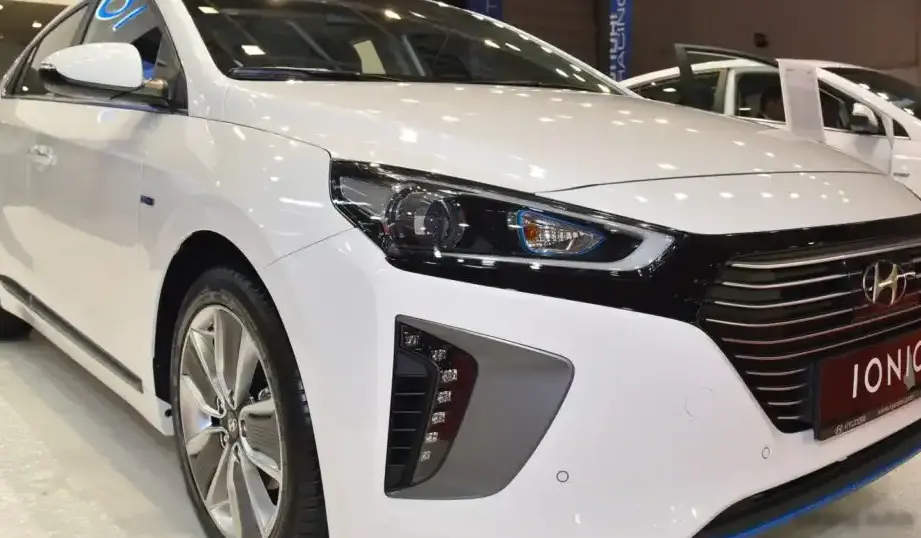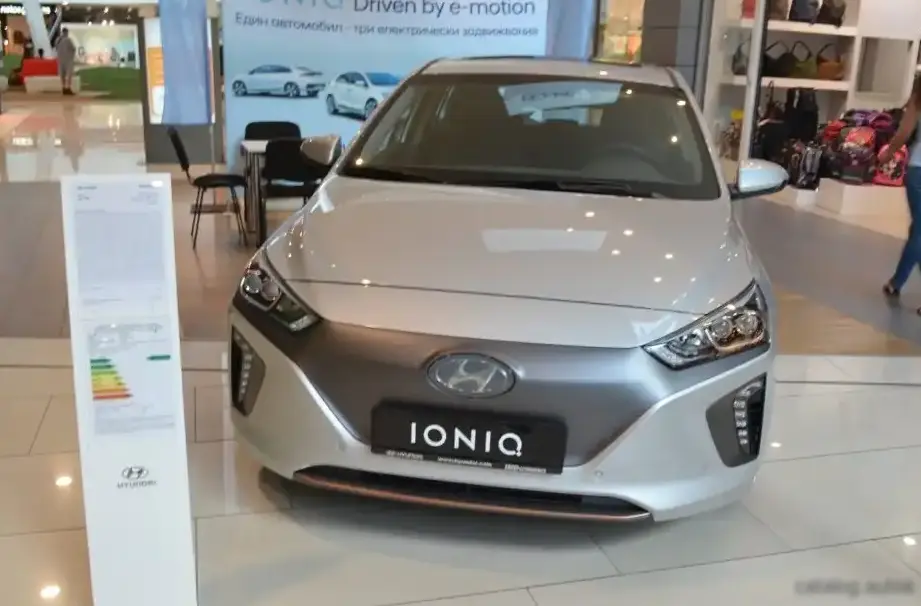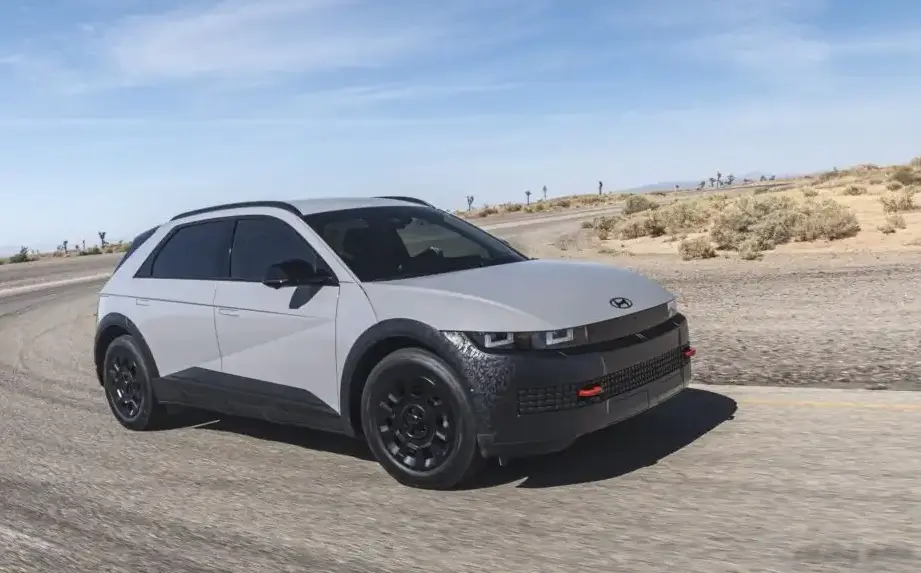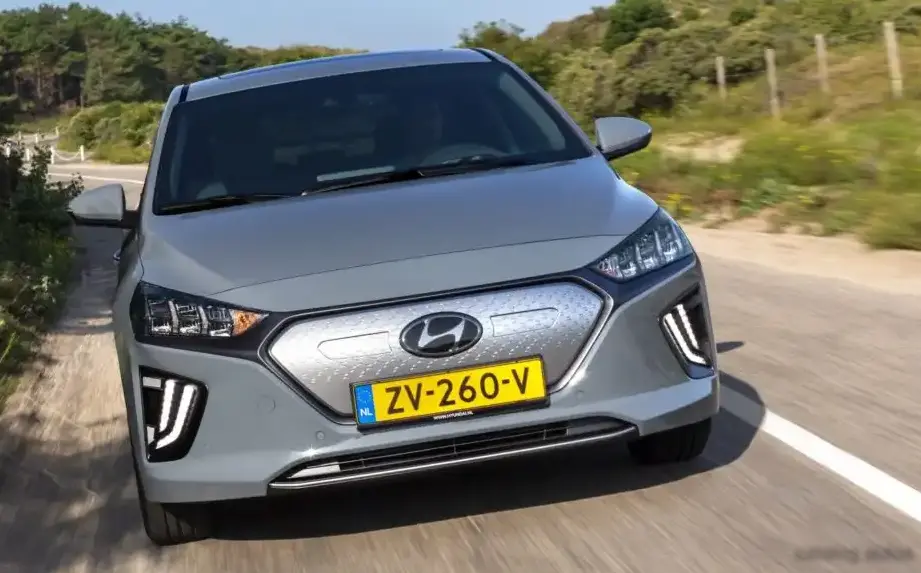
The Hyundai IONIQ Electric, specifically the facelifted model released in 2019 with a 40.4 kWh battery pack producing 136 horsepower, represents a significant step in Hyundai’s early foray into the all-electric vehicle market. Introduced as part of the IONIQ model family – which also included hybrid and plug-in hybrid variants – this version aimed to provide a practical and affordable electric vehicle option for consumers. The 2019 facelift brought styling updates and refinements to the original IONIQ, enhancing its appeal and competitiveness. This particular configuration occupied a mid-range position within the IONIQ Electric lineup, offering a balance between range, performance, and price.
Technical Specifications
| Brand | Hyundai |
| Model | IONIQ |
| Generation | IONIQ (facelift 2019) |
| Type (Engine) | 40.4 kWh (136 Hp) Electric |
| Start of production | 2019 |
| Powertrain Architecture | BEV (Electric Vehicle) |
| Body type | Liftback |
| Seats | 5 |
| Doors | 5 |
| Fuel Type | Electricity |
| Acceleration 0 – 100 km/h | 9.9 sec |
| Acceleration 0 – 62 mph | 9.9 sec |
| Acceleration 0 – 60 mph | 9.4 sec |
| Maximum speed | 165 km/h (102.53 mph) |
| Weight-to-power ratio | 11.2 kg/Hp, 89.1 Hp/tonne |
| Weight-to-torque ratio | 5.2 kg/Nm, 193.2 Nm/tonne |
| Gross battery capacity | 40.4 kWh |
| Net (usable) battery capacity | 38.3 kWh |
| Battery voltage | 319.4 V |
| Battery technology | Lithium-polymer (LiPo) |
| Battery weight | 272 kg (599.66 lbs) |
| Battery location | Below the floor, under the rear seats / Inside the trunk |
| All-electric range (WLTP) | 311 km (193.25 mi) |
| Average Energy consumption | 13.8 kWh/100 km (22.21 kWh/100 mi) |
| Energy consumption (MPGe) | 152 MPGe |
| Energy consumption (km/kWh) | 7.2 km/kWh |
| Energy consumption (mi/kWh) | 4.5 mi/kWh |
| Electric motor power | 136 Hp |
| Electric motor Torque | 295 Nm (217.58 lb.-ft.) |
| Electric motor model/code | EM10 |
| Electric motor location | Front axle, Transverse |
| Electric motor type | Synchronous |
| System power | 136 Hp |
| System torque | 295 Nm (217.58 lb.-ft.) |
| Kerb Weight | 1527-1575 kg (3366.46 – 3472.28 lbs) |
| Max. weight | 1970 kg (4343.11 lbs) |
| Max load | 395-443 kg (870.83 – 976.65 lbs) |
| Trunk (boot) space – minimum | 357 l (12.61 cu. ft.) |
| Trunk (boot) space – maximum | 1417 l (50.04 cu. ft.) |
| Length | 4470 mm (175.98 in) |
| Width | 1820 mm (71.65 in) |
| Width including mirrors | 2045 mm (80.51 in) |
| Height | 1475 mm (58.07 in) |
| Wheelbase | 2700 mm (106.3 in) |
| Front track | 1555 mm (61.22 in) |
| Rear (Back) track | 1564 mm (61.57 in) |
| Front overhang | 880 mm (34.65 in) |
| Rear overhang | 890 mm (35.04 in) |
| Ride height (ground clearance) | 150 mm (5.91 in) |
| Minimum turning circle | 10.6 m (34.78 ft) |
| Drivetrain Architecture | One electric motor drives the front wheels |
| Drive wheel | Front wheel drive |
| Number of gears | 1 |
| Gearbox type | Automatic transmission |
| Front suspension | Independent type McPherson |
| Rear suspension | Torsion |
| Front brakes | Ventilated discs, 280 mm |
| Rear brakes | Disc, 284 mm |
| Assisting systems | ABS (Anti-lock braking system) |
| Steering type | Steering rack and pinion |
| Power steering | Electric Steering |
| Tires size | 205/60 R16 |
| Wheel rims size | 6.5J x 16 |
INTRODUCTION
The 2019 Hyundai IONIQ Electric with the 40.4 kWh battery and 136 hp motor was a key component of Hyundai’s strategy to offer a diverse range of electrified vehicles. Built on the PBV platform (internally known as the 1HX0/A3 platform), it shared its basic architecture with the IONIQ Hybrid and Plug-in Hybrid models, allowing for economies of scale in production. Positioned as a direct competitor to vehicles like the Nissan LEAF and BMW i3, the IONIQ Electric aimed to deliver a compelling combination of range, practicality, and value. The facelifted model introduced in 2019 featured revised styling, improved safety features, and enhancements to the infotainment system, further solidifying its position in the burgeoning EV market.
Powertrain & Engine Architecture
At the heart of the IONIQ Electric is a permanent magnet synchronous electric motor (model EM10) producing 136 horsepower and 295 Nm (217.58 lb-ft) of torque. This motor is mounted transversely at the front of the vehicle, driving the front wheels. The 40.4 kWh lithium-polymer battery pack is located under the floor and partially under the rear seats, contributing to a low center of gravity and improved handling. The battery utilizes a sophisticated thermal management system to maintain optimal operating temperatures, crucial for maximizing range and battery life. The IONIQ Electric employs a single-speed automatic transmission, typical of most electric vehicles, providing seamless acceleration. The vehicle utilizes a standard JSA1772 charging port for Level 1 and Level 2 charging, and is also capable of DC fast charging, allowing for a significant charge in a shorter amount of time. The onboard charger handles AC charging, converting alternating current from the grid to direct current for storage in the battery.
Driving Characteristics
The 136 hp electric motor provides adequate, though not exhilarating, acceleration. The 0-60 mph time of around 9.4 seconds is respectable for a vehicle in this class, and the instant torque delivery characteristic of electric motors provides brisk response in city driving. Compared to the higher-output trims or the gasoline-powered IONIQ models, this variant prioritizes efficiency over outright performance. The single-speed automatic transmission ensures smooth and linear acceleration, but lacks the gear changes that can provide a more engaging driving experience. The low center of gravity, thanks to the battery pack’s placement, contributes to stable handling and reduced body roll. Regenerative braking is adjustable, allowing drivers to customize the level of deceleration when lifting off the accelerator, further enhancing efficiency.
Equipment & Trim Levels
The 2019 IONIQ Electric typically came standard with features such as a 7-inch touchscreen infotainment system with Apple CarPlay and Android Auto compatibility, a rearview camera, automatic emergency braking, lane departure warning, and a suite of driver-assistance technologies. Interior upholstery was typically cloth, with available upgrades to leather in higher trims. Optional extras included a larger touchscreen display, a premium audio system, heated and ventilated front seats, and a sunroof. The dashboard layout is clean and modern, with a focus on usability. The liftback body style provides generous cargo space, further enhancing the vehicle’s practicality.
Chassis & Braking
The IONIQ Electric utilizes an independent McPherson strut suspension at the front and a torsion beam suspension at the rear. This setup provides a comfortable ride quality while maintaining reasonable handling characteristics. The front brakes are ventilated discs measuring 280 mm, while the rear brakes are solid discs measuring 284 mm. Anti-lock braking system (ABS) is standard, ensuring safe and controlled stopping power. The electric power steering provides light and precise steering feel, making it easy to maneuver in urban environments. The vehicle’s relatively low weight, thanks to the efficient battery pack and lightweight construction, contributes to its nimble handling.
Market Reception & Comparison
The 2019 Hyundai IONIQ Electric was generally well-received by critics, who praised its practicality, efficiency, and value. Compared to other EVs in its class, the IONIQ Electric offered a competitive range and a more affordable price point. However, some reviewers noted that its acceleration was not as brisk as some of its rivals. Compared to the IONIQ Hybrid and Plug-in Hybrid models, the Electric variant offered zero-emission driving but came with a higher initial cost. Fuel economy, expressed as MPGe, was a strong point, with the IONIQ Electric achieving a rating of 152 MPGe. Reliability reports have generally been positive, with owners reporting few major issues with the powertrain.
Legacy
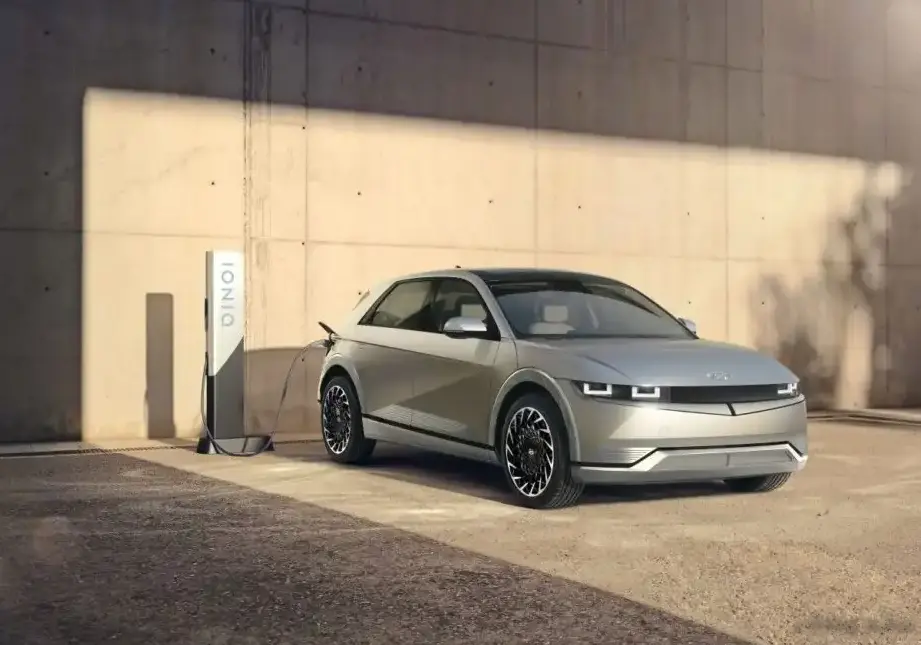
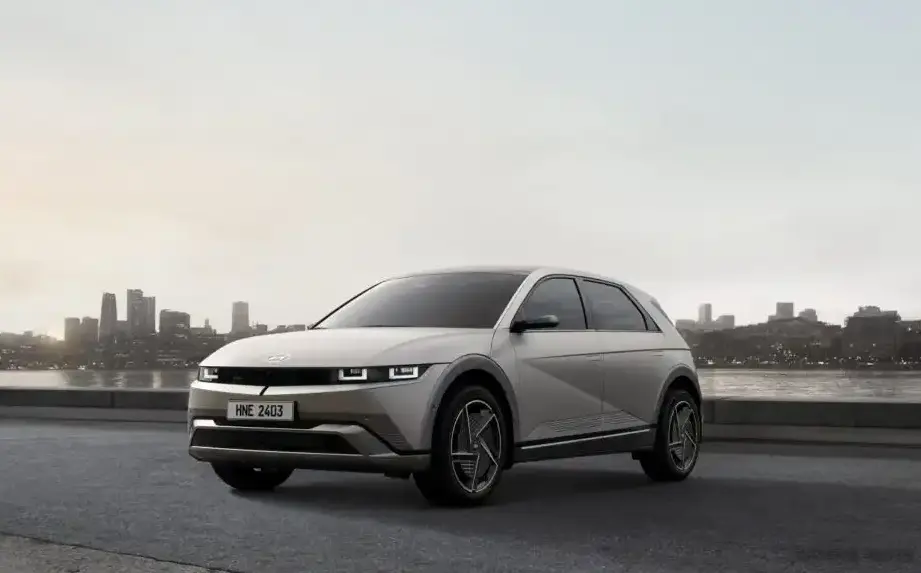
The Hyundai IONIQ Electric, including the 40.4 kWh variant, played a crucial role in establishing Hyundai as a serious contender in the electric vehicle market. While superseded by newer models like the IONIQ 5, the original IONIQ Electric remains a popular choice in the used car market, offering a reliable and affordable entry point into EV ownership. The powertrain has proven to be durable, with many examples exceeding 100,000 miles without significant issues. The IONIQ Electric’s success paved the way for Hyundai’s continued investment in electric vehicle technology and its commitment to a sustainable future.