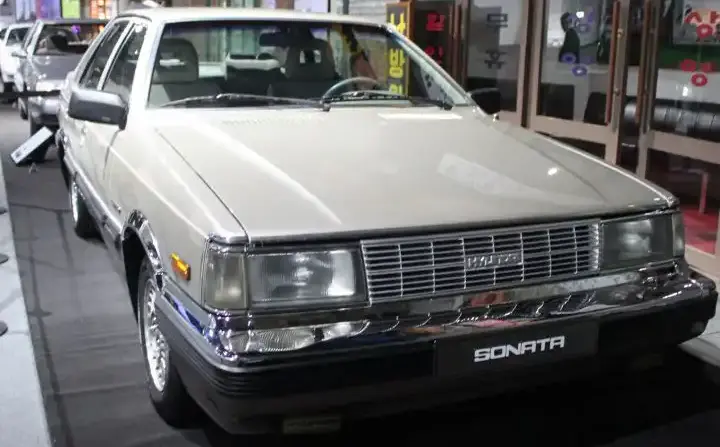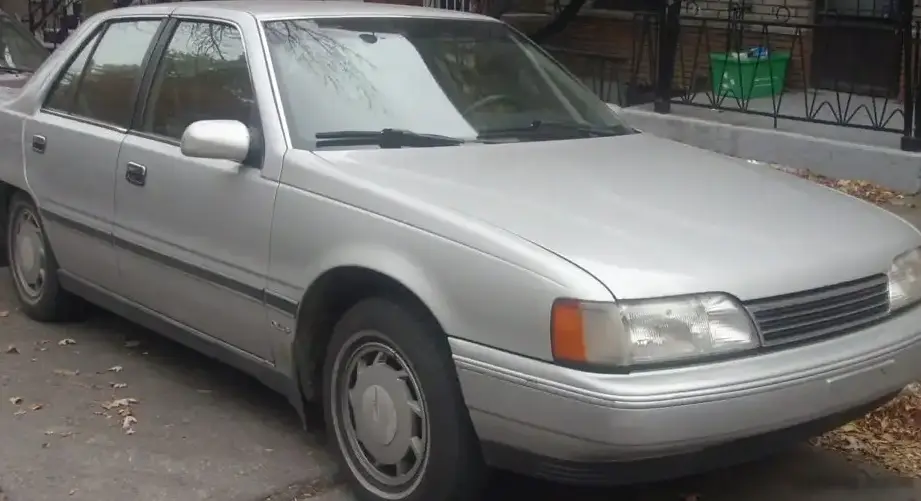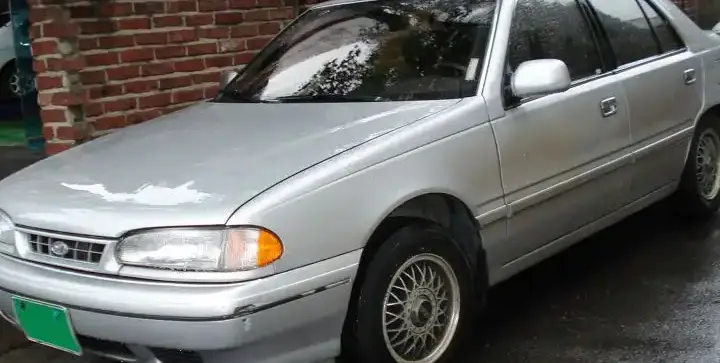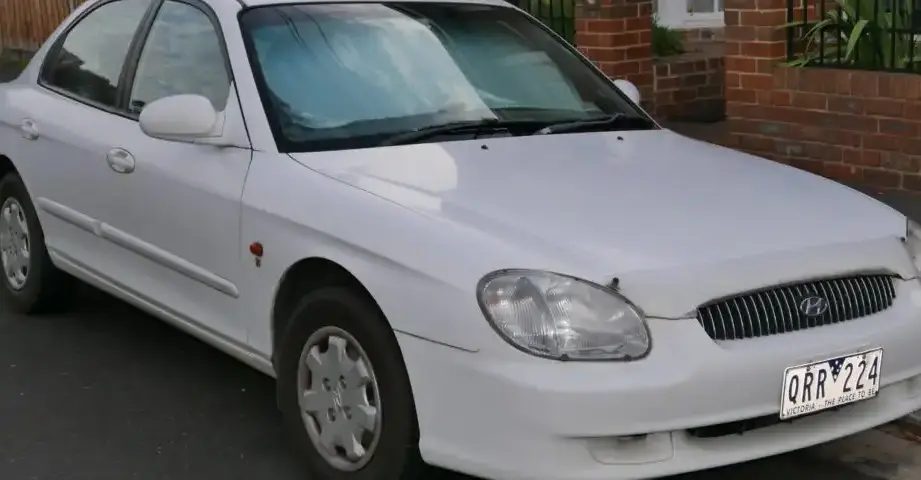
The Hyundai Sonata IV (EF) 2.5i V6 GLS Automatic, produced between 1998 and 2001, represented a significant step forward for Hyundai in the mid-size sedan segment. Part of the EF generation (1998-2001), this variant offered a more upscale experience compared to the base 2.0L models, positioning itself as a comfortable and well-equipped family vehicle. It was primarily marketed towards buyers seeking a spacious, reliable, and relatively affordable alternative to established Japanese and American brands. The EF Sonata was a crucial model for Hyundai, helping to establish the brand’s reputation for value and quality in the North American market.
Technical Specifications
| Brand | Hyundai |
| Model | Sonata |
| Generation | Sonata IV (EF) |
| Type (Engine) | 2.5i V6 GLS (160 Hp) Automatic |
| Start of production | 1998 |
| End of production | 2001 |
| Powertrain Architecture | Internal Combustion engine |
| Body type | Sedan |
| Seats | 5 |
| Doors | 4 |
| Fuel consumption (urban) | 14.3 l/100 km (16.4 US mpg, 19.8 UK mpg, 7 km/l) |
| Fuel consumption (extra urban) | 7.6 l/100 km (30.9 US mpg, 37.2 UK mpg, 13.2 km/l) |
| Fuel consumption (combined) | 10 l/100 km (23.5 US mpg, 28.2 UK mpg, 10 km/l) |
| Fuel Type | Petrol (Gasoline) |
| Acceleration 0 – 100 km/h | 9.3 sec |
| Acceleration 0 – 62 mph | 9.3 sec |
| Acceleration 0 – 60 mph | 8.8 sec |
| Maximum speed | 205 km/h (127.38 mph) |
| Weight-to-power ratio | 8.7 kg/Hp, 115.2 Hp/tonne |
| Weight-to-torque ratio | 6 kg/Nm, 165.6 Nm/tonne |
| Power | 160 Hp @ 6000 rpm |
| Power per litre | 64.2 Hp/l |
| Torque | 230 Nm @ 3750 rpm (169.64 lb.-ft. @ 3750 rpm) |
| Engine layout | Front, Transverse |
| Engine Model/Code | Delta / G6BV |
| Engine displacement | 2494 cm3 (152.19 cu. in.) |
| Number of cylinders | 6 |
| Engine configuration | V-engine |
| Cylinder Bore | 84 mm (3.31 in.) |
| Piston Stroke | 75 mm (2.95 in.) |
| Compression ratio | 10:1 |
| Number of valves per cylinder | 4 |
| Fuel injection system | Multi-port manifold injection |
| Engine aspiration | Naturally aspirated engine |
| Valvetrain | DOHC |
| Engine oil capacity | 4.5 l (4.76 US qt | 3.96 UK qt) |
| Kerb Weight | 1389 kg (3062.22 lbs.) |
| Max. weight | 1975 kg (4354.13 lbs.) |
| Max load | 586 kg (1291.91 lbs.) |
| Trunk (boot) space – minimum | 396 l (13.98 cu. ft.) |
| Fuel tank capacity | 65 l (17.17 US gal | 14.3 UK gal) |
| Length | 4710 mm (185.43 in.) |
| Width | 1818 mm (71.57 in.) |
| Height | 1410 mm (55.51 in.) |
| Wheelbase | 2700 mm (106.3 in.) |
| Front track | 1540 mm (60.63 in.) |
| Rear (Back) track | 1520 mm (59.84 in.) |
| Drag coefficient (Cd) | 0.32 |
| Minimum turning circle | 10.5 m (34.45 ft.) |
| Drivetrain Architecture | The Internal combustion engine (ICE) drives the front wheels of the vehicle. |
| Drive wheel | Front wheel drive |
| Number of gears and type of gearbox | 4 gears, automatic transmission |
| Front suspension | Independent, type McPherson with coil spring and anti-roll bar |
| Rear suspension | Independent multi-link suspension |
| Front brakes | Ventilated discs |
| Rear brakes | Disc |
| Assisting systems | ABS (Anti-lock braking system) |
| Steering type | Steering rack and pinion |
| Power steering | Hydraulic Steering |
| Tires size | 205/60 R15 |
| Wheel rims size | 15 |
Powertrain & Engine Architecture
The heart of the Sonata 2.5i V6 GLS was the Hyundai Delta engine, specifically the G6BV code. This 2.5-liter, naturally aspirated V6 engine featured a 60-degree V-angle and a double overhead camshaft (DOHC) valvetrain with four valves per cylinder. The engine utilized a multi-port fuel injection (MPI) system, delivering fuel directly into the intake ports. This configuration provided a good balance of power and fuel efficiency for its time. The engine produced 160 horsepower at 6000 rpm and 230 Nm (169.64 lb-ft) of torque at 3750 rpm. Paired with this engine was a four-speed automatic transmission, designed for smooth and comfortable shifting. While not a performance-oriented transmission, it was well-suited to the engine’s characteristics and the car’s intended use as a family sedan.
Driving Characteristics
The 2.5i V6 Automatic Sonata offered a comfortable and refined driving experience. Acceleration from 0-60 mph took approximately 8.8 seconds, which was respectable for a mid-size sedan in the late 1990s and early 2000s. The automatic transmission, while lacking the responsiveness of a manual, provided smooth gear changes and made the car easy to drive in city traffic. The power delivery was linear, with adequate torque available for everyday driving situations. Compared to the base 2.0L four-cylinder models, the V6 offered significantly more power and a quieter, more refined engine note. However, it wasn’t as sporty or engaging as some of its competitors with manual transmissions or more powerful engines.
Equipment & Trim Levels
The GLS trim level represented a mid-range offering in the Sonata lineup. Standard features typically included air conditioning, power windows and locks, a CD player, and cloth upholstery. Optional extras often included a sunroof, upgraded audio system, and alloy wheels. The interior design was functional and comfortable, with a focus on providing a spacious and practical cabin for passengers. The GLS trim aimed to strike a balance between affordability and features, making it a popular choice for families.
Chassis & Braking
The Sonata EF utilized an independent suspension system, with McPherson struts at the front and a multi-link setup at the rear. This configuration provided a comfortable ride and decent handling characteristics. The front brakes were ventilated discs, while the rear brakes were solid discs, offering adequate stopping power for the vehicle’s weight. An Anti-lock Braking System (ABS) was standard, enhancing safety and control during emergency braking situations. The steering was rack and pinion with hydraulic power assistance, providing a responsive and easy-to-use steering feel.
Market Reception & Comparison
The Sonata 2.5i V6 GLS was generally well-received by critics and consumers. It was praised for its spacious interior, comfortable ride, and competitive price. Fuel economy was considered average for its class, with combined figures around 23.5 US mpg. Compared to other trims in the Sonata lineup, the V6 GLS offered a significant performance upgrade over the 2.0L models, but at a slightly higher price point. It competed with other mid-size sedans such as the Honda Accord, Toyota Camry, and Nissan Maxima, offering a compelling alternative with a longer warranty and often a lower price.
Legacy
The Hyundai Sonata EF 2.5i V6 GLS has proven to be a relatively reliable vehicle, with many examples still on the road today. The Delta engine, while not without its quirks, is generally considered durable and capable of high mileage with proper maintenance. Common issues include oil leaks and occasional sensor failures. In the used car market, these Sonatas are often sought after for their affordability and practicality. They represent a good value for buyers looking for a comfortable and reliable mid-size sedan, though finding well-maintained examples can be challenging due to their age.