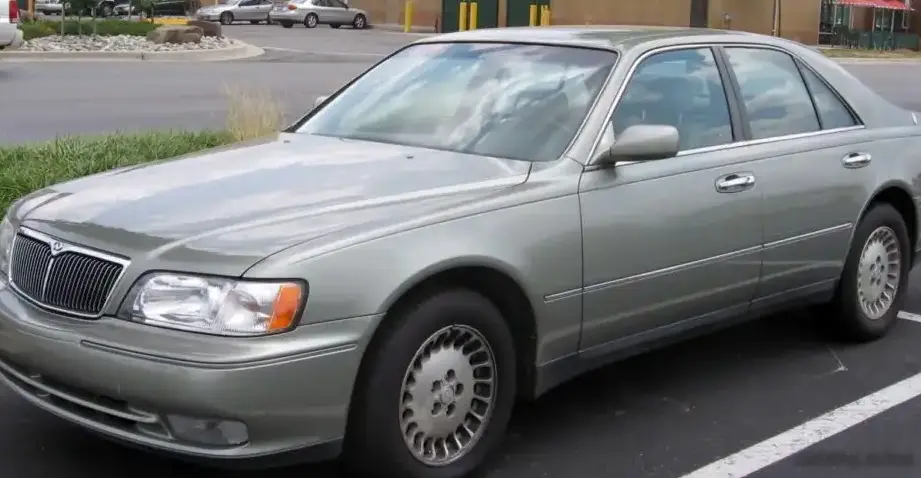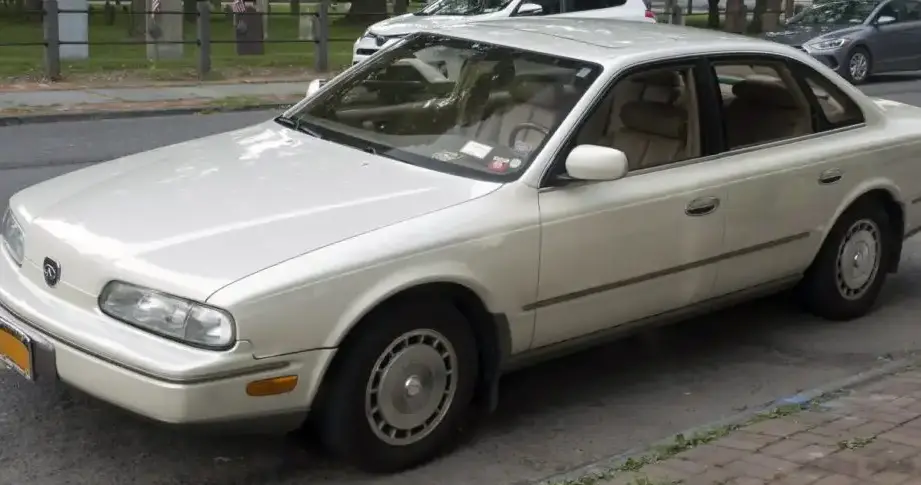
The Infiniti Q45, launched in 1989, represented Nissan’s ambitious foray into the luxury car market in the United States. Positioned as a direct competitor to established German and American luxury sedans, the Q45 aimed to offer a blend of Japanese reliability, innovative technology, and a distinctive design. The first generation, designated the Q45 I (1989-1996), was a pivotal model, establishing the brand’s identity and setting the stage for future Infiniti offerings. This article focuses specifically on the Q45 I equipped with the 4.5-liter V8 engine producing 278 horsepower, paired with a four-speed automatic transmission – a configuration that defined the majority of vehicles sold in the US market.
Technical Specifications
| Brand | Infiniti |
| Model | Q45 |
| Generation | Q45 I |
| Engine Type | 4.5 (278 Hp) |
| Start of Production | 1989 |
| End of Production | 1996 |
| Powertrain Architecture | Internal Combustion Engine |
| Body Type | Sedan |
| Seats | 5 |
| Doors | 4 |
| Fuel Consumption (Combined) | 12.4 l/100 km (19 US mpg, 22.8 UK mpg, 8.1 km/l) |
| Fuel Type | Petrol (Gasoline) |
| Maximum Speed | 241 km/h (149.75 mph) |
| Weight-to-Power Ratio | 6.6 kg/Hp, 151.7 Hp/tonne |
| Weight-to-Torque Ratio | 4.6 kg/Nm, 216 Nm/tonne |
| Power | 278 Hp @ 6000 rpm |
| Power per Liter | 61.9 Hp/l |
| Torque | 396 Nm @ 4000 rpm (292.07 lb.-ft. @ 4000 rpm) |
| Engine Layout | Front, Longitudinal |
| Engine Displacement | 4494 cm3 (274.24 cu. in.) |
| Number of Cylinders | 8 |
| Engine Configuration | V-engine |
| Cylinder Bore | 93 mm (3.66 in.) |
| Piston Stroke | 82.7 mm (3.26 in.) |
| Compression Ratio | 10.2:1 |
| Valves per Cylinder | 4 |
| Fuel Injection System | Multi-port Manifold Injection |
| Engine Aspiration | Naturally Aspirated |
| Valvetrain | DOHC |
| Kerb Weight | 1833 kg (4041.07 lbs.) |
| Trunk Space (Minimum) | 271 l (9.57 cu. ft.) |
| Fuel Tank Capacity | 85 l (22.45 US gal | 18.7 UK gal) |
| Length | 5075 mm (199.8 in.) |
| Width | 1825 mm (71.85 in.) |
| Height | 1435 mm (56.5 in.) |
| Wheelbase | 2880 mm (113.39 in.) |
| Front Track | 1570 mm (61.81 in.) |
| Rear Track | 1570 mm (61.81 in.) |
| Drivetrain | Rear Wheel Drive |
| Number of Gears | 4 |
| Gearbox Type | Automatic Transmission |
| Front Suspension | Coil Spring |
| Rear Suspension | Coil Spring |
| Front Brakes | Ventilated Discs |
| Rear Brakes | Discs |
| Assisting Systems | ABS (Anti-lock Braking System) |
| Steering Type | Steering Rack and Pinion |
| Power Steering | Hydraulic |
| Tire Size | 215/65 R16 V |
Powertrain & Engine Architecture
The heart of the Q45 I was the VH45DE 4.5-liter V8 engine. This engine, a naturally aspirated powerplant, was notable for its smooth operation and relatively high output for its time. The VH45DE featured a 90-degree V-angle, a cast-iron block, and aluminum cylinder heads. It utilized a multi-port fuel injection system, delivering fuel directly to each cylinder for optimized combustion. The double overhead camshaft (DOHC) valvetrain, with four valves per cylinder, further enhanced breathing and contributed to the engine’s power delivery. The engine’s 10.2:1 compression ratio was a balance between performance and reliability. Paired with the engine was a four-speed automatic transmission, designed for smooth and comfortable shifts. While not offering the sporty responsiveness of a manual gearbox, the automatic was well-suited to the Q45’s intended role as a luxury cruiser.
Driving Characteristics
The Q45 I 4.5 with the automatic transmission delivered a refined and comfortable driving experience. Acceleration was brisk, with the 278 horsepower providing ample power for highway merging and passing maneuvers. However, it wasn’t a particularly sporty car. The automatic transmission, while smooth, did result in some power loss compared to a manual transmission. The gear ratios were tuned for comfort and fuel efficiency rather than outright performance. The rear-wheel-drive configuration provided a balanced feel, but the Q45 I wasn’t designed for aggressive cornering. The focus was on providing a quiet, comfortable ride, and in that regard, it excelled. Compared to potential upgrades like a manual transmission, the automatic prioritized ease of use and a more relaxed driving experience.
Equipment & Trim Levels
The Q45 I was well-equipped for its time, offering a range of luxury features as standard. Leather upholstery, power-adjustable front seats, a premium sound system, and automatic climate control were all standard fare. Wood trim adorned the interior, adding to the sense of luxury. Optional extras included a sunroof, upgraded sound systems, and a navigation system (a relatively new feature at the time). The Q45 I didn’t have a complex trim level structure; the focus was on providing a high level of standard equipment. The automatic transmission was the most common configuration, and most Q45s were similarly equipped with the core luxury features.
Chassis & Braking
The Q45 I utilized a traditional body-on-frame construction, which contributed to its substantial weight. The suspension consisted of coil springs all around, providing a comfortable ride. The front suspension featured independent control arms, while the rear suspension was a solid axle setup. Braking duties were handled by ventilated discs at the front and solid discs at the rear. An Anti-lock Braking System (ABS) was standard, enhancing safety. The steering was a rack-and-pinion system with hydraulic power assistance, providing a light and easy steering feel.
Market Reception & Comparison
The Infiniti Q45 I was generally well-received by critics, who praised its smooth engine, comfortable ride, and generous standard equipment. However, it also faced criticism for its somewhat conservative styling and its body-on-frame construction, which felt dated compared to the unibody designs of some European competitors. Fuel economy, at 19 mpg combined, was typical for a large V8 sedan of the era but wasn’t a standout feature. Compared to other Q45 I trims (which were limited, primarily revolving around optional equipment), the 4.5-liter automatic version represented the sweet spot for most buyers, offering a balance of performance, luxury, and convenience.
Legacy
The Infiniti Q45 I laid the foundation for the brand’s success in the luxury car market. While the first generation Q45 is now a classic, the VH45DE engine proved to be remarkably durable. Well-maintained examples can still be found on the road today. The automatic transmission, while not known for being particularly sporty, has also proven to be relatively reliable. In the used car market, the Q45 I represents an affordable entry point into the world of Japanese luxury, offering a unique blend of style, comfort, and reliability. Its significance lies not just in its technical specifications, but in its role as a pioneering vehicle that challenged the established order in the luxury car segment.