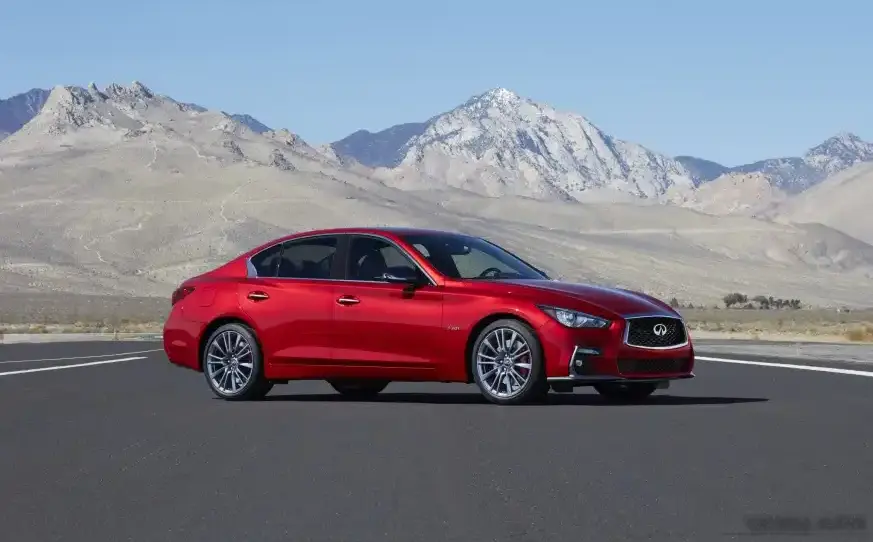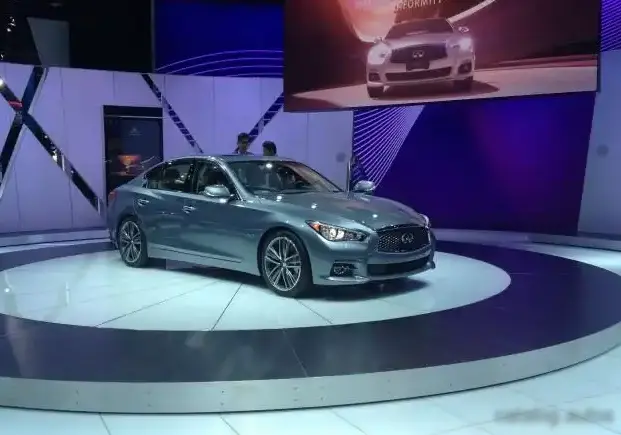
The Infiniti Q50 3.7 V6 Automatic, produced from 2014 to 2015, represented a significant step forward for Infiniti’s entry-level luxury sedan. Positioned as a mid-range offering within the broader Q50 lineup – which also included 2.5L four-cylinder and hybrid variants – the 3.7L V6 model aimed to deliver a compelling blend of performance, refinement, and technology. It was a key model in Infiniti’s attempt to establish a stronger foothold in the competitive sports sedan segment, directly challenging established players like the BMW 3 Series, Audi A4, and Lexus IS. The Q50, internally designated as the V37 platform, marked a departure from the G37 it replaced, introducing a new design language and a more sophisticated driving experience.
Technical Specifications
| Brand | Infiniti |
| Model | Q50 |
| Generation | Q50 |
| Type (Engine) | 3.7 V6 (328 Hp) Automatic |
| Start of production | 2014 |
| End of production | 2015 |
| Powertrain Architecture | Internal Combustion engine |
| Body type | Sedan |
| Seats | 5 |
| Doors | 4 |
| Fuel Type | Petrol (Gasoline) |
| Weight-to-power ratio | 4.9 kg/Hp, 202.3 Hp/tonne |
| Weight-to-torque ratio | 4.4 kg/Nm, 225.2 Nm/tonne |
| Power | 328 Hp @ 7000 rpm |
| Power per litre | 88.7 Hp/l |
| Torque | 365 Nm @ 5200 rpm, 269.21 lb.-ft. @ 5200 rpm |
| Engine layout | Front, Longitudinal |
| Engine Model/Code | VQ37VHR |
| Engine displacement | 3696 cm3, 225.54 cu. in. |
| Number of cylinders | 6 |
| Engine configuration | V-engine |
| Number of valves per cylinder | 4 |
| Fuel injection system | Direct injection |
| Engine aspiration | Naturally aspirated engine |
| Valvetrain | DOHC, CVTCS |
| Engine oil capacity | 4.9 l, 5.18 US qt | 4.31 UK qt |
| Coolant | 9.9 l, 10.46 US qt | 8.71 UK qt |
| Kerb Weight | 1621-1667 kg, 3573.69 – 3675.11 lbs |
| Fuel tank capacity | 76 l, 20.08 US gal | 16.72 UK gal |
| Length | 4783-4803 mm, 188.31 – 189.09 in |
| Width | 1824 mm, 71.81 in |
| Height | 1443 mm, 56.81 in |
| Wheelbase | 2850 mm, 112.2 in |
| Front track | 1519 mm, 59.8 in |
| Rear (Back) track | 1519-1529 mm, 59.8 – 60.2 in |
| Drag coefficient (Cd) | 0.26-0.27 |
| Drivetrain Architecture | The Internal combustion engine (ICE) drives the rear wheels of the vehicle |
| Drive wheel | Rear wheel drive |
| Number of gears and type of gearbox | 7 gears, automatic transmission ASC |
| Front suspension | Double wishbone |
| Rear suspension | Independent multi-link spring suspension with stabilizer |
| Front brakes | Ventilated discs, 320×28 mm |
| Rear brakes | Ventilated discs, 307×15 mm |
| Assisting systems | ABS (Anti-lock braking system) |
| Steering type | Steering rack and pinion |
| Power steering | Electric Steering |
| Tires size | 225/55 R17; 245/40 R19 |
| Wheel rims size | 7.5J x 17; 8.5J x 19 |
Powertrain & Engine Architecture
The heart of the Q50 3.7 was the VQ37VHR 3.7-liter V6 engine. This engine, a member of Nissan/Infiniti’s highly regarded VQ family, was known for its smooth power delivery and robust reliability. The “VHR” designation signified Variable Valve Timing and lift control, optimizing engine performance across the rev range. The engine featured a 60-degree V-angle, four valves per cylinder, and a direct fuel injection system. Direct injection improved fuel efficiency and reduced emissions while enhancing throttle response. The 3.7L V6 produced 328 horsepower at 7,000 rpm and 269 lb-ft of torque at 5,200 rpm. Paired with the engine was a seven-speed automatic transmission with Adaptive Shift Control (ASC). This transmission offered both manual shift mode and automatic operation, with the ASC system adjusting shift points based on driving conditions and driver input. The transmission was designed to provide smooth and responsive gear changes, complementing the engine’s power characteristics.
Driving Characteristics
The Q50 3.7 Automatic offered a noticeably more engaging driving experience than its 2.5L four-cylinder counterpart. While not as overtly sporty as some of its European rivals, the V6 provided ample power for confident acceleration and highway passing. The seven-speed automatic transmission, while generally smooth, could occasionally feel hesitant during quick downshifts. The rear-wheel-drive configuration contributed to a balanced feel, although traction could be a concern in inclement weather. Compared to a manual transmission equipped Q50, the automatic version sacrificed some driver involvement but offered greater convenience, particularly in urban driving. The gear ratios were tuned for a balance between acceleration and fuel economy, with a relatively tall final drive aimed at maximizing efficiency on the highway.
Equipment & Trim Levels
The Q50 3.7 Automatic was typically offered in well-equipped trims, often including features like leather upholstery, a touchscreen infotainment system, a rearview camera, and automatic climate control. Higher trims added features such as a premium audio system, navigation, heated and ventilated front seats, and advanced safety technologies like lane departure warning and blind-spot monitoring. Optional extras included a panoramic sunroof, upgraded wheels, and various appearance packages. Interior color options typically included black, gray, and wheat leather. The dashboard layout was modern and driver-focused, with a dual-screen display dominating the center console.
Chassis & Braking
The Q50 featured a double wishbone front suspension and an independent multi-link rear suspension, designed to provide a comfortable ride and responsive handling. Stabilizer bars were standard on both axles to reduce body roll during cornering. Braking duties were handled by ventilated disc brakes on all four wheels, providing ample stopping power. The front brakes measured 320x28mm, while the rear brakes were slightly smaller at 307x15mm. An Anti-lock Braking System (ABS) was standard, enhancing safety and control during emergency braking situations. Steering was provided by an electric power steering system, offering a light and precise feel.
Market Reception & Comparison
Critics generally praised the Q50 3.7 for its powerful engine, comfortable ride, and well-appointed interior. However, some reviewers noted that the steering lacked the feedback and precision of some European competitors. Fuel economy was considered average for the class, with EPA estimates around 19 mpg city and 27 mpg highway. Compared to the Q50 2.5L, the 3.7L offered a significant performance upgrade but at a higher price point. The Q50 3.7 also competed with the Lexus IS 350, which offered a similar blend of luxury and performance, and the BMW 335i, which provided a more engaging driving experience but at a higher cost.
Legacy
The Infiniti Q50 3.7 V6 Automatic has proven to be a relatively reliable vehicle, with the VQ37VHR engine known for its durability. Common maintenance items include regular oil changes, coolant flushes, and spark plug replacements. Some owners have reported issues with the infotainment system and the electric power steering system, but these are not widespread problems. On the used car market, the Q50 3.7 remains a popular choice for buyers seeking a stylish and powerful luxury sedan at a reasonable price. Its combination of performance, comfort, and features continues to make it a compelling option in its segment, and the VQ37VHR engine is still regarded as one of the best V6 engines of its era.