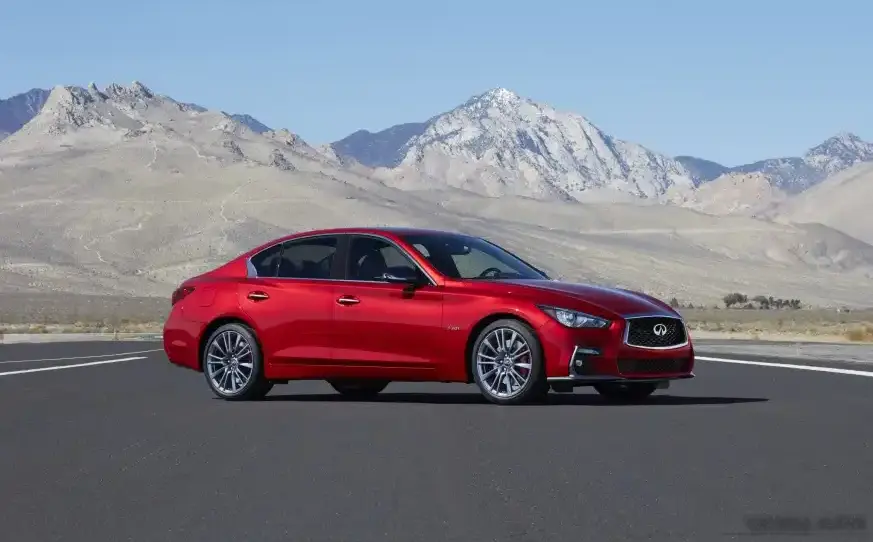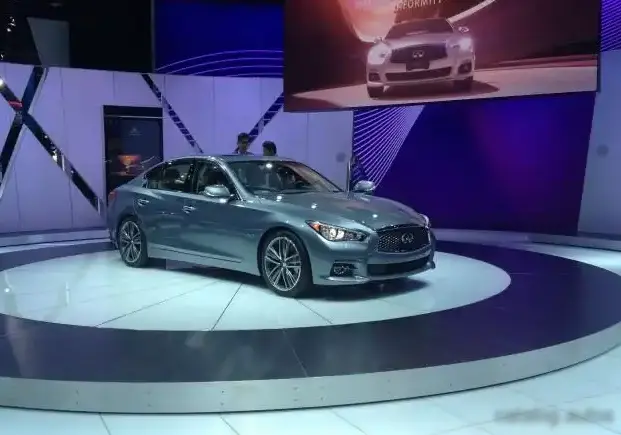
The Infiniti Q50 S 3.5 V6 Hybrid AWD Automatic, produced from 2013 to 2017, represented a significant step forward for Infiniti’s mid-size luxury sedan. Positioned as the performance-oriented variant within the Q50 lineup, it combined a potent 3.5-liter V6 engine with a hybrid electric motor, all-wheel drive, and a seven-speed automatic transmission. This configuration aimed to deliver both exhilarating performance and respectable fuel efficiency, appealing to buyers seeking a dynamic driving experience without sacrificing practicality. The Q50, replacing the G37, was Infiniti’s attempt to modernize its image and compete more effectively with established European rivals like BMW and Audi.
Technical Specifications
| Brand | Infiniti |
| Model | Q50 |
| Generation | Q50 |
| Type (Engine) | S 3.5 V6 (364 Hp) Hybrid AWD Automatic |
| Start of production | 2013 |
| End of production | 2017 |
| Powertrain Architecture | FHEV (Full Hybrid Electric Vehicle) |
| Body type | Sedan |
| Seats | 5 |
| Doors | 4 |
| Fuel consumption (urban) | 9.6 l/100 km (24.5 US mpg) |
| Fuel consumption (extra urban) | 5.3 l/100 km (44.4 US mpg) |
| Fuel consumption (combined) | 6.8 l/100 km (34.6 US mpg) |
| CO2 emissions | 159 g/km |
| Fuel Type | Petrol (Gasoline) |
| Acceleration 0 – 100 km/h | 5.4 sec |
| Acceleration 0 – 62 mph | 5.4 sec |
| Acceleration 0 – 60 mph | 5.1 sec |
| Maximum speed | 250 km/h (155.34 mph) |
| Weight-to-power ratio | 5.1 kg/Hp |
| Weight-to-torque ratio | 5.3 kg/Nm |
| Power | 364 Hp @ 6500 rpm |
| Torque | 350 Nm @ 5200 rpm (258.15 lb.-ft. @ 5200 rpm) |
| Engine layout | Front, Longitudinal |
| Engine Model/Code | VQ35HR |
| Engine displacement | 3498 cm3 (213.46 cu. in.) |
| Number of cylinders | 6 |
| Engine configuration | V-engine |
| Cylinder Bore | 95.5 mm (3.76 in.) |
| Piston Stroke | 81.4 mm (3.2 in.) |
| Compression ratio | 10:1 |
| Number of valves per cylinder | 4 |
| Fuel injection system | Direct injection |
| Engine oil capacity | 4.9 l (5.18 US qt | 4.31 UK qt) |
| Coolant | 10.3 l (10.88 US qt | 9.06 UK qt) |
| Kerb Weight | 1853 kg (4085.17 lbs.) |
| Trunk (boot) space – minimum | 510 l (18.01 cu. ft.) |
| Length | 4783 mm (188.31 in.) |
| Width | 1824 mm (71.81 in.) |
| Height | 1443 mm (56.81 in.) |
| Wheelbase | 2850 mm (112.2 in.) |
| Front track | 1519 mm (59.8 in.) |
| Rear (Back) track | 1529 mm (60.2 in.) |
| Drive wheel | All wheel drive (4×4) |
| Number of gears and type of gearbox | 7 gears, automatic transmission |
| Front suspension | Double wishbone |
| Rear suspension | Independent multi-link spring suspension with stabilizer |
| Front brakes | Ventilated discs |
| Rear brakes | Ventilated discs |
| Assisting systems | ABS (Anti-lock braking system) |
| Steering type | Steering rack and pinion |
| Power steering | Electric Steering |
| Tires size | 225/55 R17 |
| Wheel rims size | 17 |
Powertrain & Engine Architecture
At the heart of the Q50 S 3.5 Hybrid lies the VQ35HR 3.5-liter V6 engine. This engine, a staple of Nissan and Infiniti vehicles for years, is known for its smooth power delivery and reliability. The “HR” designation signifies “High Revolution,” indicating a focus on high-rpm performance. The VQ35HR utilizes direct fuel injection, continuously variable valve timing (CVTCS) on both intake and exhaust valves, and a forged crankshaft for enhanced durability. The hybrid system incorporates a compact electric motor and a 1.5 kWh lithium-ion battery pack. This system provides electric assist during acceleration, regenerative braking to recapture energy, and allows for short periods of electric-only driving at low speeds. The combined output of the V6 and electric motor is 364 horsepower. The seven-speed automatic transmission, sourced from Mercedes-Benz (7G-TRONIC), provides smooth and relatively quick shifts. It’s programmed for both comfort and performance, adapting to driving conditions.
Driving Characteristics
The Q50 S 3.5 Hybrid AWD delivers a noticeably more engaging driving experience than the standard Q50 models. The instant torque from the electric motor complements the V6’s power, resulting in brisk acceleration. The 0-60 mph time of around 5.1 seconds is competitive within the luxury sport sedan segment. The all-wheel-drive system provides excellent traction, particularly in inclement weather. While the transmission is generally smooth, some drivers have noted a slight hesitation during downshifts. The steering, while precise, can feel somewhat artificial due to the electronic power steering system. Compared to the Q50 3.7 models (which offered more raw power), the hybrid prioritizes efficiency and a more refined driving experience. The 1.8L and 2.0T models were positioned as more economical options, while the hybrid aimed for a balance between performance and fuel savings.
Equipment & Trim Levels
The Q50 S 3.5 Hybrid AWD typically came well-equipped with standard features such as leather upholstery, heated front seats, a dual-screen infotainment system, a rearview camera, and a premium audio system. Optional extras included a navigation system, advanced climate control, and a suite of driver-assistance technologies like lane departure warning, blind-spot monitoring, and adaptive cruise control. The “S” designation indicated a sportier trim level, often including unique exterior styling elements and interior accents. Interior color options typically included black, gray, and wheat leather.
Chassis & Braking
The Q50 S 3.5 Hybrid utilizes a double wishbone front suspension and an independent multi-link rear suspension, both designed to provide a comfortable ride and responsive handling. Stabilizer bars are fitted to both axles to reduce body roll during cornering. The braking system consists of ventilated discs on all four wheels, providing ample stopping power. The ABS (Anti-lock Braking System) and electronic brake-force distribution are standard features. The heavier hybrid components slightly increase the vehicle’s weight compared to non-hybrid Q50 models, but the all-wheel-drive system and well-tuned suspension help maintain a balanced feel.
Market Reception & Comparison
Critics generally praised the Q50 S 3.5 Hybrid for its performance, fuel efficiency, and luxurious interior. However, some reviewers found the infotainment system to be complex and distracting. Compared to its rivals, the Q50 Hybrid offered a compelling combination of features and value. The BMW 335i and Audi A4 offered similar performance but often came with a higher price tag. The Lexus ES 300h provided comparable fuel economy but lacked the Q50’s sporty driving dynamics. Reliability reports suggest that the Q50 Hybrid is generally reliable, although some owners have reported issues with the hybrid system’s battery pack over the long term.
Legacy
The Infiniti Q50 S 3.5 V6 Hybrid AWD Automatic represents an important step in Infiniti’s evolution. It demonstrated the brand’s commitment to incorporating advanced technology and offering a more engaging driving experience. While the Q50 has undergone several updates since its initial release, the hybrid powertrain remains a significant offering. On the used car market, these models hold their value reasonably well, particularly those in good condition with a well-maintained service history. The VQ35HR engine’s reputation for durability continues to make these Q50s an attractive option for buyers seeking a reliable and sporty luxury sedan.