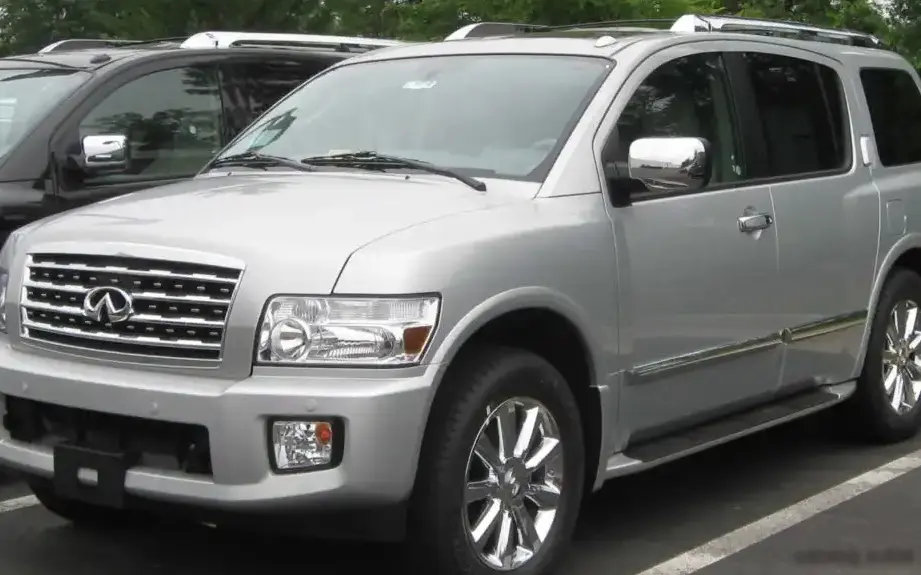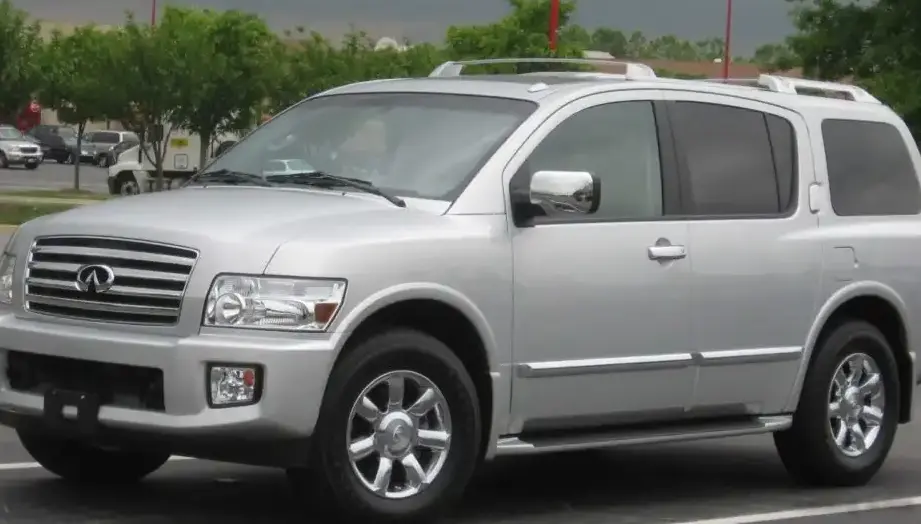
The Infiniti QX56, specifically the 5.6 V8 (313 Hp) Automatic variant produced between 2004 and 2007, represented Infiniti’s initial foray into the full-size luxury SUV segment. Built on the Nissan F-Alpha platform (shared with the Nissan Armada and Titan), the QX56 aimed to provide a blend of American-sized proportions, robust V8 power, and a more refined, luxury-oriented experience than its Nissan counterparts. This first-generation QX56 positioned itself as a competitor to established players like the Cadillac Escalade, Lincoln Navigator, and Lexus LX 470, offering a compelling alternative with a focus on value and a distinctive Japanese aesthetic. The 5.6L V8 with the 5-speed automatic transmission was the sole powertrain offered throughout its production run, making it the defining characteristic of this generation.
Technical Specifications
| Brand | Infiniti |
| Model | QX56 |
| Generation | QX56 |
| Type (Engine) | 5.6 V8 (313 Hp) Automatic |
| Start of production | 2004 year |
| End of production | 2007 year |
| Powertrain Architecture | Internal Combustion engine |
| Body type | SUV |
| Seats | 7-8 |
| Doors | 5 |
| Fuel Type | Petrol (Gasoline) |
| Emission standard | Euro 4 |
| Weight-to-power ratio | 7.8 kg/Hp, 128.8 Hp/tonne |
| Weight-to-torque ratio | 4.6 kg/Nm, 217.7 Nm/tonne |
| Power | 313 Hp @ 4900 rpm |
| Power per litre | 56.4 Hp/l |
| Torque | 529 Nm @ 3600 rpm, 390.17 lb.-ft. @ 3600 rpm |
| Engine layout | Front, Longitudinal |
| Engine Model/Code | VK56DE |
| Engine displacement | 5551 cm3, 338.74 cu. in. |
| Number of cylinders | 8 |
| Engine configuration | V-engine |
| Cylinder Bore | 98 mm, 3.86 in. |
| Piston Stroke | 92 mm, 3.62 in. |
| Compression ratio | 9.8:1 |
| Number of valves per cylinder | 4 |
| Fuel injection system | Multi-port manifold injection |
| Engine aspiration | Naturally aspirated engine |
| Valvetrain | DOHC |
| Engine oil capacity | 6.2 l, 6.55 US qt | 5.46 UK qt |
| Coolant | 14.4 l, 15.22 US qt | 12.67 UK qt |
| Kerb Weight | 2430 kg, 5357.23 lbs |
| Trunk (boot) space – minimum | 1733 l, 61.2 cu. ft |
| Fuel tank capacity | 106 l, 28 US gal | 23.32 UK gal |
| Length | 5250 mm, 206.69 in |
| Width | 2000 mm, 78.74 in |
| Height | 1970 mm, 77.56 in |
| Wheelbase | 3130 mm, 123.23 in |
| Front track | 1715 mm, 67.52 in |
| Rear (Back) track | 1715 mm, 67.52 in |
| Ride height (ground clearance) | 270 mm, 10.63 in |
| Drivetrain Architecture | The Internal combustion engine (ICE) drives the rear wheels of the vehicle. |
| Drive wheel | Rear wheel drive |
| Number of gears and type of gearbox | 5 gears, automatic transmission |
| Front suspension | Double wishbone |
| Rear suspension | Double wishbone |
| Front brakes | Ventilated discs |
| Rear brakes | Disc |
| Assisting systems | ABS (Anti-lock braking system) |
| Steering type | Steering rack and pinion |
| Tires size | 265/70 R18 |
| Wheel rims size | 8J x 18 |
Powertrain & Engine Architecture
The heart of the QX56 is the VK56DE 5.6-liter V8 engine. This engine, a member of Nissan’s VK engine family, is a naturally aspirated, 32-valve DOHC powerplant. It utilizes a cast iron block with aluminum cylinder heads, contributing to its robust nature. The VK56DE employs multi-port fuel injection and a relatively conservative 9.8:1 compression ratio. The engine’s design prioritized smooth power delivery and reliability over outright performance. The 5-speed automatic transmission, designated the RE5R05A, was the only transmission option. This transmission, while generally reliable, wasn’t known for its particularly quick shifts or fuel efficiency compared to more modern automatic gearboxes. It featured a traditional torque converter and was geared towards providing a comfortable driving experience rather than sporty responsiveness.
Driving Characteristics
The QX56 5.6L Automatic delivers a comfortable and capable driving experience, but it’s not a particularly agile vehicle. The 313 horsepower and 390 lb-ft of torque provide adequate acceleration for its size, but it doesn’t feel particularly quick. The automatic transmission contributes to a smooth, if somewhat leisurely, pace. Compared to potential upgrades like a hypothetical QX56 with a more modern 8-speed transmission, the 5-speed feels dated. The rear-wheel-drive configuration provides a more traditional SUV feel, and while capable in moderate off-road conditions, it’s primarily designed for on-road comfort and towing. The suspension is tuned for a plush ride, absorbing bumps effectively, but this comes at the expense of sharp handling.
Equipment & Trim Levels
The QX56 came reasonably well-equipped, even in its base form. Standard features included leather upholstery, tri-zone automatic climate control, a Bose audio system, power-adjustable front seats, and a rear air suspension system for a smoother ride. Higher trim levels added features like heated and cooled front seats, a navigation system, and upgraded interior trim. The QX56 was offered with a relatively limited number of options, focusing on convenience and luxury items like a rear-seat entertainment system and power-folding third-row seats. The interior design was generally considered upscale for its time, with a focus on woodgrain accents and a relatively straightforward layout.
Chassis & Braking
The QX56 utilizes a body-on-frame construction, which contributes to its robust feel and towing capacity. The front suspension consists of an independent double wishbone setup, while the rear features an independent double wishbone suspension with the aforementioned optional air suspension. Braking duties are handled by ventilated discs at all four corners, with ABS standard. The braking system is adequate for the vehicle’s weight, but it doesn’t inspire confidence during hard braking. The rear-wheel-drive layout and relatively high center of gravity contribute to a noticeable amount of body roll in corners.
Market Reception & Comparison
The QX56 was generally well-received by critics, who praised its spacious interior, comfortable ride, and strong V8 engine. However, it was also criticized for its fuel economy, dated transmission, and somewhat uninspired handling. Compared to the Cadillac Escalade and Lincoln Navigator, the QX56 offered a more competitive price point and a more refined driving experience. However, it lacked the brand cachet of its American rivals. Against the Lexus LX 470, the QX56 offered a more modern interior and a lower price, but it lacked the Lexus’s reputation for bulletproof reliability.
Legacy
The first-generation QX56 laid the foundation for Infiniti’s presence in the full-size luxury SUV segment. While the VK56DE engine proved to be generally reliable, the 5-speed automatic transmission is a potential weak point, and finding one that has been well-maintained is crucial. Today, the QX56 represents an affordable entry point into the luxury SUV market, offering a lot of space and comfort for the money. However, potential buyers should be aware of the vehicle’s age and potential maintenance needs. The QX56’s robust construction and readily available parts supply ensure that it will remain a viable option for those seeking a large, comfortable, and capable SUV for years to come.