
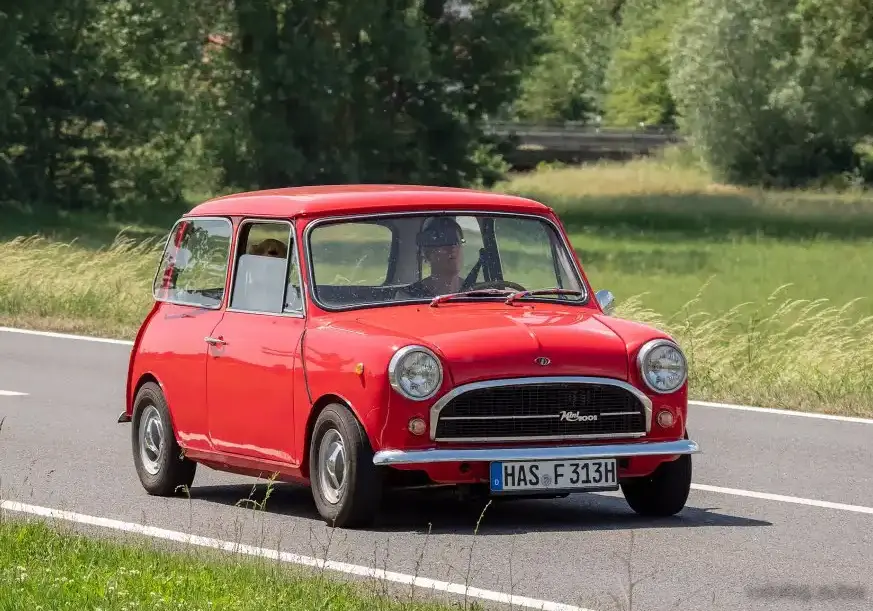
The Innocenti Mini 1.3 De Tomaso, produced between 1976 and 1982, represents a unique chapter in the history of the original British Mini. Born from a licensing agreement between British Leyland and the Italian firm Innocenti, this variant aimed to offer a slightly more refined and powerful Mini experience for the European market, particularly in Italy. While retaining the iconic Mini silhouette and front-wheel-drive layout, the De Tomaso trim level distinguished itself with a larger engine and subtle styling enhancements. It occupied a mid-range position within the Innocenti Mini lineup, bridging the gap between the base models and the more performance-oriented Cooper variants. This model is significant for being one of the last evolutions of the classic Mini before substantial redesigns in later years.
Technical Specifications
| Brand | Innocenti |
| Model | Mini |
| Generation | Mini |
| Type (Engine) | 1.3 De Tomaso (69 Hp) |
| Start of Production | 1976 |
| End of Production | 1982 |
| Powertrain Architecture | Internal Combustion Engine |
| Body Type | Hatchback |
| Fuel Type | Petrol (Gasoline) |
| Power | 69 Hp |
| Engine Aspiration | Naturally Aspirated |
Powertrain & Engine Architecture
The heart of the Innocenti Mini 1.3 De Tomaso is its 1275cc inline-four cylinder engine. This engine, derived from the British Leyland A-series block, was an upgrade from the smaller engines found in the standard Innocenti Mini models. While the displacement was increased, the 1.3-liter version produced 69 horsepower. The engine featured a single SU carburetor, a relatively simple fuel delivery system for the era, and a traditional overhead valve (OHV) valvetrain. The De Tomaso variant utilized a four-speed automatic transmission, a relatively uncommon option for the Mini, which was typically associated with manual gearboxes. This automatic transmission, while offering ease of use, did impact acceleration compared to the manual versions. The engine’s design prioritized reliability and ease of maintenance over outright performance, reflecting the Mini’s original ethos.
Driving Characteristics
The Innocenti Mini 1.3 De Tomaso with the automatic transmission offered a distinctly different driving experience compared to its manual counterparts or the more powerful Cooper models. The automatic gearbox, while convenient, resulted in noticeable power loss and slower acceleration. The gear ratios were optimized for fuel economy and smooth cruising rather than spirited driving. In real-world conditions, the De Tomaso felt adequate for city driving and short trips, but struggled when faced with steep hills or overtaking maneuvers. The steering remained characteristically light and responsive, a hallmark of the Mini, but the overall driving experience was more relaxed and less engaging than the manual versions. Compared to the Cooper, the De Tomaso lacked the punch and agility that made the Cooper a popular choice for enthusiasts.
Equipment & Trim Levels
The De Tomaso trim level represented a step up in terms of interior appointments compared to the base Innocenti Mini models. Standard features typically included upgraded upholstery, often featuring cloth or vinyl combinations, and a more refined dashboard layout. While not luxurious, the interior offered a degree of comfort and style that was absent in the more basic trims. Optional extras included a sunroof, upgraded sound system, and various exterior trim enhancements. The De Tomaso also featured distinctive badging, both externally and internally, to differentiate it from other Mini variants. The exterior styling was largely similar to other Innocenti Minis, but the De Tomaso often featured chrome trim and slightly more elaborate wheel covers.
Chassis & Braking
The Innocenti Mini 1.3 De Tomaso retained the classic Mini’s front-wheel-drive layout and independent suspension on all four wheels. This suspension system, utilizing rubber cones as primary springing elements, provided a surprisingly comfortable ride despite the car’s small size. However, the suspension was prone to wear and required regular maintenance. The braking system consisted of disc brakes on the front wheels and drum brakes on the rear. While adequate for the car’s weight and performance, the drum brakes on the rear were less effective than disc brakes, particularly in wet conditions. The De Tomaso did not typically feature a stabilizer bar, which contributed to its tendency to understeer in cornering.
Market Reception & Comparison
The Innocenti Mini 1.3 De Tomaso was generally well-received by critics as a comfortable and practical city car. However, the automatic transmission was often criticized for its sluggish performance and impact on fuel economy. Compared to the manual versions, the De Tomaso offered less driver engagement and a slower 0-60 mph time. Against the Cooper models, it lacked the performance and sporty handling that appealed to driving enthusiasts. However, the De Tomaso found a niche among buyers who prioritized convenience and ease of use over outright performance. Fuel economy was reasonable for the time, but not exceptional, averaging around 35-40 miles per gallon. Reliability was generally good, but the automatic transmission required more frequent servicing than the manual gearbox.
Legacy
The Innocenti Mini 1.3 De Tomaso represents a fascinating footnote in the history of the original Mini. While not as iconic as the Cooper or as widely produced as the base models, it offered a unique combination of style, comfort, and convenience. Today, the De Tomaso is a relatively rare and sought-after classic car, particularly among Mini enthusiasts. The 1275cc engine is known for its durability and relatively simple maintenance requirements. However, finding parts for the automatic transmission can be challenging. The car’s value in the used car market has been steadily increasing in recent years, reflecting the growing popularity of classic Minis. The De Tomaso serves as a reminder of the Mini’s versatility and its ability to adapt to different markets and customer preferences. Its enduring appeal lies in its charming design, nimble handling, and the sense of fun that it embodies.
