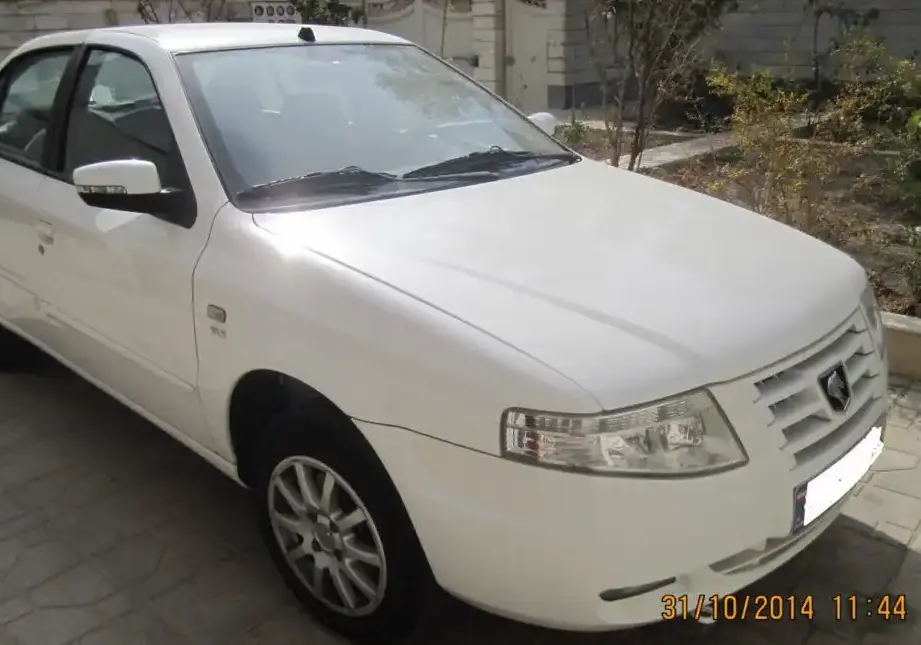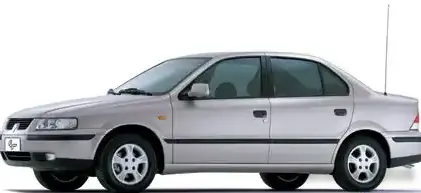
The Iran Khodro Samand 1.8 i (100 hp) was a popular sedan produced by the Iranian manufacturer Iran Khodro, beginning in 2003. Positioned as a mid-range offering within the Samand lineup, it aimed to provide a balance of affordability, practicality, and reasonable performance for the Iranian domestic market. The Samand itself was a significant undertaking for Iran Khodro, representing a national effort to develop an indigenous automotive platform, largely based on the Peugeot 405 but with substantial modifications and localized components. This variant, with its 1.8-liter engine and automatic transmission, catered to buyers prioritizing comfort and ease of driving over outright sportiness. It was a key model in establishing Iran Khodro as a major player in the regional automotive industry.
Technical Specifications
| Brand | Iran Khodro |
| Model | Samand |
| Generation | Samand |
| Type (Engine) | 1.8 i (100 Hp) |
| Start of production | 2003 |
| Powertrain Architecture | Internal Combustion engine |
| Body type | Sedan |
| Seats | 5 |
| Doors | 4 |
| Fuel consumption (urban) | 9.2 l/100 km (25.6 US mpg) |
| Fuel consumption (extra urban) | 6.5 l/100 km (36.2 US mpg) |
| Fuel consumption (combined) | 8.5 l/100 km (27.7 US mpg) |
| Fuel Type | Petrol (Gasoline) |
| Acceleration 0 – 100 km/h | 11.9 sec |
| Acceleration 0 – 62 mph | 11.9 sec |
| Acceleration 0 – 60 mph | 11.3 sec |
| Maximum speed | 185 km/h (114.95 mph) |
| Weight-to-power ratio | 12 kg/Hp |
| Weight-to-torque ratio | 7.8 kg/Nm |
| Power | 100 Hp @ 6000 rpm |
| Torque | 153 Nm @ 3000 rpm (112.85 lb.-ft. @ 3000 rpm) |
| Engine layout | Front, Transverse |
| Engine Model/Code | XU7 |
| Engine displacement | 1761 cm3 (107.46 cu. in.) |
| Number of cylinders | 4 |
| Engine configuration | Inline |
| Compression ratio | 9.3:1 |
| Number of valves per cylinder | 2 |
| Fuel injection system | Multi-port manifold injection |
| Engine aspiration | Naturally aspirated |
| Engine oil capacity | 4.75 l (5.02 US qt | 4.18 UK qt) |
| Coolant capacity | 6.6 l (6.97 US qt | 5.81 UK qt) |
| Kerb Weight | 1200 kg (2645.55 lbs) |
| Max. weight | 1610 kg (3549.44 lbs) |
| Max load | 410 kg (903.9 lbs) |
| Trunk (boot) space | 500 l (17.66 cu. ft.) |
| Fuel tank capacity | 70 l (18.49 US gal | 15.4 UK gal) |
| Length | 4410 mm (173.62 in) |
| Width | 1720 mm (67.72 in) |
| Height | 1460 mm (57.48 in) |
| Wheelbase | 2670 mm (105.12 in) |
| Front track | 1440 mm (56.69 in) |
| Rear track | 1450 mm (57.09 in) |
| Minimum turning circle | 11 m (36.09 ft) |
| Drivetrain | Front wheel drive |
| Number of gears | 5 gears, automatic transmission |
| Front suspension | Spring Strut |
| Rear suspension | Trailing arm |
| Front brakes | Ventilated discs |
| Rear brakes | Drum |
| Steering type | Steering rack and pinion |
| Tires size | 185/65 R15 |
| Wheel rims size | 6.5J X 15 |
Powertrain & Engine Architecture
The heart of the Samand 1.8 i was the XU7 engine, a 1761cc inline-four cylinder unit. This engine was originally developed by Peugeot and licensed to Iran Khodro. It featured a single overhead camshaft (SOHC) valvetrain with two valves per cylinder. The XU7 employed multi-port fuel injection, a relatively common system at the time, providing adequate fuel delivery for the engine’s output. The 100 horsepower output was achieved at 6000 rpm, with a peak torque of 153 Nm (112.85 lb-ft) delivered at 3000 rpm. Paired with this engine was a four-speed automatic transmission. While not known for its sophistication, this transmission provided a smoother driving experience than a manual gearbox, appealing to a broader range of drivers. The automatic transmission was a key differentiator for this trim level, as most Samands were equipped with a five-speed manual.
Driving Characteristics
The Samand 1.8 i Automatic offered a comfortable, if not particularly exhilarating, driving experience. The automatic transmission, while convenient, did impact acceleration compared to the manual versions. The 0-60 mph time of around 11.3 seconds reflects this. Power delivery was relatively linear, with adequate torque for everyday driving situations. The gear ratios were tuned for fuel efficiency and smooth cruising rather than rapid acceleration. Compared to the more powerful (though less common) 2.0-liter variants, the 1.8L felt noticeably less responsive, especially when overtaking or climbing hills. However, the automatic transmission made it a more forgiving and easier-to-drive option for urban commutes and long journeys.
Equipment & Trim Levels
The 1.8 i Automatic trim typically included features such as power steering, air conditioning, and basic audio system. Interior upholstery was generally cloth, with a relatively simple dashboard layout. Optional extras could include power windows, central locking, and upgraded audio systems. The trim level aimed for a balance between affordability and comfort, offering essential features without the added cost of more luxurious appointments found in higher-spec models. The focus was on providing a practical and reliable vehicle for family use.
Chassis & Braking
The Samand utilized a front-engine, front-wheel-drive layout. Suspension consisted of a MacPherson strut setup at the front and a trailing arm arrangement at the rear. Braking was comprised of ventilated discs on the front wheels and drum brakes on the rear. This configuration was typical for vehicles in its class and price range. The suspension provided a reasonably comfortable ride, absorbing bumps and imperfections in the road surface. The braking system, while adequate for normal driving conditions, lacked the stopping power of more advanced systems found in higher-end vehicles.
Market Reception & Comparison
The Samand 1.8 i Automatic was generally well-received in the Iranian market as a practical and affordable family sedan. Critics noted its comfortable ride and ease of driving, particularly with the automatic transmission. However, the engine’s performance was often criticized as being somewhat underpowered, especially when compared to imported vehicles. Fuel economy was considered reasonable for its class, averaging around 27.7 US mpg in combined driving conditions. Compared to the manual transmission versions of the Samand 1.8, the automatic offered less fuel efficiency and slightly slower acceleration, but a more relaxed driving experience. It competed primarily with locally produced vehicles and some imported models in the same price bracket.
Legacy
The Iran Khodro Samand 1.8 i Automatic, while no longer in production, remains a common sight on Iranian roads. The XU7 engine, despite its age, is known for its relative reliability and ease of maintenance, provided it receives regular servicing. Parts availability is generally good within Iran. In the used car market, this variant is often sought after by buyers looking for an affordable and dependable family car. While it may not offer the performance or features of more modern vehicles, its simplicity and robustness continue to make it a popular choice for many Iranian drivers. The Samand, as a whole, played a crucial role in the development of Iran’s domestic automotive industry, and the 1.8 i Automatic variant represents a significant chapter in that story.