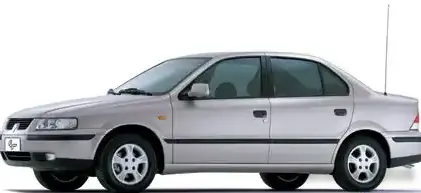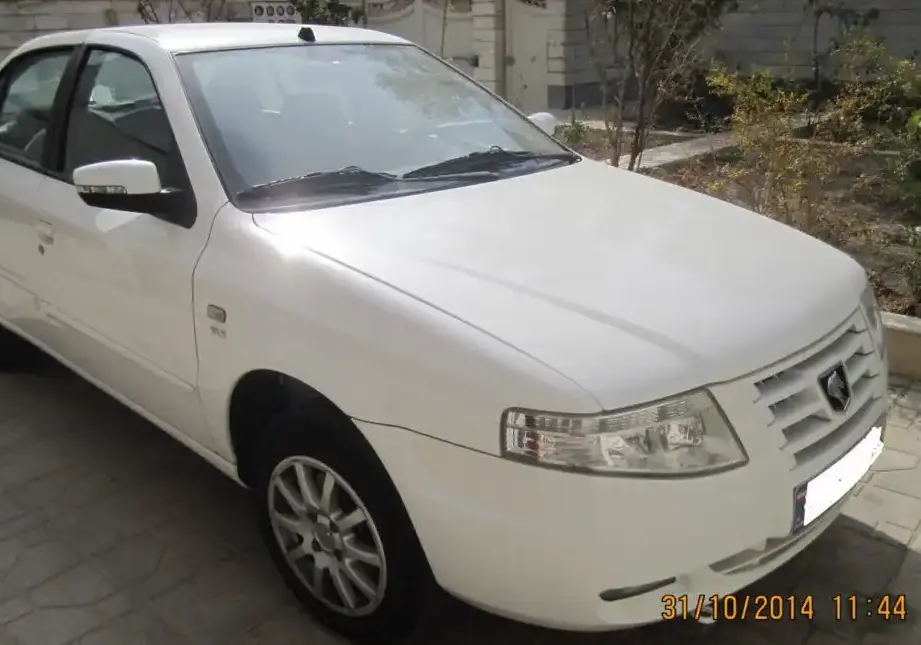
The Iran Khodro Soren 1.6 16V, produced from 2007 onwards, represents a significant step in Iran Khodro’s domestic automotive development. Based heavily on the Peugeot 405, the Soren aimed to offer a more modern and locally-produced alternative to imported vehicles in the Iranian market. This 1.6-liter, 16-valve variant occupied a central position in the Soren lineup, offering a balance between affordability, fuel economy, and acceptable performance for everyday driving. It was designed to appeal to a broad segment of the Iranian population seeking a reliable and spacious family sedan.
Technical Specifications
| Brand | Iran Khodro |
| Model | Soren |
| Generation | Soren |
| Type (Engine) | 1.6 16V (110 Hp) |
| Start of production | 2007 |
| Powertrain Architecture | Internal Combustion engine |
| Body type | Sedan |
| Seats | 5 |
| Doors | 4 |
| Fuel Type | Petrol (Gasoline) |
| Power | 110 Hp @ 6500 rpm |
| Power per litre | 70.5 Hp/l |
| Torque | 153 Nm @ 3000 rpm / 112.85 lb.-ft. @ 3000 rpm |
| Engine layout | Front, Transverse |
| Engine Model/Code | EF7 |
| Engine displacement | 1561 cm3 / 95.26 cu. in. |
| Number of cylinders | 4 |
| Engine configuration | Inline |
| Compression ratio | 9.3:1 |
| Number of valves per cylinder | 4 |
| Fuel injection system | Multi-port manifold injection |
| Engine aspiration | Naturally aspirated engine |
| Engine oil capacity | 5.2 l / 5.49 US qt | 4.58 UK qt |
| Coolant | 6.6 l / 6.97 US qt | 5.81 UK qt |
| Length | 4527 mm / 178.23 in. |
| Width | 1720 mm / 67.72 in. |
| Height | 1460 mm / 57.48 in. |
| Drivetrain Architecture | The Internal combustion engine (ICE) drives the front wheels of the vehicle. |
| Drive wheel | Front wheel drive |
| Number of gears and type of gearbox | 5 gears, manual transmission |
Powertrain & Engine Architecture
The Iran Khodro Soren 1.6 16V is powered by the EF7 engine, a 1.6-liter inline-four cylinder gasoline engine. This engine is a locally-developed unit, though it draws heavily on Peugeot designs from the XU series. The 16-valve configuration, with dual overhead camshafts (DOHC), allows for improved breathing and higher engine speeds compared to older 8-valve designs. The EF7 utilizes a multi-port fuel injection system, delivering fuel directly to each intake port for optimized combustion. The engine’s 9.3:1 compression ratio represents a compromise between performance and the quality of available fuel in the Iranian market. The engine is transversely mounted at the front of the vehicle, driving the front wheels. The five-speed manual transmission is a standard component, providing a relatively direct connection between the engine and the wheels. While an automatic transmission was offered on other Soren variants, it wasn’t available with the 1.6L engine.
Driving Characteristics
The Soren 1.6 16V offers modest performance, geared towards practicality rather than outright speed. With 110 horsepower and 153 Nm (113 lb-ft) of torque, acceleration is adequate for city driving and highway cruising, but it won’t provide a particularly exhilarating experience. The five-speed manual transmission allows drivers to keep the engine in its optimal power band, but the relatively long gearing emphasizes fuel economy over rapid acceleration. Compared to the later Soren ELX models with larger engines, the 1.6L feels noticeably less powerful, especially when fully loaded with passengers and cargo. The suspension is tuned for comfort, providing a relatively soft ride, but this can also result in some body roll during cornering. The steering is light and easy to use, making it well-suited for urban environments.
Equipment & Trim Levels
The Soren 1.6 16V typically served as the entry-level trim in the Soren range. Standard equipment generally included basic features such as power steering, air conditioning, and cloth upholstery. The dashboard layout is functional but somewhat dated, reflecting the Soren’s origins in the Peugeot 405 design. Optional extras, depending on the year and specific package, could include power windows, central locking, and a basic audio system. The interior materials were generally of acceptable quality for the price point, but lacked the refinement of more expensive vehicles. Safety features were relatively basic, typically including only front disc brakes and rear drum brakes, and lacking features like airbags or ABS in earlier models.
Chassis & Braking
The Soren’s chassis is based on the Peugeot 405 platform, utilizing a MacPherson strut front suspension and a twist-beam rear suspension. This setup provides a reasonable balance between ride comfort and handling. The front brakes are ventilated discs, while the rear brakes are drums. This configuration was common for vehicles in this price range at the time, but it limited braking performance compared to vehicles with four-wheel disc brakes. Stabilizer bars were included at both the front and rear to reduce body roll, but their effectiveness was limited by the relatively soft suspension tuning. The tires were typically of a modest size, prioritizing fuel economy and ride comfort over grip.
Market Reception & Comparison
The Iran Khodro Soren 1.6 16V was generally well-received in the Iranian market as an affordable and reliable family sedan. Critics praised its spacious interior, comfortable ride, and relatively low running costs. However, it was also criticized for its dated design, modest performance, and basic safety features. Compared to other trims in the Soren lineup, such as the ELX with its larger engine and more luxurious features, the 1.6L offered a more economical option for budget-conscious buyers. Fuel economy was a key selling point, particularly in a market where gasoline prices were subsidized. Reliability was generally good, although maintenance could be challenging due to the limited availability of spare parts outside of Iran.
Legacy
The Iran Khodro Soren 1.6 16V remains a common sight on Iranian roads today. The EF7 engine has proven to be relatively durable and reliable, although regular maintenance is essential. In the used car market, the Soren 1.6 16V is valued for its affordability and practicality. While it may not offer the performance or features of more modern vehicles, it remains a viable option for those seeking a basic and reliable means of transportation. The Soren, and particularly this 1.6L variant, played a crucial role in Iran Khodro’s efforts to establish a domestic automotive industry and reduce reliance on imported vehicles. It represents a significant chapter in the history of Iranian automotive manufacturing.