
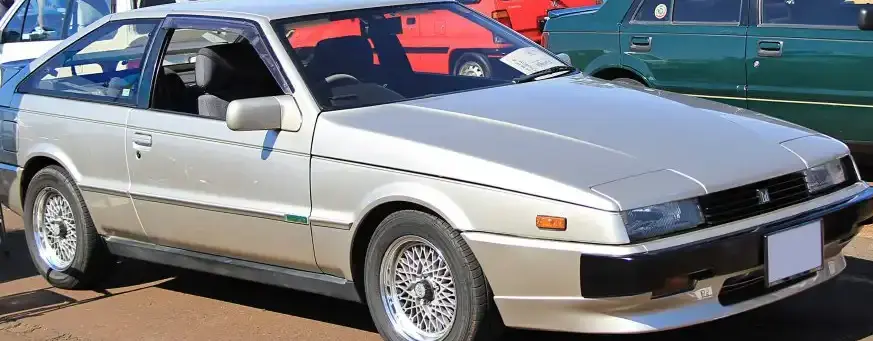
The Isuzu Piazza 2.0 Turbo, produced between 1980 and 1990, represents a distinctive and often overlooked entry in the sports coupe market of the 1980s. Positioned as Isuzu’s flagship coupe, the Piazza aimed to offer a blend of Italian styling (penned by Giorgetto Giugiaro at ItalDesign) and Japanese reliability. The 2.0 Turbo variant, producing 141 horsepower, was the performance-oriented trim, sitting at the top of the Piazza lineup and appealing to buyers seeking a more engaging driving experience than the base models offered. While not a high-volume seller, the Piazza established Isuzu as a manufacturer capable of producing stylish and technically interesting automobiles, particularly within the North American market where it was sold through Buick dealerships.
Technical Specifications
| Brand | Isuzu |
| Model | Piazza |
| Generation | Piazza |
| Type (Engine) | 2.0 Turbo (141 Hp) |
| Start of Production | 1980 |
| End of Production | 1990 |
| Powertrain Architecture | Internal Combustion Engine |
| Body Type | Coupe |
| Fuel Type | Petrol (Gasoline) |
| Power | 141 Hp |
| Engine Aspiration | Turbocharger |
| Drivetrain | Rear Wheel Drive |
Powertrain & Engine Architecture
The heart of the Piazza 2.0 Turbo is the 4ZE1 engine, a 1994cc inline-four cylinder powerplant. This engine is notable for its single overhead camshaft (SOHC) configuration and, crucially, a Garrett T25 turbocharger. The turbocharger significantly boosted power output compared to the naturally aspirated versions of the 2.0-liter engine. Fuel delivery was managed by Bosch electronic fuel injection (EFI), a relatively advanced system for its time, contributing to improved efficiency and responsiveness. The 4ZE1 engine featured a cast iron block and an aluminum cylinder head, a common construction for durability and weight reduction. The engine’s compression ratio was 7.8:1, optimized for use with the turbocharger and available fuel grades of the era. The engine was paired with a four-speed automatic transmission, although a five-speed manual transmission was also offered, catering to drivers who preferred more control. The automatic transmission, while providing convenience, was sometimes criticized for slightly diminishing the engine’s performance potential.
Driving Characteristics
The Piazza 2.0 Turbo offered a noticeably more spirited driving experience than its naturally aspirated counterparts. The turbocharger provided a significant boost in torque, making the car feel quicker both in everyday driving and during acceleration. While 141 horsepower might seem modest by modern standards, it was a respectable figure for a rear-wheel-drive coupe in the 1980s. The turbocharger did introduce a degree of turbo lag, meaning there was a slight delay between pressing the accelerator and feeling the full power delivery. However, once the turbo spooled up, the acceleration was brisk. The rear-wheel-drive configuration contributed to a balanced feel, although the car wasn’t without its handling quirks. The automatic transmission, while smooth, didn’t allow for the same level of control as the manual option. Gear ratios were tuned for a balance between acceleration and fuel economy, prioritizing usability over outright performance. The suspension, while comfortable, wasn’t particularly sporty, resulting in some body roll during aggressive cornering.
Equipment & Trim Levels
The Piazza 2.0 Turbo was generally well-equipped for its price point. Standard features typically included power windows, power locks, and air conditioning. The interior featured cloth upholstery, although leather was available as an option. The dashboard layout was relatively straightforward, with clearly marked gauges and controls. A key feature was the digital instrument cluster, a futuristic touch for the time. Optional extras included a premium sound system, sunroof, and upgraded wheels. The Piazza aimed for a comfortable and refined interior, although the materials weren’t necessarily luxurious. The overall design aesthetic was distinctly 1980s, with angular lines and a focus on functionality. The trim level was generally consistent, with the 2.0 Turbo representing the highest specification available.
Chassis & Braking
The Isuzu Piazza utilized a relatively conventional chassis design for a rear-wheel-drive coupe. It featured an independent front suspension with MacPherson struts and a solid rear axle with coil springs. The suspension was tuned for a balance between comfort and handling, prioritizing ride quality over outright sportiness. Braking duties were handled by disc brakes on the front wheels and drum brakes on the rear wheels. While adequate for normal driving, the rear drum brakes were a point of criticism, as they didn’t offer the same stopping power as disc brakes. The car’s weight distribution was reasonably balanced, contributing to its handling characteristics. Stabilizer bars were fitted to both the front and rear axles to reduce body roll during cornering. The steering was power-assisted, making it relatively easy to maneuver at low speeds.
Market Reception & Comparison
The Isuzu Piazza 2.0 Turbo received mixed reviews from automotive critics. It was generally praised for its styling, turbocharged engine, and relatively affordable price. However, it was also criticized for its turbo lag, somewhat unrefined handling, and the use of rear drum brakes. Compared to other coupes of the era, such as the Toyota Celica Supra or the Nissan 280ZX, the Piazza offered a more unique and arguably more stylish alternative. However, it lacked the outright performance and refinement of those more established competitors. The Piazza’s fuel economy was reasonable for a turbocharged vehicle, but not exceptional. Reliability was generally good, although the turbocharger did add a potential point of failure. The Piazza appealed to buyers who wanted a distinctive and sporty coupe without breaking the bank.
Legacy
The Isuzu Piazza, particularly the 2.0 Turbo variant, has developed a cult following among enthusiasts. Its unique styling and turbocharged engine have made it a desirable classic car. The 4ZE1 engine, while not without its quirks, is generally considered to be a durable and reliable powerplant. Parts availability can be a challenge, as the Piazza is no longer in production. However, a dedicated community of owners and enthusiasts has emerged, providing support and resources for maintaining and restoring these vehicles. In the used car market today, Piazza 2.0 Turbos in good condition can command a premium price, reflecting their rarity and growing popularity. The Piazza represents a fascinating chapter in Isuzu’s history, showcasing the company’s willingness to experiment with styling and technology. It remains a distinctive and memorable sports coupe from the 1980s.
