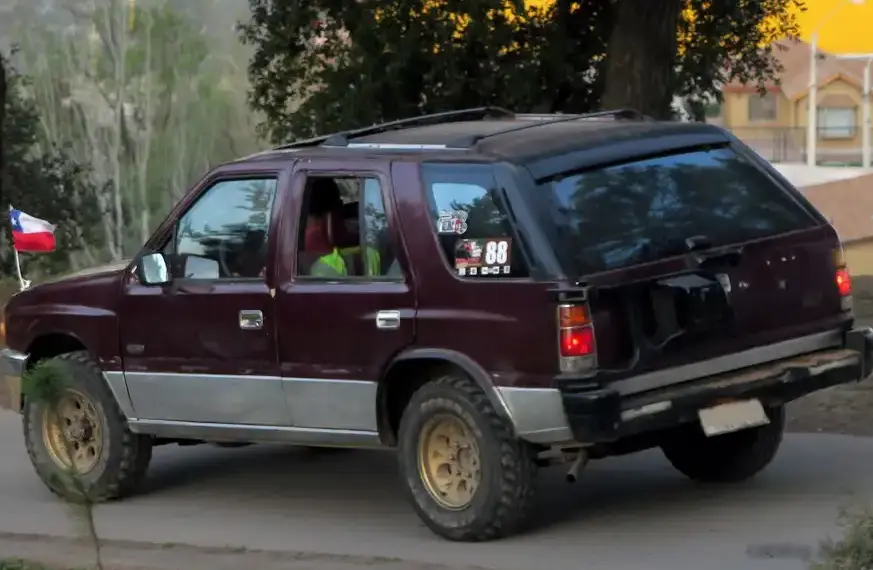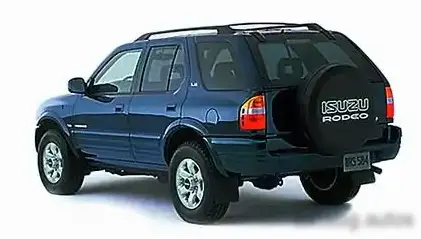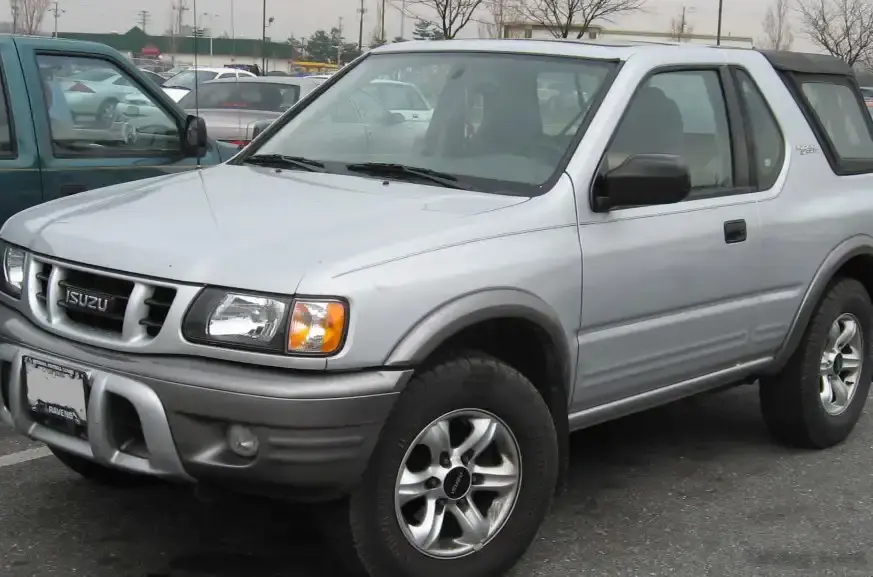
The Isuzu Rodeo Sport Cabrio (UTS-145) 2.2 i 16V 2WD, produced between 1998 and 2004, represents a unique offering within the broader Isuzu Rodeo lineup. This variant, characterized by its open-top convertible design and rear-wheel drive configuration, was primarily marketed in Europe and other regions outside of North America where demand for such vehicles existed. It occupied a niche position, blending the practicality of a compact SUV with the recreational appeal of a cabriolet. The UTS-145 designation refers to the specific chassis code and engine configuration of this model.
Technical Specifications
| Brand | Isuzu |
| Model | Rodeo |
| Generation | Rodeo Sport Cabrio (UTS-145) |
| Type (Engine) | 2.2 i 16V 2WD (131 Hp) |
| Start of production | 1998 |
| End of production | 2004 |
| Powertrain Architecture | Internal Combustion engine |
| Body type | SUV |
| Seats | 5 |
| Doors | 3 |
| Fuel consumption (urban) | 12.4 l/100 km (19 US mpg, 22.8 UK mpg) |
| Fuel consumption (extra urban) | 10.2 l/100 km (23.1 US mpg, 27.7 UK mpg) |
| Fuel Type | Petrol (Gasoline) |
| Weight-to-power ratio | 11.8 kg/Hp |
| Power | 131 Hp @ 5200 rpm |
| Torque | 195 Nm @ 4000 rpm (143.82 lb.-ft. @ 4000 rpm) |
| Engine layout | Front, Longitudinal |
| Engine displacement | 2198 cm3 (134.13 cu. in.) |
| Number of cylinders | 4 |
| Engine configuration | Inline |
| Cylinder Bore | 86 mm (3.39 in.) |
| Piston Stroke | 94.6 mm (3.72 in.) |
| Compression ratio | 9.6:1 |
| Number of valves per cylinder | 2 |
| Fuel injection system | Multi-port manifold injection |
| Engine aspiration | Naturally aspirated |
| Engine oil capacity | 4.5 l (4.76 US qt | 3.96 UK qt) |
| Coolant capacity | 6.9 l (7.29 US qt | 6.07 UK qt) |
| Kerb Weight | 1545 kg (3406.14 lbs.) |
| Max. weight | 2110 kg (4651.75 lbs.) |
| Max load | 565 kg (1245.61 lbs.) |
| Trunk (boot) space – minimum | 595 l (21.01 cu. ft.) |
| Fuel tank capacity | 67 l (17.7 US gal | 14.74 UK gal) |
| Length | 4267 mm (167.99 in.) |
| Width | 1814 mm (71.42 in.) |
| Height | 1702 mm (67.01 in.) |
| Wheelbase | 2462 mm (96.93 in.) |
| Front track | 1514 mm (59.61 in.) |
| Rear track | 1519 mm (59.8 in.) |
| Drivetrain Architecture | Rear wheel drive |
| Number of gears | 5 |
| Gearbox type | Manual transmission |
| Front suspension | Coil spring |
| Rear suspension | Coil spring |
| Front brakes | Ventilated discs |
| Rear brakes | Disc |
| Assisting systems | ABS (Anti-lock braking system) |
| Power steering | Hydraulic |
| Tires size | 235/75 R15 |
Powertrain & Engine Architecture
The Rodeo Sport Cabrio 2.2 i 16V utilizes Isuzu’s 4ZE1 engine, a 2.2-liter inline four-cylinder gasoline engine. This engine, part of the 4ZE family, features a single overhead camshaft (SOHC) design with four valves per cylinder. The 16V designation refers to the total number of valves. Fuel delivery is managed by a multi-port fuel injection system, providing a balance between efficiency and performance. The engine produces 131 horsepower at 5200 rpm and 195 Nm (143.82 lb-ft) of torque at 4000 rpm. The engine is longitudinally mounted in the front of the vehicle, driving the rear wheels. The 5-speed manual transmission was the standard offering for this variant, providing drivers with a direct connection to the engine’s power. The transmission’s gear ratios were tuned for a blend of everyday drivability and reasonable acceleration.
Driving Characteristics
The 2.2-liter engine, coupled with the 5-speed manual transmission, provided adequate, though not exhilarating, performance. Acceleration was modest, with a focus on fuel economy rather than outright speed. The rear-wheel drive configuration offered a more engaging driving experience compared to all-wheel drive variants, particularly on dry pavement. However, it also meant reduced traction in slippery conditions. The manual transmission allowed for greater driver control, but the engine’s relatively low torque output meant frequent gear changes were necessary, especially when climbing hills or overtaking. Compared to potential higher-output engines (which weren’t typically offered in the Cabriolet), this 2.2L provided a more economical and accessible entry point into the Rodeo Sport Cabrio range.
Equipment & Trim Levels
The Rodeo Sport Cabrio 2.2 i 16V typically came with a relatively basic level of equipment, reflecting its position as an entry-level offering. Standard features generally included power steering, ABS brakes, and a basic audio system. The interior featured cloth upholstery and a functional, if somewhat spartan, dashboard layout. The convertible top was manually operated, adding to the vehicle’s simplicity. Optional extras could include alloy wheels, upgraded audio systems, and power windows. The trim level was often simply designated as the “Cabrio” or “Sport Cabrio” with the engine size specified.
Chassis & Braking
The Rodeo Sport Cabrio utilized a body-on-frame construction, typical of SUVs of that era. The suspension consisted of coil springs at both the front and rear, providing a comfortable ride on most road surfaces. Front brakes were ventilated discs, offering good stopping power, while rear brakes were solid discs. The rear-wheel drive configuration necessitated a robust rear axle to handle the power delivery. Stabilizer bars were included at both the front and rear to reduce body roll during cornering. The tires were typically 235/75 R15, providing a good balance between grip and ride comfort.
Market Reception & Comparison
The Isuzu Rodeo Sport Cabrio was a niche vehicle, and its reception varied depending on the market. Critics generally praised its unique styling and open-air driving experience, but noted its modest performance and relatively basic interior. Compared to other compact SUVs of the time, the Rodeo Sport Cabrio offered a more distinctive and recreational alternative. Fuel economy was reasonable for a vehicle of its type, but not exceptional. Reliability was generally good, although the convertible top mechanism could be prone to wear and tear over time. Compared to other Rodeo trims, the 2.2L manual offered the most affordable entry point, appealing to buyers prioritizing style and open-air enjoyment over outright performance.
Legacy
The Isuzu Rodeo Sport Cabrio 2.2 i 16V has become a relatively sought-after vehicle among enthusiasts, particularly those looking for a unique and affordable convertible SUV. The 4ZE1 engine is known for its durability, although regular maintenance is essential to prevent issues. Parts availability can be a challenge, as the vehicle is no longer in production. However, a dedicated community of owners and enthusiasts exists, providing support and resources for maintaining these vehicles. Today, well-maintained examples of the Rodeo Sport Cabrio 2.2 i 16V are increasingly valued as a quirky and enjoyable classic.