
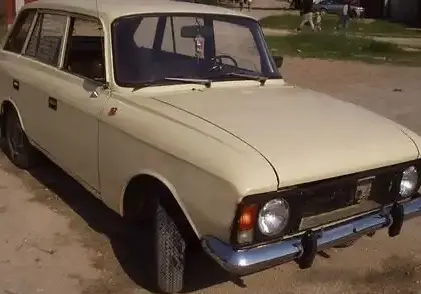
The Izh 2125, produced between 1973 and 1997, represents a significant evolution in Soviet automotive design. As a five-door hatchback, it was intended to modernize the offerings of the Izhevsk Automobile Plant (IzhAvto), offering a more practical and contemporary alternative to the aging Izh 1200 and 1300 series. The 1.5-liter, 70 horsepower variant was a mainstay of the 2125 lineup throughout much of its production run, serving as the entry-level model and appealing to a broad segment of the Soviet consumer market. It was built upon a modified version of the Izh 1300 platform, incorporating changes to the bodywork and interior to create a more spacious and functional vehicle. The 2125 aimed to address the growing demand for family cars with increased cargo capacity and improved comfort, though it remained firmly rooted in the technological constraints of the era.
Technical Specifications
| Brand | Izh |
| Model | 2125 |
| Generation | 2125 |
| Type (Engine) | 1.5 (70 Hp) |
| Start of production | 1973 |
| End of production | 1997 |
| Powertrain Architecture | Internal Combustion engine |
| Body type | Hatchback |
| Seats | 5 |
| Doors | 5 |
| Fuel Type | Petrol (Gasoline) |
| Acceleration 0 – 100 km/h | 19 sec |
| Acceleration 0 – 62 mph | 19 sec |
| Acceleration 0 – 60 mph | 18.1 sec |
| Maximum speed | 140 km/h (86.99 mph) |
| Weight-to-power ratio | 14.9 kg/Hp, 67.3 Hp/tonne |
| Weight-to-torque ratio | 10.1 kg/Nm, 99 Nm/tonne |
| Power | 70 Hp @ 5800 rpm |
| Power per litre | 47.4 Hp/l |
| Torque | 103 Nm @ 3400 rpm (75.97 lb.-ft. @ 3400 rpm) |
| Engine layout | Front, Longitudinal |
| Engine displacement | 1478 cm3 (90.19 cu. in.) |
| Number of cylinders | 4 |
| Engine configuration | Inline |
| Cylinder Bore | 82 mm (3.23 in.) |
| Piston Stroke | 70 mm (2.76 in.) |
| Compression ratio | 8.8:1 |
| Number of valves per cylinder | 2 |
| Fuel injection system | Carburettor |
| Engine aspiration | Naturally aspirated engine |
| Kerb Weight | 1040 kg (2292.81 lbs.) |
| Max. weight | 1440 kg (3174.66 lbs.) |
| Max load | 400 kg (881.85 lbs.) |
| Fuel tank capacity | 46 l (12.15 US gal | 10.12 UK gal) |
| Length | 4205 mm (165.55 in.) |
| Width | 1555 mm (61.22 in.) |
| Height | 1500 mm (59.06 in.) |
| Wheelbase | 2400 mm (94.49 in.) |
| Drivetrain Architecture | The Internal combustion engine (ICE) drives the rear wheels of the vehicle. |
| Drive wheel | Rear wheel drive |
| Front brakes | Drum |
| Rear brakes | Drum |
Powertrain & Engine Architecture
The Izh 2125 1.5-liter engine, typically designated as a variation of the UMZ-412 series, was a four-cylinder, inline engine with a displacement of 1478 cubic centimeters. It featured a cast iron block and cylinder head, with a two-valve per cylinder configuration. The engine utilized a single, down-draft carburetor for fuel delivery, a common practice for Soviet-era vehicles. This carburetor system, while simple and relatively reliable, contributed to less-than-optimal fuel efficiency and emissions compared to contemporary fuel injection systems. The engine produced 70 horsepower at 5800 rpm and 103 Nm (75.97 lb-ft) of torque at 3400 rpm. The engine was mounted longitudinally in the front of the vehicle, driving the rear wheels. The transmission was a four-speed manual or a three-speed automatic, the latter being relatively uncommon. The automatic transmission was a simple hydraulic design, known for its robustness but also for its relatively slow and imprecise shifting.
Driving Characteristics
The Izh 2125 1.5 with the automatic transmission offered a comfortable, albeit slow, driving experience. Acceleration was leisurely, taking approximately 19 seconds to reach 100 km/h (62 mph). The automatic transmission, while providing convenience, significantly hampered performance compared to the manual versions. Gear ratios were widely spaced, prioritizing fuel economy over spirited driving. The rear-wheel-drive layout provided predictable handling, but the car was prone to understeer when pushed hard. The suspension, consisting of independent front suspension with wishbones and a live axle with leaf springs in the rear, offered a reasonably comfortable ride on smooth roads, but could become harsh on uneven surfaces. The overall driving experience was best described as utilitarian, prioritizing practicality and affordability over performance and refinement.
Equipment & Trim Levels
The Izh 2125 1.5, particularly in its base automatic configuration, was relatively sparsely equipped. Standard features typically included basic cloth upholstery, a simple dashboard with analog gauges, and manually operated windows and door locks. A two-spoke steering wheel and basic heating system were also standard. Optional extras, depending on availability and regional variations, could include a radio, upgraded upholstery, and a sunroof. The trim level was largely defined by the availability of these optional features. The automatic transmission itself was often considered a step up in trim, appealing to drivers who prioritized convenience over cost. Interior plastics were durable but lacked the aesthetic appeal of Western European or Japanese cars.
Chassis & Braking
The Izh 2125 utilized a body-on-frame construction, a design common in Soviet automobiles of the period. The chassis was relatively simple, prioritizing durability and ease of repair. The front suspension featured independent wishbones with coil springs and shock absorbers, while the rear suspension employed a live axle with leaf springs. Braking was accomplished via drum brakes on all four wheels, which provided adequate stopping power for the car’s weight and performance but lacked the responsiveness of disc brakes. Steering was a recirculating ball system, offering a relatively heavy but precise feel. Stabilizer bars were not typically fitted to the base 1.5-liter models, contributing to a noticeable degree of body roll during cornering.
Market Reception & Comparison
The Izh 2125 1.5 Automatic was generally viewed as a practical and affordable family car within the Soviet Union and its satellite states. Critics acknowledged its improved spaciousness and practicality compared to earlier Izh models, but also noted its lack of refinement and relatively poor performance. Compared to the more powerful Izh 2125 variants with larger engines, the 1.5-liter automatic was significantly slower and less engaging to drive. However, it offered better fuel economy and lower maintenance costs. Compared to imported vehicles, the Izh 2125 was significantly more affordable, making it accessible to a wider range of consumers. Its reliability was generally considered good, although the carburetor system required periodic adjustment and maintenance.
Legacy
The Izh 2125, including the 1.5-liter automatic variant, remains a relatively common sight on the roads of Russia and other former Soviet republics. The powertrain, while simple, proved to be remarkably durable, and many examples are still in running condition today. The car has gained a cult following among enthusiasts of Soviet-era automobiles, who appreciate its unique design and historical significance. In the used car market, the 1.5-liter automatic models are typically the most affordable, appealing to buyers seeking a classic car experience without the expense of more powerful or rare variants. Parts availability can be challenging, but a network of dedicated enthusiasts and suppliers continues to support the preservation of these vehicles.
