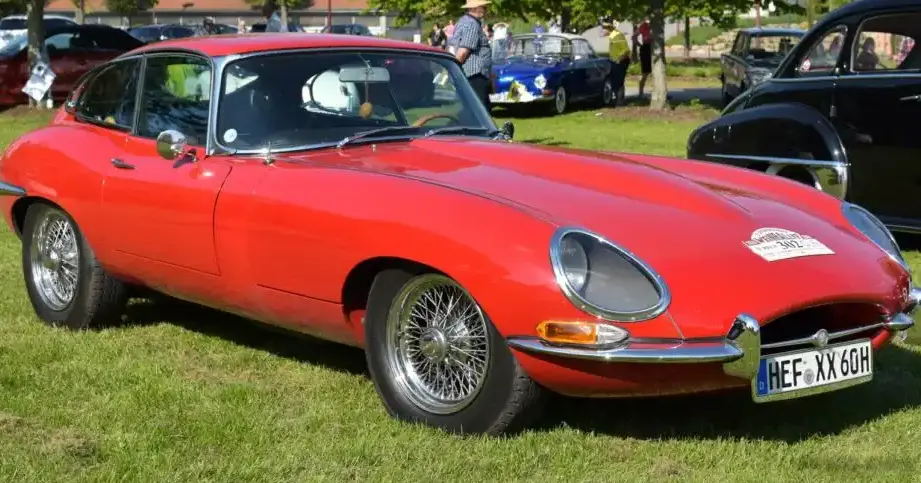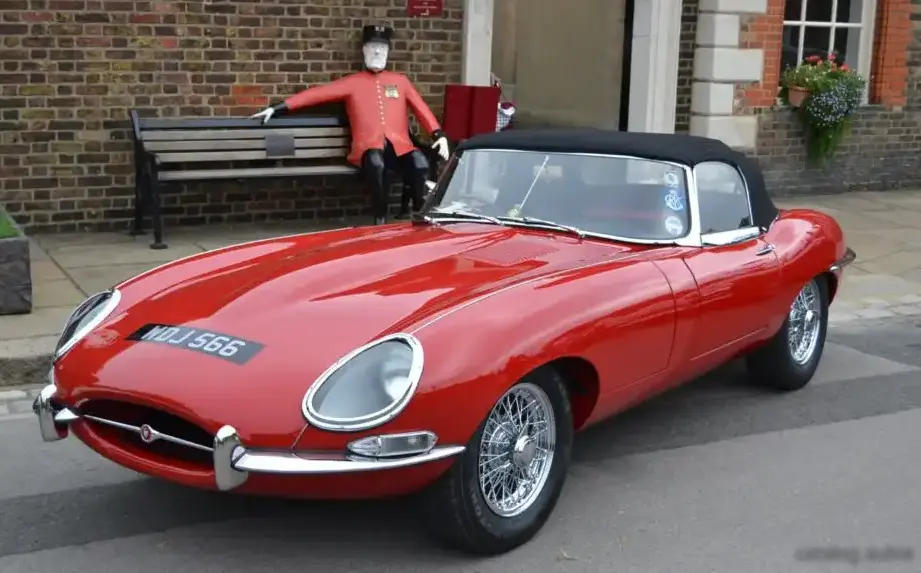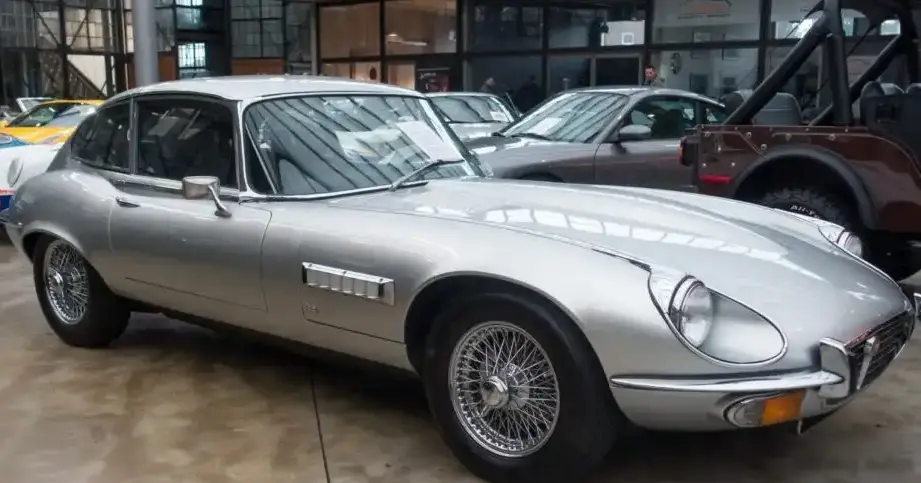
The Jaguar E-type 2+2 4.2 Series 2, produced between 1968 and 1971, represents a significant evolution of the iconic E-type. While the original E-type (Series 1) captivated the world with its stunning design and performance, the Series 2 aimed for a more refined and practical grand touring experience. The 2+2 designation indicates the addition of a rear seat, increasing the car’s usability, though it also resulted in a slightly altered silhouette compared to the original coupe. This variant, powered by the 4.2-liter inline-six engine producing 173 horsepower, occupied a middle ground within the Series 2 lineup, offering a balance between performance and comfort. It was positioned as a more accessible entry point into the E-type world compared to the more expensive and performance-focused roadster versions.
Technical Specifications
| Brand | Jaguar |
| Model | E-type |
| Generation | E-type 2+2 |
| Type (Engine) | 4.2 (Series 2) (173 Hp) |
| Start of Production | 1968 |
| End of Production | 1971 |
| Powertrain Architecture | Internal Combustion Engine |
| Body Type | Coupe |
| Seats | 4 |
| Doors | 2 |
| Fuel Type | Petrol (Gasoline) |
| Power | 173 Hp |
| Engine Aspiration | Naturally Aspirated |
| Drivetrain | Rear Wheel Drive |
Powertrain & Engine Architecture
The heart of the E-type 2+2 4.2 Series 2 is the Jaguar XK inline-six engine, displacing 4.2 liters (4235 cc). This engine, designated as the XK7, was a significant upgrade over the earlier 3.8-liter unit. It featured a cast iron block, an aluminum cylinder head, and three SU carburetors. While the 173 horsepower output was slightly detuned compared to the earlier Series 1 4.2, it still provided ample power for comfortable high-speed cruising. The engine’s architecture was fundamentally conservative, relying on proven technology for reliability. The XK engine is known for its smooth power delivery and distinctive exhaust note. The Series 2 engine incorporated a Zenith-Stromberg carburetor setup in some markets, though the SU configuration remained common. The engine was mated to a three-speed automatic transmission, a popular choice for buyers prioritizing ease of use over outright performance. A four-speed manual transmission was also available, but the automatic was significantly more common in the 2+2 configuration.
Driving Characteristics
The E-type 2+2 4.2 automatic offered a distinctly different driving experience compared to its manual counterparts or the lighter Series 1 models. The automatic transmission, while providing convenience, did diminish the car’s responsiveness. Acceleration was respectable, but not as exhilarating as the manual versions. The 2+2’s increased weight, due to the longer wheelbase and added rear seats, also contributed to a less nimble feel. However, the car excelled as a comfortable and capable grand tourer. The suspension, featuring independent front and rear suspension with torsion bars and dampers, provided a relatively smooth ride, even on imperfect road surfaces. The steering, though not power-assisted in all models, was direct and communicative. The automatic transmission’s gear ratios were optimized for cruising, making long highway journeys effortless. While not a sports car in the purest sense, the E-type 2+2 4.2 offered a refined and enjoyable driving experience for those seeking a stylish and comfortable classic.
Equipment & Trim Levels
The E-type 2+2 4.2 Series 2 came reasonably well-equipped, though options allowed buyers to personalize their vehicles. Standard features included leather upholstery, a wood-rimmed steering wheel, and a comprehensive instrument panel. The Series 2 models also featured a larger, more modern-looking grille and redesigned headlights compared to the Series 1. Optional extras included air conditioning, power steering, a radio, and wire wheels. Interior trim options included various leather colors and wood veneer finishes. The 2+2 configuration offered a usable rear seat, though legroom was limited. The dashboard layout was similar to that of the Series 1, but with some minor revisions to accommodate the updated switchgear. The overall interior ambiance was one of understated luxury and British craftsmanship.
Chassis & Braking
The E-type 2+2 4.2 Series 2 utilized a monocoque chassis construction, providing a good balance of strength and weight. The suspension system consisted of independent front and rear suspension with torsion bars and dampers. The rear axle was a Salisbury differential. Braking was initially accomplished with Dunlop disc brakes all around, though some earlier models may have featured rear drum brakes. The Series 2 models generally benefited from improved braking performance compared to the Series 1, thanks to refinements in the braking system. Power steering was an optional extra, but became increasingly common. The tires were typically Dunlop radial tires, providing good grip and handling characteristics. The chassis was designed to provide a comfortable ride while maintaining reasonable handling capabilities.
Market Reception & Comparison
The E-type 2+2 4.2 Series 2 received a mixed reception from critics. While the added practicality of the 2+2 configuration was appreciated, some purists lamented the loss of the original E-type’s sleek lines. The automatic transmission was also criticized by some for detracting from the car’s sporting character. However, the 2+2 proved to be a popular choice among buyers seeking a comfortable and stylish grand tourer. Compared to the manual transmission versions, the automatic offered greater ease of use, particularly in urban traffic. Compared to the Series 1 models, the Series 2 offered a more refined and modern driving experience, albeit with slightly reduced performance. Fuel economy was typical for a 4.2-liter engine of the era, averaging around 15-20 miles per gallon. Reliability was generally good, though maintenance could be costly due to the car’s complexity and the need for specialized parts.
Legacy
The Jaguar E-type 2+2 4.2 Series 2 remains a highly sought-after classic car today. While not as iconic as the original Series 1 coupe, it offers a more affordable entry point into the E-type world. The 4.2-liter engine is known for its durability and relatively straightforward maintenance. However, like all classic Jaguars, regular maintenance is essential to keep the car in good running order. The automatic transmission, while not as engaging as a manual, is generally reliable if properly maintained. The 2+2’s increased practicality makes it a more usable classic car for everyday driving. Values have been steadily increasing in recent years, reflecting the growing demand for classic British sports cars. The E-type 2+2 4.2 Series 2 represents a unique chapter in the E-type’s history, offering a blend of style, comfort, and performance that continues to appeal to enthusiasts today.