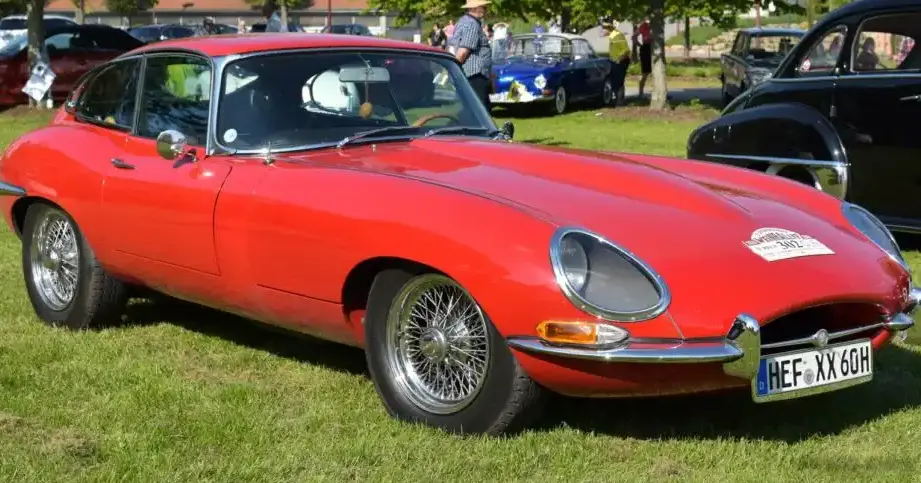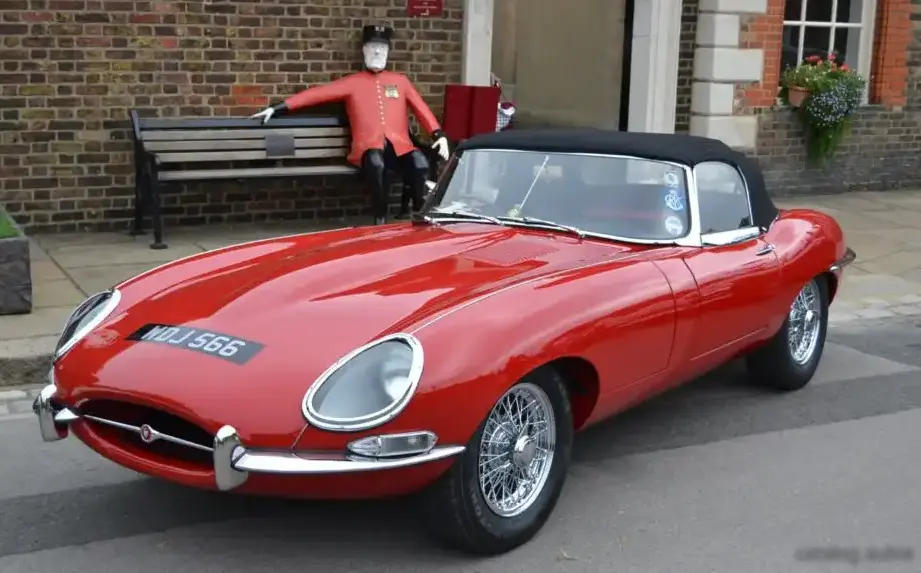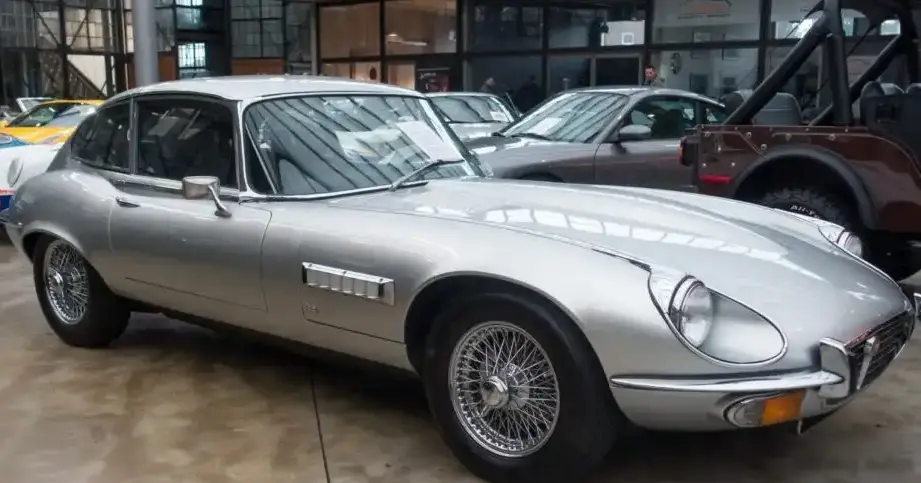
The Jaguar E-type Series 3 2+2, powered by the 5.3-liter V12 engine, represented a significant evolution of the iconic E-type lineage. Produced from 1971 to 1975, this variant aimed to offer a more practical and comfortable grand touring experience compared to the earlier, more focused roadster and earlier 2+2 models. While often debated by purists, the Series 3 2+2 broadened the E-type’s appeal, offering a luxurious and powerful option within the burgeoning grand touring market. It was the final iteration of the E-type, marking the end of an era for Jaguar’s celebrated sports car.
Technical Specifications
| Brand | Jaguar |
| Model | E-type |
| Generation | E-type 2+2 |
| Type (Engine) | V12 5.3 (Series3) (276 Hp) |
| Start of production | 1971 |
| End of production | 1975 |
| Powertrain Architecture | Internal Combustion engine |
| Body type | Coupe |
| Seats | 4 |
| Doors | 2 |
| Fuel Type | Petrol (Gasoline) |
| Power | 276 Hp |
| Engine aspiration | Naturally aspirated engine |
| Drivetrain | Rear wheel drive |
Powertrain & Engine Architecture
The heart of the Series 3 2+2 is Jaguar’s renowned 5.3-liter V12 engine, designated the Jaguar XK engine. This engine, while sharing a lineage with the earlier 4.2-liter V12, featured significant revisions. It utilized a 60-degree V-angle, offering a compact design and improved balance. The engine employed a single overhead camshaft per cylinder bank, operating four valves per cylinder. Fuel delivery was managed by three SU carburetors, a system known for its responsiveness but requiring careful tuning. The engine produced 276 horsepower at 6,000 rpm and 304 lb-ft of torque at 3,600 rpm. The engine block was constructed from cast iron, while the cylinder heads were made of aluminum alloy. The transmission was a three-speed automatic, a Borg-Warner unit, chosen to provide a more relaxed driving experience befitting the 2+2’s grand touring intentions. A four-speed manual transmission was available as an option, but the automatic was by far the more popular choice in the US market.
Driving Characteristics
The 5.3-liter V12 2+2 offered a distinctly different driving experience compared to earlier E-types. The automatic transmission, while smooth, did detract from the raw sporting feel of the original. Acceleration was brisk, with a 0-60 mph time of around 6.6 seconds, but the car’s increased weight (approximately 4,200 lbs) and the torque converter’s inherent losses meant it wasn’t as nimble as its predecessors. The gear ratios were optimized for comfortable cruising, making it an excellent long-distance tourer. The V12 engine delivered a broad torque curve, providing ample power for effortless overtaking. However, the automatic transmission’s shift points could sometimes feel ill-timed, and the car lacked the direct connection to the engine offered by a manual gearbox. Steering was power-assisted, contributing to the ease of driving, but some drivers found it lacked feel.
Equipment & Trim Levels
The Series 3 2+2 was well-equipped for its time, reflecting its positioning as a luxury grand tourer. Standard features included leather upholstery, a wood-veneered dashboard, electric windows, and a heated rear window. Air conditioning was a popular option, as was a radio with a stereo amplifier. The interior trim was generally more refined than earlier E-types, with a greater emphasis on comfort and convenience. The 2+2 configuration offered rear seats, although they were best suited for children or shorter adults. Exterior features included a distinctive black front spoiler and a larger rear spoiler, both designed to improve aerodynamics and stability at higher speeds. Wheel options included wire wheels and five-spoke alloy wheels.
Chassis & Braking
The Series 3 2+2 retained the E-type’s fundamentally sound chassis design, but with modifications to accommodate the larger engine and the 2+2 body style. The suspension utilized independent double wishbones at the front and a fully independent rear suspension with lower wishbones and radius arms. The steering was rack and pinion, with power assistance. Braking was provided by disc brakes all around, although the rear discs were smaller than those on earlier E-types. The braking system was generally effective, but the car’s weight required a firm pedal input. Stabilizer bars were fitted front and rear to reduce body roll. The chassis was reinforced to handle the increased weight and stresses associated with the V12 engine and the 2+2 body.
Market Reception & Comparison
The Series 3 2+2 received a mixed reception from critics and enthusiasts. Some praised its luxurious appointments, powerful engine, and comfortable ride, while others lamented the loss of the original E-type’s raw sporting character. Compared to the earlier 2+2 models, the Series 3 offered significantly improved performance and refinement thanks to the V12 engine. Compared to the six-cylinder E-types, the V12 2+2 was considerably more expensive and heavier. Fuel economy was predictably poor, averaging around 12-15 mpg. Reliability could be an issue, particularly with the SU carburetors and the complex electrical systems. However, when properly maintained, the V12 engine proved to be durable. The 2+2 was often seen as a competitor to other grand touring cars of the era, such as the Aston Martin V8 and the Ferrari 365 GT4 2+2.
Legacy
The Jaguar E-type Series 3 2+2 represents the final chapter in the E-type story. While it may not be as highly regarded by purists as the earlier models, it remains a desirable classic car, particularly in the US market where the automatic transmission was favored. The V12 engine is known for its smooth power delivery and distinctive sound. Today, well-maintained examples command significant prices. The 5.3-liter V12 powertrain, while complex, is generally considered reliable when properly maintained, although parts availability can be a challenge. The Series 3 2+2’s legacy lies in its ability to blend Jaguar’s sporting heritage with a more luxurious and practical grand touring experience, offering a unique and compelling alternative within the classic car landscape. It stands as a testament to Jaguar’s engineering prowess and design flair during a pivotal period in the company’s history.