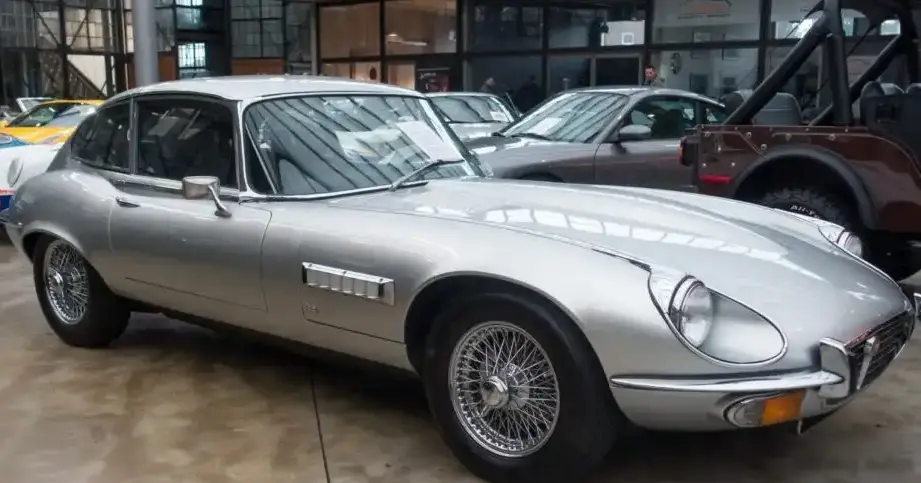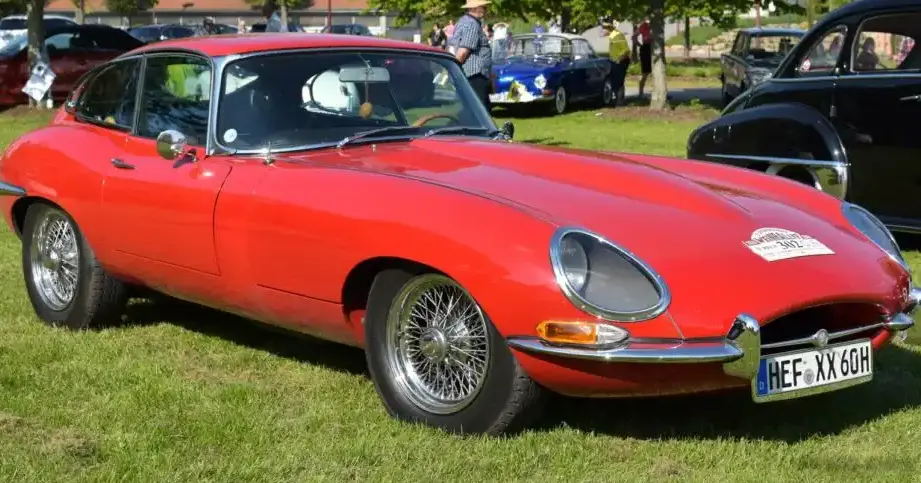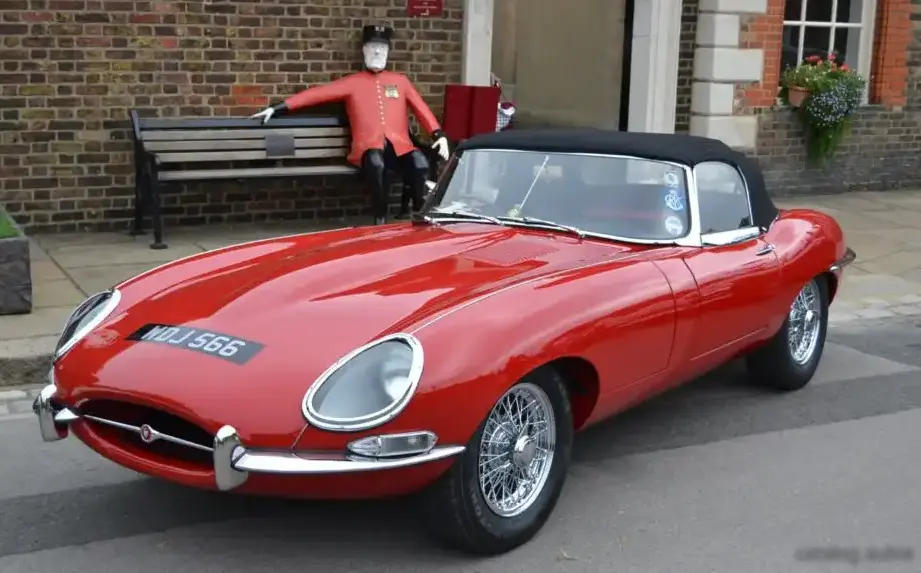
The Jaguar E-type Series 1 3.8 Convertible, produced between 1961 and 1964, represents the initial iteration of what many consider to be one of the most beautiful and iconic sports cars ever created. This open-top variant of the E-type, built on the chassis code E1A, quickly established Jaguar’s reputation for blending stunning aesthetics with impressive performance. It was a direct response to a need for a replacement for the aging XK120, XK140, and XK150 models, and aimed to offer a more modern and technologically advanced sports car experience. The Series 1 is particularly prized by collectors for its distinctive external features, including the fully covered headlights and the absence of a front spoiler. It served as the flagship model, showcasing Jaguar’s engineering prowess and design flair to a global audience.
Technical Specifications
| Brand | Jaguar |
| Model | E-type |
| Generation | E-type Convertible |
| Type (Engine) | 3.8 (Series1) (265 Hp) |
| Start of production | 1961 |
| End of production | 1964 |
| Powertrain Architecture | Internal Combustion engine |
| Body type | Cabriolet |
| Seats | 2 |
| Doors | 2 |
| Fuel Type | Petrol (Gasoline) |
| Power | 265 Hp |
| Engine aspiration | Naturally aspirated engine |
| Drivetrain | Rear wheel drive |
Powertrain & Engine Architecture
The heart of the E-type Series 1 3.8 Convertible is its 3.8-liter, naturally aspirated, inline-six cylinder engine, designated the XK6. This engine, a development of Jaguar’s long-standing XK series, was a marvel of engineering for its time. It featured a DOHC (Dual Overhead Camshaft) cylinder head, aluminum block and cylinder head, and a high compression ratio of 9:1. The engine utilized three SU HD8 carburetors, providing smooth and responsive power delivery. The XK6 produced 265 horsepower at 5,500 rpm and 240 lb-ft of torque at 4,000 rpm. The engine’s design emphasized lightweight construction, contributing to the car’s overall agility. The transmission was a four-speed manual, fully synchronized gearbox, although a three-speed automatic transmission was offered as an option, though less common in the early Series 1 cars. The engine’s architecture was fundamentally robust, though it required diligent maintenance to prevent overheating, a common issue with early examples.
Driving Characteristics
The E-type Series 1 3.8 Convertible offered a driving experience that was both exhilarating and demanding. Its relatively lightweight construction (around 2,880 lbs) combined with the potent 3.8-liter engine resulted in impressive acceleration. Contemporary road tests reported a 0-60 mph time of around 6.4 seconds and a top speed of approximately 150 mph – figures that were remarkable for a production car in the early 1960s. The four-speed manual gearbox provided precise shifts, allowing the driver to fully exploit the engine’s power band. The rear-wheel drive configuration and independent front suspension contributed to excellent handling, although the rear suspension, while independent, could be prone to some degree of oversteer, particularly when pushed to the limit. The steering was direct and responsive, providing a good connection between the driver and the road. The overall driving experience was characterized by a raw, visceral feel, offering a level of engagement that is rarely found in modern automobiles.
Equipment & Trim Levels
The E-type Series 1 3.8 Convertible was relatively sparsely equipped by modern standards, reflecting the priorities of the era. Standard features included leather upholstery, a wood-rimmed steering wheel, and a comprehensive instrument panel with gauges for speed, tachometer, oil pressure, water temperature, and fuel level. The convertible top was manually operated and offered limited weather protection. Optional extras included wire wheels (a popular choice), a radio, and a heater. Interior trim was typically finished in either black or red leather, with options for other colors available through the factory. The dashboard layout was elegant and functional, with a focus on providing the driver with essential information. The overall interior ambiance was one of understated luxury and sporting intent.
Chassis & Braking
The E-type Series 1 utilized a monocoque chassis construction, a relatively advanced technique for the time, providing a strong and lightweight platform. The front suspension was independent, employing double wishbones and torsion bar springs. The rear suspension was also independent, utilizing a modified De Dion axle design. Braking was initially provided by Dunlop disc brakes on all four wheels, a significant advancement over the drum brakes commonly found on contemporary sports cars. However, early Series 1 cars sometimes suffered from brake fade under heavy use, prompting Jaguar to introduce improvements to the braking system in later iterations. Steering was a rack and pinion system, providing precise and responsive control. The chassis and suspension were tuned to provide a balance between ride comfort and handling performance, resulting in a car that was both enjoyable to drive on the road and capable on the track.
Market Reception & Comparison
The Jaguar E-type Series 1 3.8 Convertible was an instant success upon its launch in 1961. Enthusiasts and critics alike praised its stunning design, impressive performance, and relatively affordable price. It quickly became a symbol of British automotive excellence and a desirable object for sports car enthusiasts around the world. Compared to its contemporaries, such as the Chevrolet Corvette and the Porsche 356, the E-type offered a more sophisticated and luxurious driving experience. While the Corvette emphasized raw power and American muscle, and the Porsche prioritized handling and precision, the E-type struck a balance between the two, offering a compelling combination of style, performance, and refinement. Early criticisms focused on the car’s tendency to overheat and the occasional issues with brake fade, but these were largely addressed in subsequent Series 1.5 and Series 2 models.
Legacy
The Jaguar E-type Series 1 3.8 Convertible remains a highly sought-after classic car today. Its iconic design and impressive performance have ensured its place in automotive history. The early Series 1 models, with their fully covered headlights and distinctive styling cues, are particularly prized by collectors. While maintenance can be demanding, the XK6 engine is generally considered to be a robust and reliable powerplant when properly cared for. The E-type’s influence can be seen in countless sports car designs that followed, and it continues to inspire automotive enthusiasts around the world. The values of well-maintained Series 1 Convertibles have steadily increased in recent years, reflecting their rarity, historical significance, and enduring appeal. It stands as a testament to Jaguar’s golden age of design and engineering, and a reminder of a time when sports cars were about more than just speed and technology – they were about style, passion, and the pure joy of driving.