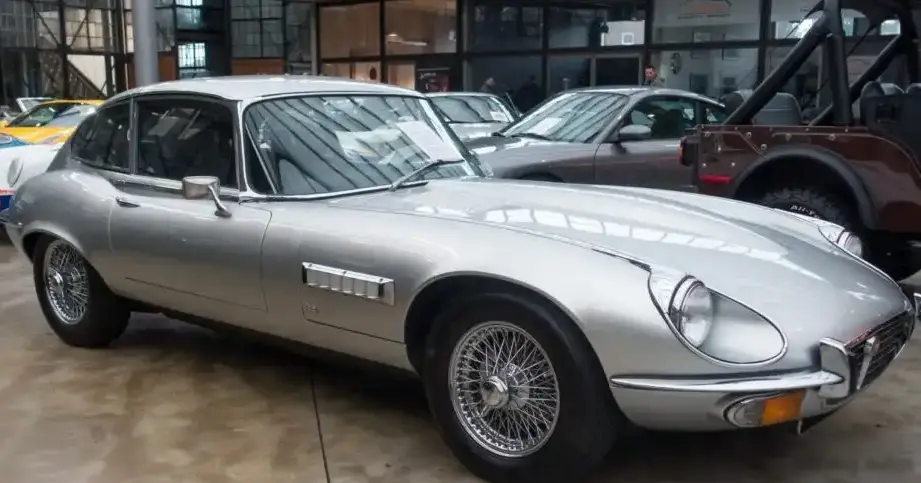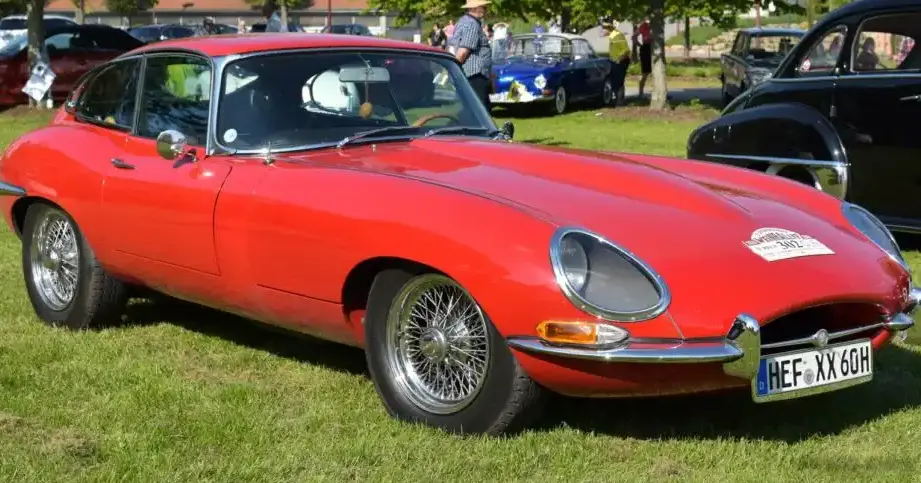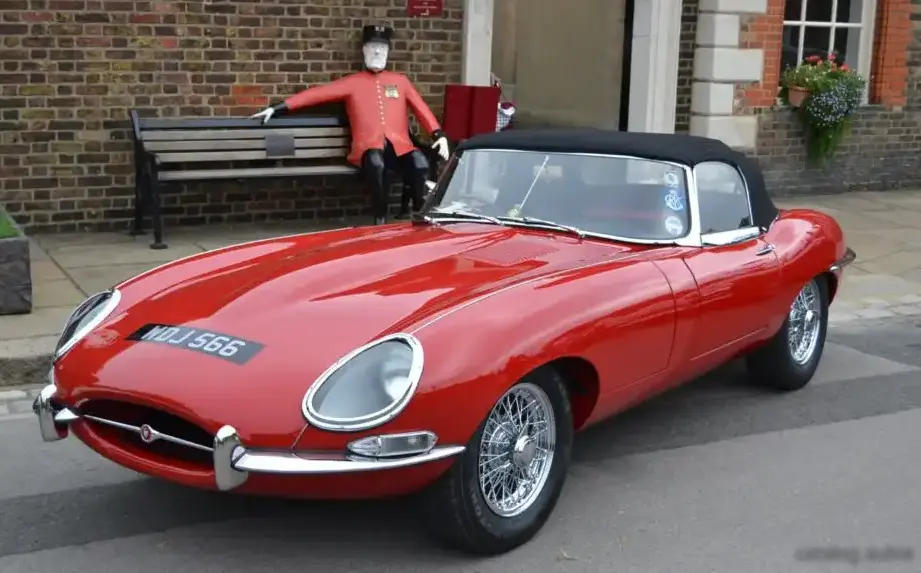
The Jaguar E-type Series 1 4.2 Convertible, produced between 1964 and 1968, represents a pivotal evolution of the iconic E-type. Following the initial 3.8-liter version, the 4.2-liter engine offered increased performance and refinement, solidifying the E-type’s reputation as a world-class grand tourer. This particular convertible variant, with its open-air design, embodied the spirit of the 1960s and remains highly sought after by collectors and enthusiasts today. It was positioned as the premium open-top offering within the E-type range, appealing to drivers seeking both exhilarating performance and stylish motoring.
Technical Specifications
| Brand | Jaguar |
| Model | E-type |
| Generation | E-type Convertible |
| Type (Engine) | 4.2 (Series 1) (265 Hp) |
| Start of Production | 1964 |
| End of Production | 1968 |
| Powertrain Architecture | Internal Combustion Engine |
| Body Type | Cabriolet |
| Seats | 2 |
| Doors | 2 |
| Fuel Type | Petrol (Gasoline) |
| Power | 265 Hp |
| Engine Aspiration | Naturally Aspirated |
| Drivetrain | Rear Wheel Drive |
Powertrain & Engine Architecture
The heart of the E-type Series 1 4.2 Convertible is the XK7 engine, specifically the 4.2-liter version. This engine, designated as the XK7, represented a significant upgrade over the earlier 3.8-liter unit. It featured a larger displacement achieved through an increased bore size, resulting in a more robust power output of 265 horsepower. The engine is a naturally aspirated, inline-six cylinder configuration, utilizing a cast iron block and an aluminum cylinder head. It employed a Solex 40 PHH carburetor system, providing fuel delivery. The valvetrain consists of a single overhead camshaft operating two valves per cylinder. The engine’s design prioritized smooth power delivery and a distinctive exhaust note. Unlike later E-types, the Series 1 4.2 retained the fully synchronized four-speed manual transmission as standard, though a three-speed automatic transmission was offered as an option, though less common in the convertible variant. The automatic transmission, a Borg-Warner unit, provided a more relaxed driving experience, but at the expense of some performance and driver engagement.
Driving Characteristics
The E-type 4.2 Convertible offered a compelling blend of performance and comfort. The 265 horsepower engine provided brisk acceleration, capable of propelling the car from 0 to 60 mph in approximately 6.4 seconds – a remarkable figure for the mid-1960s. The manual transmission allowed for precise control and maximized the engine’s potential, while the optional automatic provided a more effortless driving experience, particularly suited for long-distance touring. The rear-wheel-drive configuration contributed to a balanced handling characteristic, although the car’s relatively long wheelbase and independent front suspension meant it wasn’t as nimble as some contemporary sports cars. The steering, while not power-assisted in most examples, was relatively light and responsive. The convertible top, when retracted, transformed the car into an open-air experience, enhancing the sense of freedom and connection to the road. Compared to the 3.8-liter version, the 4.2 offered noticeably more torque throughout the rev range, making it more tractable in everyday driving situations. The automatic transmission, while convenient, did diminish the overall performance and responsiveness compared to the manual.
Equipment & Trim Levels
The E-type Series 1 4.2 Convertible was a relatively well-equipped vehicle for its time, though options allowed for a significant degree of personalization. Standard features included leather upholstery, a wood-rimmed steering wheel, and a comprehensive instrument panel with gauges for speed, tachometer, oil pressure, water temperature, and fuel level. The convertible top was manually operated and covered in a vinyl material. Optional extras included a radio, wire wheels (in place of the standard steel wheels with hubcaps), and a passenger seat headrest. Interior trim was typically finished in rich colors such as black, red, or cream. The dashboard layout was elegant and functional, with toggle switches controlling various functions. The overall ambiance of the interior was one of understated luxury and sporting refinement.
Chassis & Braking
The E-type Series 1 4.2 Convertible utilized a monocoque chassis construction, providing a strong and lightweight platform. The suspension system consisted of independent front suspension with double wishbones and torsion bars, and a live axle rear suspension with semi-elliptic leaf springs. This configuration provided a comfortable ride while maintaining reasonable handling characteristics. The braking system was initially equipped with Dunlop disc brakes all around, a groundbreaking feature for a production car of this era. However, some early models featured drum brakes on the rear wheels. The brakes were effective for the time, but lacked the sophistication of modern braking systems. Steering was of the rack and pinion type, providing precise and responsive control. The car’s weight distribution was relatively balanced, contributing to its handling stability.
Market Reception & Comparison
The Jaguar E-type Series 1 4.2 Convertible was widely acclaimed by the automotive press upon its release. Critics praised its stunning design, exhilarating performance, and relatively affordable price. It was often compared favorably to more expensive grand tourers from Ferrari and Aston Martin. The 4.2-liter engine was lauded for its increased power and refinement compared to the earlier 3.8-liter version. Fuel economy, however, was not a strong point, averaging around 17 mpg. Reliability was generally good, but the E-type was known to require regular maintenance. Compared to the E-type coupe, the convertible offered a more open and engaging driving experience, but at the expense of some structural rigidity. The automatic transmission, while offering convenience, was generally considered less desirable than the manual transmission by enthusiasts.
Legacy
The Jaguar E-type Series 1 4.2 Convertible remains one of the most iconic and desirable classic cars of all time. Its timeless design and exhilarating performance continue to captivate enthusiasts today. The 4.2-liter engine is considered by many to be the sweet spot in the E-type lineup, offering a balance of power, reliability, and drivability. Well-maintained examples command high prices in the collector car market. The E-type’s influence on automotive design is undeniable, and it continues to inspire car manufacturers to this day. While requiring careful maintenance due to its age, the E-type 4.2 Convertible offers a rewarding ownership experience for those willing to invest the time and effort. The XK7 engine, while robust, benefits from regular servicing and attention to cooling system components to ensure long-term reliability. The car’s enduring appeal is a testament to its exceptional engineering and timeless beauty.