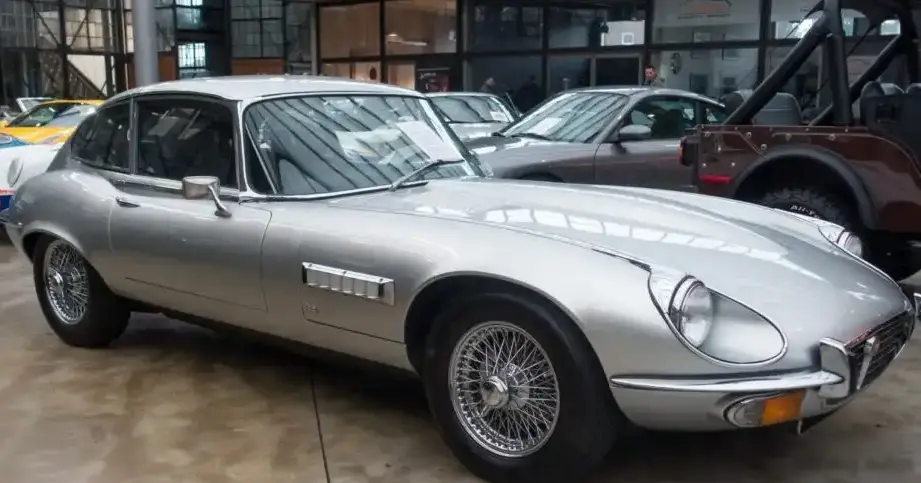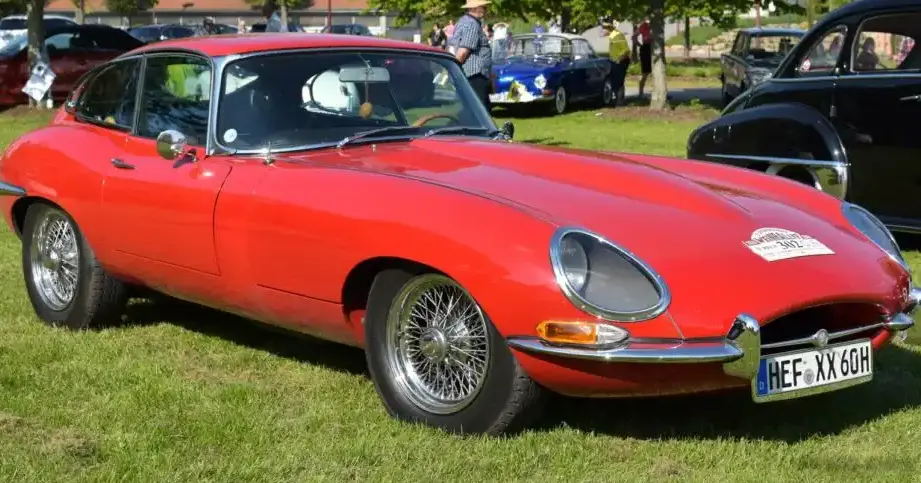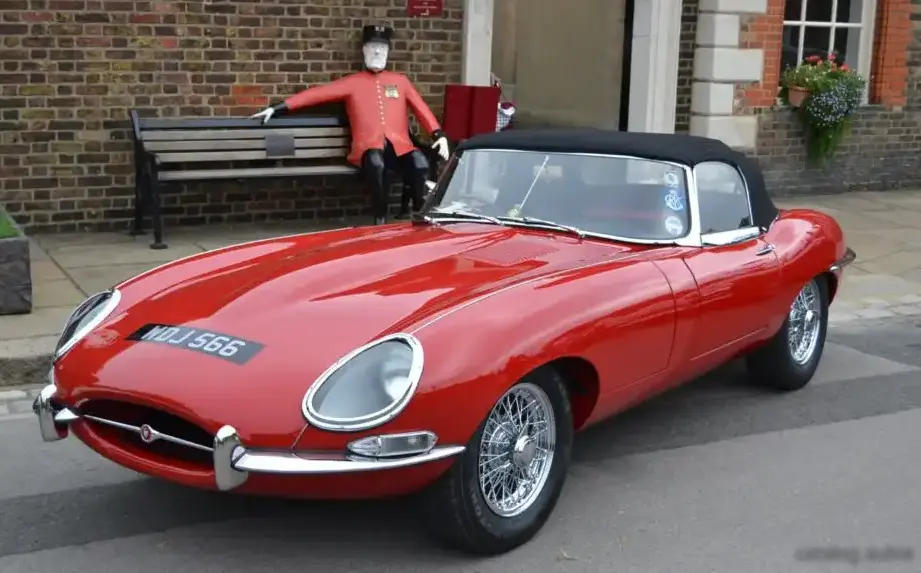
The Jaguar E-type Series 3 Convertible, specifically the 4.2-liter variant producing 173 horsepower, represents the final evolution of the iconic E-type lineage. Produced from 1971 to 1975, this model marked a significant departure from its predecessors, primarily due to the adoption of the V12 engine, though the 4.2-liter inline-six continued in production for select markets, including North America. The Series 3 aimed to meet increasingly stringent US safety and emissions regulations while retaining the E-type’s core appeal of performance and style. This version occupied a unique position, offering a more accessible entry point into the E-type experience compared to the more expensive V12 models, yet still delivering a classic Jaguar driving experience.
Technical Specifications
| Brand | Jaguar |
| Model | E-type |
| Generation | E-type Convertible |
| Type (Engine) | 4.2 (Series 3) (173 Hp) |
| Start of Production | 1971 |
| End of Production | 1975 |
| Powertrain Architecture | Internal Combustion Engine |
| Body Type | Cabriolet |
| Seats | 2 |
| Doors | 2 |
| Fuel Type | Petrol (Gasoline) |
| Power | 173 Hp |
| Engine Aspiration | Naturally Aspirated |
| Drivetrain | Rear Wheel Drive |
Powertrain & Engine Architecture
The 4.2-liter inline-six engine, designated as the XK6, was a long-running Jaguar powerplant. In the Series 3 E-type, it retained its fundamental architecture – a dual overhead camshaft design with three SU carburetors. However, it received modifications to meet emissions standards, resulting in a slight power reduction compared to earlier 4.2-liter versions. The engine produced 173 horsepower at 5,400 rpm and 190 lb-ft of torque at 3,600 rpm. The engine block was cast iron, while the cylinder head was aluminum alloy. The carburetors were tuned to provide smooth power delivery, prioritizing drivability over outright performance. The engine was mated to a four-speed manual transmission or, more commonly in the US market, a three-speed automatic transmission – a Borg-Warner Type 35 unit. This automatic transmission, while offering convenience, did impact acceleration times compared to the manual version.
Driving Characteristics
The 4.2-liter E-type Series 3 Convertible with the automatic transmission offered a grand touring experience. Acceleration was respectable, with a 0-60 mph time of around 8.5 seconds, but noticeably slower than the manual transmission equipped models. The automatic transmission’s gear ratios were geared towards comfortable cruising rather than aggressive acceleration. The engine provided ample torque for relaxed highway driving and effortless overtaking. Handling was typical of the E-type – responsive and engaging, though the Series 3 models were slightly heavier than earlier iterations. The independent rear suspension, a hallmark of the E-type, contributed to a comfortable ride, even on less-than-perfect road surfaces. The power steering, standard on these models, made maneuvering at low speeds relatively easy, but some drivers found it lacked feel at higher speeds.
Equipment & Trim Levels
The Series 3 E-type Convertible was relatively well-equipped for its time. Standard features included leather upholstery, a wood-veneered dashboard, and a comprehensive instrument panel. The interior design was a step up in refinement compared to earlier E-types, with improved ventilation and a more modern dashboard layout. Optional extras included air conditioning, a radio, and power windows. The convertible top was manually operated, though some examples were retrofitted with power operation. Trim levels were fairly basic, with limited options for customization beyond the available exterior paint colors and interior leather choices. The US market versions often included federally mandated safety features, such as impact bumpers and side marker lights.
Chassis & Braking
The E-type Series 3 retained the fundamental chassis design of its predecessors – a monocoque steel construction. However, the Series 3 featured a wider track and a reinforced chassis to accommodate the larger V12 engine (and to provide a more stable platform for the 4.2-liter models as well). The suspension consisted of independent front suspension with double wishbones and coil springs, and a fully independent rear suspension with radius arms and coil springs. Braking was accomplished via disc brakes on all four wheels, though the rear discs were smaller in diameter than the front. Power assistance was standard. The steering was rack and pinion, providing precise and responsive handling. Stabilizer bars were fitted to both the front and rear suspension to reduce body roll during cornering.
Market Reception & Comparison
The 4.2-liter Series 3 E-type Convertible was generally well-received, particularly in the US market where it offered a more affordable alternative to the V12 models. Critics praised its styling, comfortable ride, and overall refinement. However, some lamented the loss of the earlier E-type’s raw, visceral character. Compared to the V12 version, the 4.2-liter offered a more balanced driving experience, with less weight over the front axle and a more responsive feel. Fuel economy was reasonable for the era, averaging around 17 mpg in mixed driving. Reliability was generally good, though the SU carburetors required periodic tuning and maintenance. Compared to contemporary sports cars like the Porsche 911, the E-type offered a more luxurious and comfortable experience, but lacked the Porsche’s outright performance and track-focused handling.
Legacy
The Jaguar E-type Series 3 Convertible, including the 4.2-liter variant, remains a highly sought-after classic car. The 4.2-liter models are often considered a sweet spot in the E-type lineup, offering a good balance of performance, style, and affordability. The XK6 engine, while not as powerful as the V12, is known for its durability and relatively straightforward maintenance. Today, well-maintained examples command significant prices in the collector car market. The automatic transmission versions, while not as desirable to some enthusiasts, offer a more accessible entry point into E-type ownership. The Series 3 E-type represents the culmination of Jaguar’s iconic sports car design, and continues to be celebrated as one of the most beautiful and influential automobiles of all time. Finding original, unrestored examples is becoming increasingly difficult, and restoration projects can be costly, but the enduring appeal of the E-type ensures its continued popularity among collectors and enthusiasts alike.