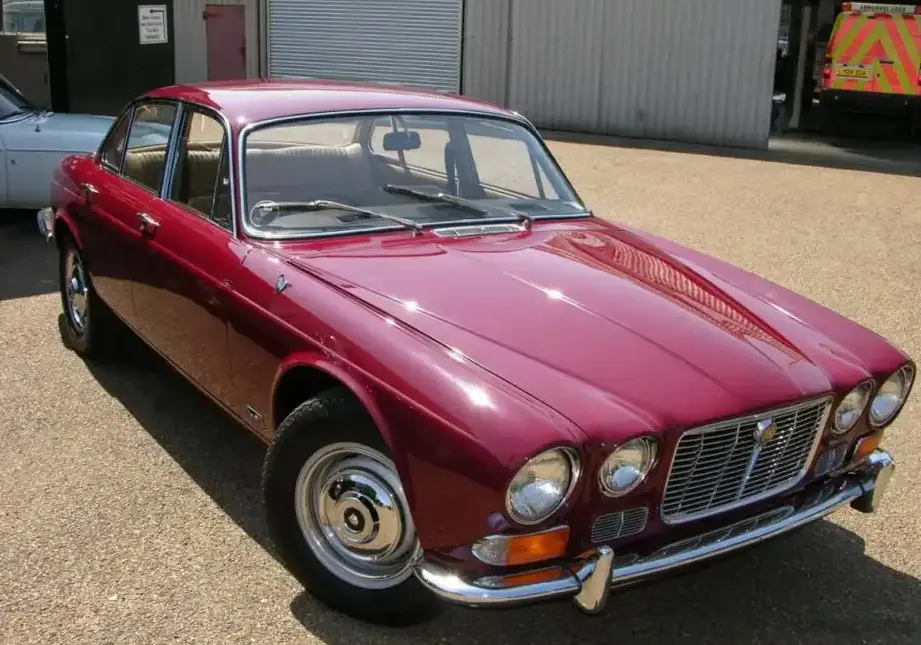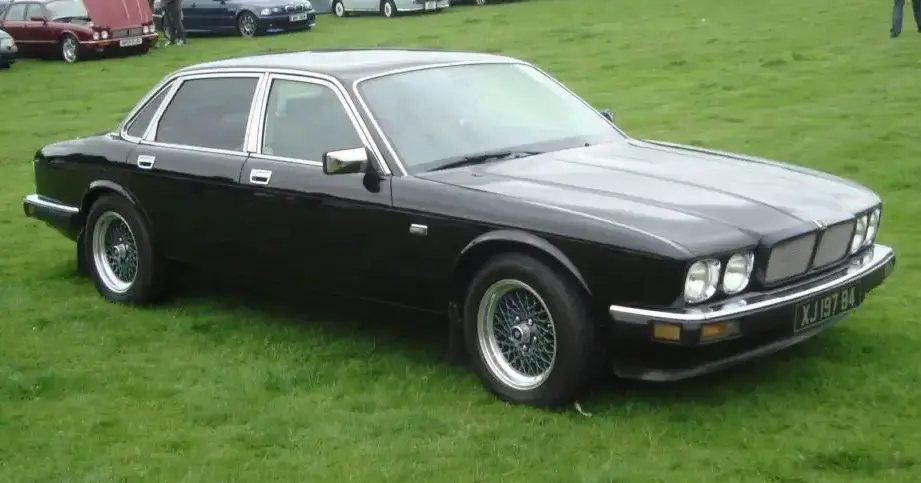
The Jaguar XJ40, and subsequently the XJ81, represented a significant modernization of Jaguar’s flagship saloon during the early 1990s. Produced from 1987 to 1994, the XJ40 aimed to address quality concerns that had plagued earlier Jaguar models while introducing contemporary technology and design. The 6.0-liter V12 variant, introduced in 1993 and continuing through 1994, was the ultimate expression of the XJ40/XJ81, offering a blend of luxury, performance, and sophisticated engineering. This model occupied the very top of the XJ range, positioned as the most opulent and powerful option available, catering to buyers seeking the pinnacle of Jaguar refinement.
Technical Specifications
| Brand | Jaguar |
| Model | XJ |
| Generation | XJ (XJ40/XJ81) |
| Type (Engine) | 6.0 V12 (311 Hp) |
| Start of production | 1993 |
| End of production | 1994 |
| Powertrain Architecture | Internal Combustion Engine |
| Body type | Sedan |
| Seats | 5 |
| Doors | 4 |
| Fuel Type | Petrol (Gasoline) |
| Power | 311 Hp |
| Engine Aspiration | Naturally Aspirated |
Powertrain & Engine Architecture
The heart of the XJ81 6.0 V12 was Jaguar’s AJ6 engine, a 6.0-liter (5998cc) naturally aspirated V12. This engine represented a significant evolution of Jaguar’s long-standing V12 tradition. It featured a 60-degree V-angle, aluminum alloy cylinder heads and block, and a four-cam design with four valves per cylinder. Fuel injection was handled by a Bosch Motronic engine management system, controlling a multi-point fuel injection system. The V12 produced 311 horsepower at 5,500 rpm and 366 lb-ft of torque at 4,000 rpm. The engine’s smooth power delivery was a hallmark of the XJ81, providing effortless acceleration. The transmission paired with the 6.0 V12 was a four-speed automatic, a ZF 4HP22 unit known for its smoothness and reliability. This transmission was selected for its ability to handle the high torque output of the V12 engine and provide a refined driving experience. While not the most modern transmission by contemporary standards, it was well-suited to the XJ81’s grand touring character.
Driving Characteristics
The XJ81 6.0 V12 offered a distinctly different driving experience compared to the inline-six and V8 variants of the XJ40/XJ81. The V12’s substantial torque allowed for relaxed cruising and effortless overtaking. Acceleration was brisk, with 0-60 mph times estimated around 6.5 seconds, making it a genuinely quick saloon for its time. The automatic transmission, while smooth, wasn’t particularly sporty. Gear changes were geared towards comfort rather than performance, and the transmission lacked the responsiveness of more modern units. The XJ81’s suspension, featuring double wishbones at the front and a semi-trailing arm setup at the rear, provided a comfortable ride, absorbing bumps and imperfections in the road with ease. However, the car’s weight (approximately 4,000 lbs) was noticeable in corners, resulting in some body roll. The steering was power-assisted and relatively light, making it easy to maneuver at low speeds but lacking in ultimate feel.
Equipment & Trim Levels
The XJ81 6.0 V12 was comprehensively equipped, reflecting its status as the flagship model. Standard features included Connolly leather upholstery, burled walnut wood trim, electric front seats with memory function, climate control, a premium sound system, and cruise control. Exterior features included a chrome grille, body-colored bumpers, and alloy wheels. Optional extras included a sunroof, upgraded sound systems, and rear seat entertainment systems. The interior was designed to provide a luxurious and comfortable environment for both driver and passengers. The XJ81’s interior was a significant step up in terms of quality and refinement compared to earlier XJ models, addressing many of the criticisms leveled at previous generations.
Chassis & Braking
The XJ81 utilized a monocoque chassis construction, providing a rigid and strong platform. The suspension system, as mentioned previously, employed double wishbones at the front and a semi-trailing arm setup at the rear. Anti-roll bars were fitted to both axles to reduce body roll during cornering. Braking was handled by ventilated disc brakes on all four wheels, with anti-lock braking system (ABS) as standard. The ABS system helped to maintain stability during hard braking and prevent wheel lockup. The XJ81’s braking performance was adequate for its weight and performance, but it wasn’t particularly outstanding by contemporary standards. The steering system was a power-assisted rack and pinion setup, providing precise and responsive steering.
Market Reception & Comparison
The XJ81 6.0 V12 was generally well-received by automotive critics, who praised its luxurious interior, smooth ride, and powerful engine. However, some critics noted the car’s high price and relatively dated technology compared to some of its German rivals. Compared to the XJ40’s inline-six and V8 variants, the V12 offered a significant performance advantage, but it also came with a substantial price premium. The V12 was also more complex and potentially more expensive to maintain than the lower-powered engines. Fuel economy was also significantly worse with the V12, averaging around 12-15 mpg in mixed driving. Against competitors like the BMW 7 Series and Mercedes-Benz S-Class, the XJ81 offered a unique blend of British luxury and performance, but it often lagged behind in terms of technological innovation.
Legacy
The XJ81 6.0 V12 represents the culmination of the XJ40/XJ81 series. While production numbers were relatively low, the V12 models are highly sought after by collectors and enthusiasts today. The AJ6 V12 engine, despite its complexity, proved to be a relatively reliable unit when properly maintained. Common issues include cooling system problems and electrical gremlins, but these are generally well-understood by Jaguar specialists. In the used car market, the XJ81 6.0 V12 commands a premium price due to its rarity, performance, and luxurious appointments. It remains a desirable classic saloon, offering a unique driving experience and a tangible connection to Jaguar’s rich heritage. The XJ81 paved the way for the X300 generation of XJ, which further refined the formula and addressed many of the XJ40/XJ81’s shortcomings.