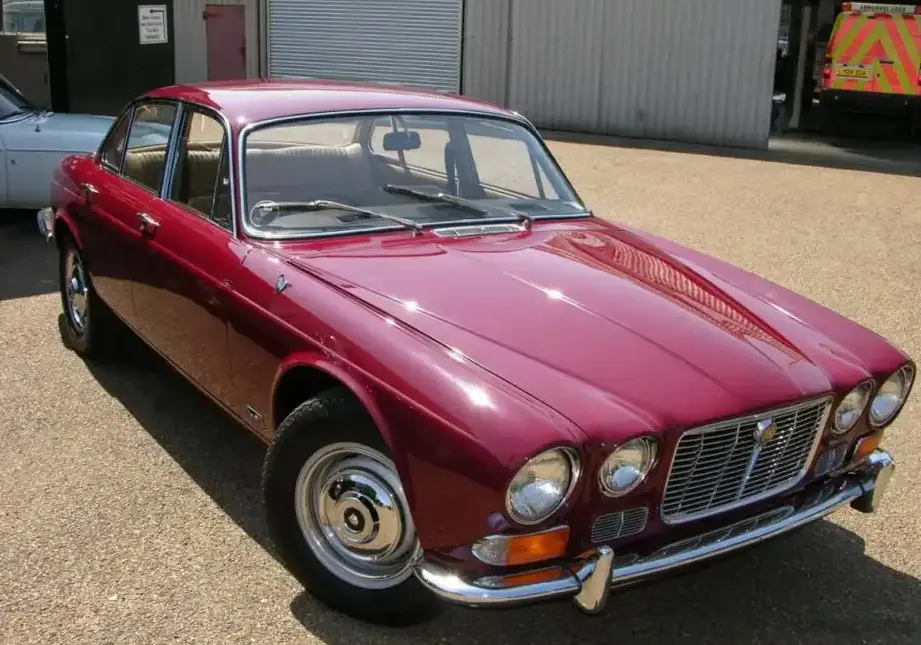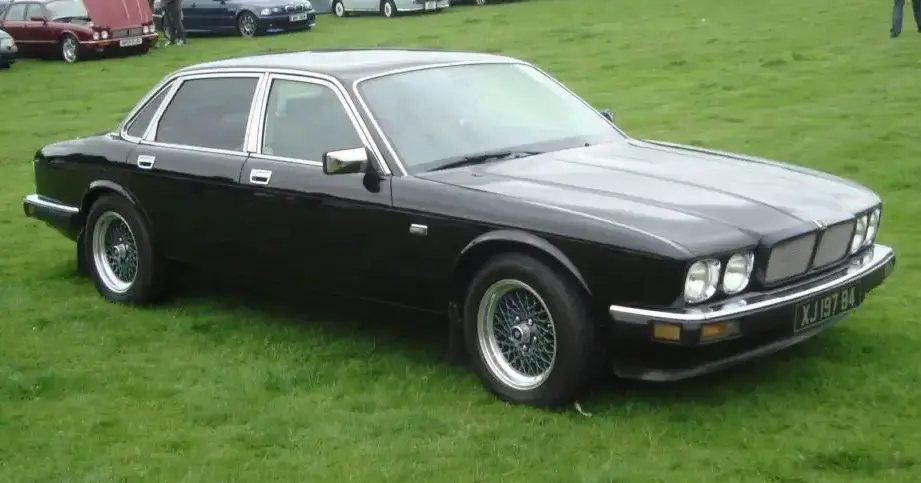
The Jaguar XJ40, later known as the XJ81 following a mid-cycle refresh, represented a significant departure for Jaguar, being the first XJ model to utilize a completely new chassis and engine designs since the original XJ series of the 1960s. Produced between 1986 and 1994, the XJ40 aimed to modernize the XJ lineage while retaining the luxury and refinement expected of the brand. The 2.9-liter inline-six variant, producing 167 horsepower, was introduced early in the production run and served as a key entry point into the XJ range, offering a balance of performance and fuel economy. This model spanned from 1986 to 1990, before the XJ81 update.
Technical Specifications
| Brand | Jaguar |
| Model | XJ |
| Generation | XJ (XJ40/XJ81) |
| Type (Engine) | 6 2.9 (167 Hp) |
| Start of production | 1986 |
| End of production | 1990 |
| Powertrain Architecture | Internal Combustion engine |
| Body type | Sedan |
| Seats | 5 |
| Doors | 4 |
| Fuel Type | Petrol (Gasoline) |
| Power | 167 Hp |
| Engine aspiration | Naturally aspirated engine |
Introduction
The XJ40 was launched in October 1986, replacing the XJ6 and XJ12 models that had been in production for over two decades. It represented a substantial investment for Jaguar, with a new, lighter, and more aerodynamic body shell constructed primarily of steel, though aluminum was used for certain panels to reduce weight. The 2.9-liter engine, designated the AJ6, was a key component of this new generation. It was designed to be more fuel-efficient and reliable than its predecessors, while still delivering the smooth power delivery expected of a Jaguar. The 2.9-liter model occupied the lower end of the XJ40 lineup, positioned below the 3.6-liter and 4.2-liter variants, and aimed at buyers seeking a luxurious experience without the higher price tag of the larger-engined models.
Powertrain & Engine Architecture
The AJ6 engine, in its 2.9-liter form, was a naturally aspirated, inline-six cylinder engine. It featured a cast iron block and an aluminum cylinder head, utilizing a single overhead camshaft (SOHC) design with four valves per cylinder. Fuel injection was handled by a Bosch Motronic system, providing precise fuel metering for improved efficiency and reduced emissions. The engine produced 167 horsepower at 5,500 rpm and 195 lb-ft of torque at 4,000 rpm. The engine’s architecture prioritized smoothness and refinement over outright performance. The 2.9-liter XJ40 typically came equipped with a three-speed automatic transmission, a Chrysler Torqueflite unit. This transmission was known for its durability and smooth shifting, but it lacked the sophistication of more modern automatic gearboxes. The transmission’s gear ratios were geared towards comfortable cruising rather than rapid acceleration.
Driving Characteristics
The 2.9-liter XJ40 offered a comfortable and refined driving experience, but it wasn’t particularly sporty. Acceleration was adequate for everyday driving, with a 0-60 mph time of around 9.5 seconds. The three-speed automatic transmission, while smooth, could feel somewhat sluggish, especially when attempting to overtake or climb hills. Compared to the 3.6-liter and 4.2-liter XJ40 models, the 2.9-liter version felt noticeably less powerful. The manual transmission, available in some markets, offered a more engaging driving experience, but was relatively rare in the US. The suspension, tuned for comfort, absorbed bumps and imperfections in the road well, providing a smooth and isolated ride. However, this also resulted in some body roll during cornering. The steering was light and precise, making the car easy to maneuver in urban environments.
Equipment & Trim Levels
The 2.9-liter XJ40 typically came with a respectable level of standard equipment, reflecting Jaguar’s commitment to luxury. Standard features included leather upholstery, power windows, power locks, air conditioning, and a premium sound system. Wood veneer trim adorned the dashboard and door panels, adding to the car’s opulent interior. Optional extras included a sunroof, heated seats, and a more advanced sound system. The base trim level offered a comfortable and well-appointed interior, while higher trim levels added more luxurious features, such as upgraded leather and additional wood trim. The interior design was relatively conservative, but it exuded a sense of quality and craftsmanship.
Chassis & Braking
The XJ40 featured an independent suspension system all around, with double wishbones at the front and a semi-trailing arm suspension at the rear. This setup provided a comfortable ride and good handling characteristics. The braking system consisted of disc brakes at the front and drum brakes at the rear. While adequate for most driving situations, the rear drum brakes were a point of criticism, as they lacked the stopping power and fade resistance of disc brakes. Anti-lock braking system (ABS) was available as an option, enhancing safety and control during emergency braking. The chassis was designed to be lightweight and rigid, contributing to the car’s handling and stability. Stabilizer bars were fitted to both the front and rear axles to reduce body roll.
Market Reception & Comparison
The 2.9-liter XJ40 was generally well-received by critics, who praised its comfortable ride, luxurious interior, and refined engine. However, some critics noted that the car lacked the performance of its larger-engined siblings. Compared to the 3.6-liter XJ40, the 2.9-liter version offered better fuel economy, but at the expense of performance. The 2.9-liter model was also more affordable, making it an attractive option for buyers who wanted a Jaguar experience without the high price tag. Reliability was a concern in the early years of the XJ40, with some owners reporting issues with the electrical system and the Lucas fuel injection system. However, these issues were largely addressed in later production years.
Legacy
The 2.9-liter XJ40 remains a popular choice among Jaguar enthusiasts today, offering a classic British luxury experience at an affordable price. The AJ6 engine, while not the most powerful, is known for its durability and relatively simple maintenance requirements. Parts availability is generally good, although some specific components can be difficult to find. The XJ40 represented a turning point for Jaguar, paving the way for the more modern and technologically advanced XJ models that followed. The 2.9-liter variant, while often overshadowed by its more powerful siblings, played a crucial role in making the XJ40 accessible to a wider range of buyers, solidifying its place in Jaguar’s history. Well-maintained examples continue to provide comfortable and stylish transportation, and are increasingly sought after by collectors and enthusiasts alike.