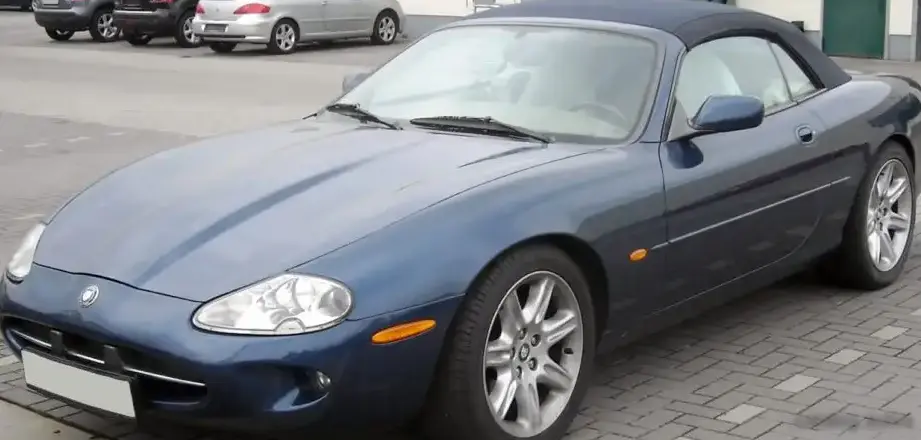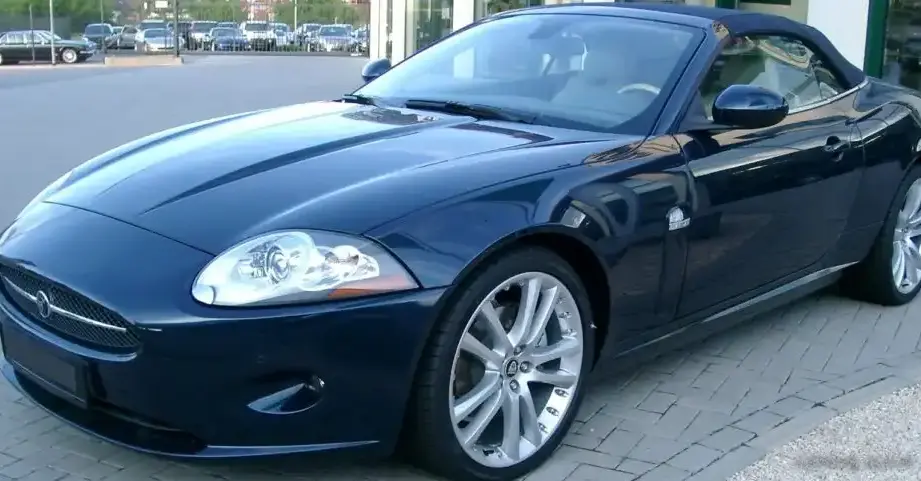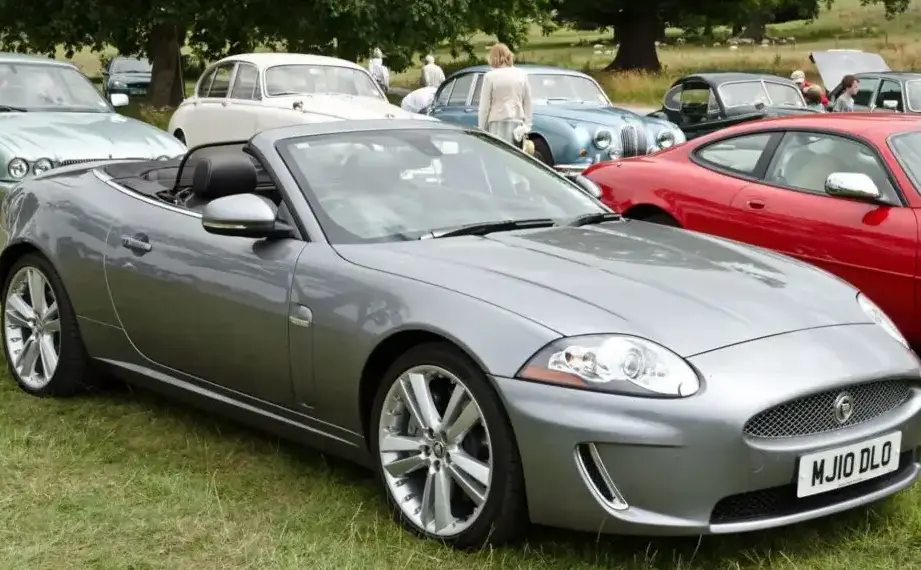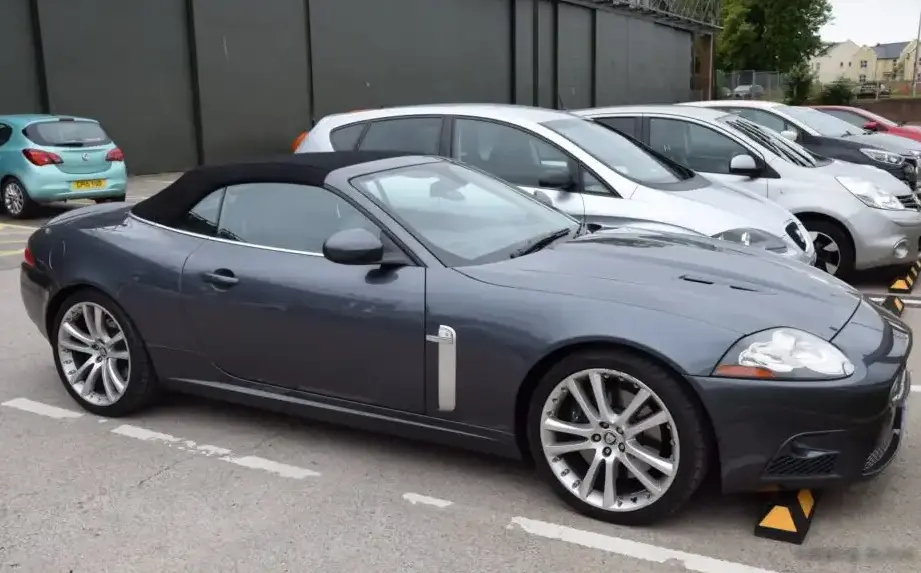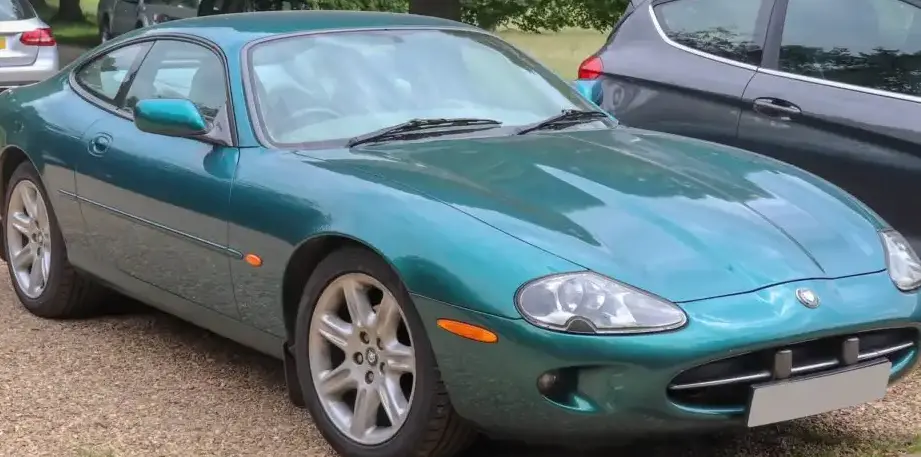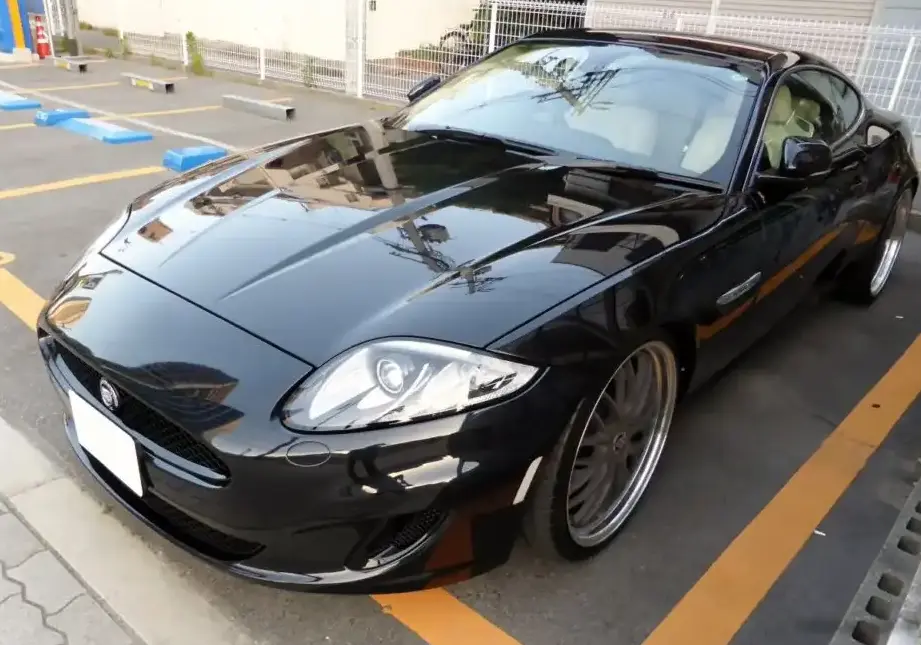
The Jaguar XK R-S Coupe, produced from 2011 to 2014, represents the highest-performance variant of the X150 generation XK. Positioned as the flagship model, the R-S (Racing Sport) offered a significant increase in power and handling prowess compared to the standard XK and the XKR. Built upon the Jaguar XK platform (X150) which debuted in 2006 and received a facelift in 2009, the R-S was a final, potent expression of the grand touring coupe before the introduction of the F-Type. It aimed to compete with high-performance coupes from brands like Porsche and Aston Martin, offering a blend of British luxury and exhilarating performance.
Technical Specifications
| Brand | Jaguar |
| Model | XK |
| Generation | XK Coupe (X150, facelift 2011) |
| Type (Engine) | R-S 5.0 V8 (550 Hp) Automatic |
| Start of production | 2011 |
| End of production | 2014 |
| Powertrain Architecture | Internal Combustion engine |
| Body type | Coupe |
| Seats | 4 |
| Doors | 2 |
| Fuel consumption (economy) – urban (NEDC) | 18.9 l/100 km (12.4 US mpg, 14.9 UK mpg, 5.3 km/l) |
| Fuel consumption (economy) – extra urban (NEDC) | 8.6 l/100 km (27.4 US mpg, 32.8 UK mpg, 11.6 km/l) |
| Fuel consumption (economy) – combined (NEDC) | 12.3 l/100 km (19.1 US mpg, 23 UK mpg, 8.1 km/l) |
| CO2 emissions (NEDC) | 292 g/km |
| Fuel Type | Petrol (Gasoline) |
| Acceleration 0 – 100 km/h | 4.4 sec |
| Acceleration 0 – 62 mph | 4.4 sec |
| Acceleration 0 – 60 mph | 4.2 sec |
| Maximum speed | 300 km/h (186.41 mph), Electronically limited |
| Emission standard | Euro 5 |
| Weight-to-power ratio | 3.2 kg/Hp, 313.7 Hp/tonne |
| Weight-to-torque ratio | 2.6 kg/Nm, 387.9 Nm/tonne |
| Power | 550 Hp @ 6000-6500 rpm |
| Power per litre | 110 Hp/l |
| Torque | 680 Nm @ 2500-5500 rpm (501.54 lb.-ft. @ 2500-5500 rpm) |
| Engine layout | Front, Longitudinal |
| Engine Model/Code | AJ133 |
| Engine displacement | 5000 cm3 (305.12 cu. in.) |
| Number of cylinders | 8 |
| Engine configuration | V-engine |
| Cylinder Bore | 92.5 mm (3.64 in.) |
| Piston Stroke | 93 mm (3.66 in.) |
| Compression ratio | 9.5:1 |
| Number of valves per cylinder | 4 |
| Fuel injection system | Direct injection |
| Engine aspiration | Supercharger, Intercooler |
| Valvetrain | DOHC |
| Engine oil capacity | 7.25 l (7.66 US qt, 6.38 UK qt) |
| Coolant | 10 l (10.57 US qt, 8.8 UK qt) |
| Kerb Weight | 1753 kg (3864.7 lbs.) |
| Max. weight | 2145 kg (4728.92 lbs.) |
| Max load | 392 kg (864.21 lbs.) |
| Trunk (boot) space – minimum | 330 l (11.65 cu. ft.) |
| Fuel tank capacity | 70.6 l (18.65 US gal, 15.53 UK gal) |
| Length | 4804 mm (189.13 in.) |
| Width with mirrors folded | 1892 mm (74.49 in.) |
| Width including mirrors | 2028 mm (79.84 in.) |
| Height | 1312 mm (51.65 in.) |
| Wheelbase | 2752 mm (108.35 in.) |
| Ride height (ground clearance) | 100 mm (3.94 in.) |
| Minimum turning circle | 10.9 m (35.76 ft.) |
| Drivetrain Architecture | Rear wheel drive |
| Drive wheel | Rear wheel drive |
| Number of gears and type of gearbox | 6 gears, automatic transmission |
| Front suspension | Double wishbone, Transverse stabilizer |
| Rear suspension | Double wishbone, Transverse stabilizer |
| Front brakes | Ventilated discs, 380 mm |
| Rear brakes | Ventilated discs, 376 mm |
| Assisting systems | ABS (Anti-lock braking system) |
| Steering type | Steering rack and pinion |
| Power steering | Hydraulic Steering |
| Tires size | Front wheel tires: 255/35 R20, Rear wheel tires: 295/30 R20 |
| Wheel rims size | Front wheel rims: 9J x 20, Rear wheel rims: 10.5J x 20 |
Powertrain & Engine Architecture
At the heart of the XK R-S lies Jaguar’s 5.0-liter supercharged V8 engine, designated the AJ133. This engine is a significant evolution of the naturally aspirated 4.2-liter V8 it replaced, featuring a Roots-type supercharger with an intercooler for increased power and efficiency. The R-S variant boasts 550 horsepower at 6,000-6,500 rpm and 680 Nm (501.54 lb-ft) of torque between 2,500 and 5,500 rpm. Direct fuel injection and a dual overhead camshaft (DOHC) valvetrain contribute to the engine’s responsiveness and power delivery. The engine is longitudinally mounted at the front of the vehicle. The R-S exclusively utilized a ZF 6HP26 six-speed automatic transmission, calibrated for quicker shifts and more aggressive downchanges compared to the standard XK’s transmission. This transmission features a torque converter and allows for manual gear selection via steering wheel-mounted paddles.
Driving Characteristics
The XK R-S delivers a markedly different driving experience than its siblings. The increased power and revised transmission tuning result in significantly quicker acceleration – 0 to 60 mph in approximately 4.2 seconds and a limited top speed of 186 mph. The automatic transmission, while smooth, provides rapid gear changes in Sport mode, enhancing the sense of urgency. The R-S’s suspension, while retaining the double wishbone setup of other XK models, features stiffer springs and dampers, along with a thicker rear stabilizer bar, reducing body roll and improving handling precision. The steering is weighted and direct, providing good feedback to the driver. Compared to the XKR, the R-S feels more focused and less inclined towards outright comfort, prioritizing performance and driver engagement.
Equipment & Trim Levels
The XK R-S came standard with a comprehensive list of features, reflecting its position as the range-topping model. Interior appointments included premium leather upholstery, available in a range of colors, and unique R-S badging. Standard equipment included heated and ventilated front seats, a premium audio system, navigation, and bi-xenon headlights. Optional extras included a panoramic sunroof, adaptive cruise control, and various cosmetic enhancements. The interior trim generally featured carbon fiber accents to emphasize the car’s sporting intentions.
Chassis & Braking
The XK R-S utilizes a lightweight aluminum chassis, contributing to its relatively low curb weight of 1,753 kg (3,864.7 lbs). The suspension system employs double wishbones at both the front and rear, with transverse stabilizers to minimize body roll. Braking duties are handled by ventilated discs on all four wheels, measuring 380mm at the front and 376mm at the rear. The braking system is assisted by ABS (Anti-lock Braking System). The R-S’s suspension was tuned to provide a firmer ride than other XK variants, enhancing handling performance.
Market Reception & Comparison
The Jaguar XK R-S was generally well-received by automotive critics, praised for its powerful engine, engaging handling, and luxurious interior. However, some reviewers noted its relatively high price compared to competitors like the Porsche 911. Fuel economy, as expected for a high-performance V8, was not a strong point, with combined fuel consumption around 19.1 US mpg. Compared to the XKR, the R-S offered a more focused driving experience, but at the expense of some ride comfort. The standard XK, with its naturally aspirated V8, provided a more relaxed and fuel-efficient grand touring experience, appealing to a different type of buyer.
Legacy
The Jaguar XK R-S represents a high point in the XK lineage, showcasing Jaguar’s engineering capabilities and commitment to performance. While the AJ133 engine proved to be generally reliable, regular maintenance is crucial, particularly regarding the supercharger and cooling systems. On the used car market, the XK R-S commands a premium over other XK variants, reflecting its exclusivity and performance potential. It remains a desirable grand tourer for enthusiasts seeking a blend of British luxury, exhilarating performance, and a distinctive driving experience. The R-S paved the way for the more focused and technologically advanced Jaguar F-Type, which ultimately replaced the XK in Jaguar’s lineup.