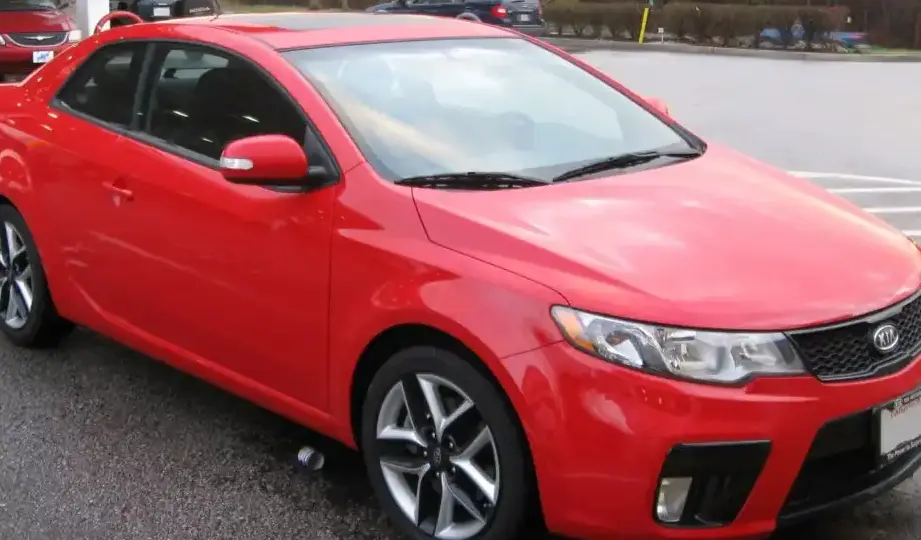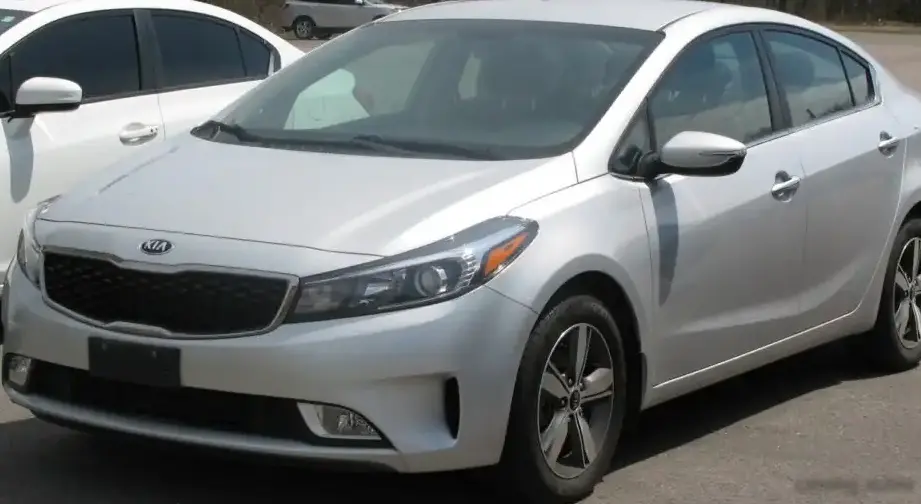
The Kia Forte II, specifically the facelifted version released in 2017, represented a significant step forward for the South Korean automaker in the competitive compact sedan segment. This iteration of the Forte, built from 2017 to 2018, aimed to offer a compelling blend of style, features, and value. Among the engine options available, the 2.0-liter naturally aspirated engine producing 147 horsepower was a popular choice, often paired with a six-speed automatic transmission. This configuration positioned itself as a mid-range offering, bridging the gap between the base engine and any potential higher-performance trims. The 2017-2018 Forte II was primarily marketed towards North American consumers seeking a reliable and affordable daily driver with a modern aesthetic.
Technical Specifications
| Brand | Kia |
| Model | Forte |
| Generation | Forte II (facelift 2017) |
| Type (Engine) | 2.0 (147 Hp) |
| Start of production | 2017 |
| End of production | 2018 |
| Powertrain Architecture | Internal Combustion engine |
| Body type | Sedan |
| Seats | 5 |
| Doors | 4 |
| Fuel consumption (economy) – urban | 9.4 l/100 km (25 US mpg, 30.1 UK mpg, 10.6 km/l) |
| Fuel consumption (economy) – combined | 6.8 l/100 km (34.6 US mpg, 41.5 UK mpg, 14.7 km/l) |
| Fuel Type | Petrol (Gasoline) |
| Weight-to-power ratio | 9 kg/Hp, 110.7 Hp/tonne |
| Weight-to-torque ratio | 7.4 kg/Nm, 134.8 Nm/tonne |
| Power | 147 Hp @ 6200 rpm |
| Torque | 179 Nm @ 4500 rpm (132.02 lb.-ft. @ 4500 rpm) |
| Engine layout | Front, Transverse |
| Number of cylinders | 4 |
| Engine configuration | Inline |
| Compression ratio | 12.5:1 |
| Number of valves per cylinder | 4 |
| Fuel injection system | Multi-port manifold injection |
| Engine aspiration | Naturally aspirated engine |
| Valvetrain | DOHC |
| Engine oil capacity | 4 l (4.23 US qt | 3.52 UK qt) |
| Coolant capacity | 6 l (6.34 US qt | 5.28 UK qt) |
| Kerb Weight | 1328 kg (2927.74 lbs.) |
| Max. weight | 1740 kg (3836.04 lbs.) |
| Max load | 412 kg (908.3 lbs.) |
| Trunk (boot) space – minimum | 421 l (14.87 cu. ft.) |
| Fuel tank capacity | 50 l (13.21 US gal | 11 UK gal) |
| Length | 4560 mm (179.53 in.) |
| Width | 1780 mm (70.08 in.) |
| Height | 1430 mm (56.3 in.) |
| Wheelbase | 2700 mm (106.3 in.) |
| Ride height (ground clearance) | 135 mm (5.31 in.) |
| Drivetrain Architecture | The Internal combustion engine (ICE) drives the front wheels of the vehicle. |
| Drive wheel | Front wheel drive |
| Number of gears and type of gearbox | 6 gears, automatic transmission |
| Front suspension | Independent, type McPherson with coil spring and anti-roll bar |
| Rear suspension | Semi-independent, coil spring |
| Front brakes | Ventilated discs |
| Rear brakes | Disc |
| Assisting systems | ABS (Anti-lock braking system) |
| Steering type | Steering rack and pinion |
| Power steering | Electric Steering |
Powertrain & Engine Architecture
The heart of this Forte variant is the 2.0-liter inline-four cylinder engine, designated as a Nu engine within Kia’s portfolio. This engine utilizes a double overhead camshaft (DOHC) valvetrain with four valves per cylinder, contributing to its respectable power output. The engine employs multi-port fuel injection, a proven technology that delivers fuel directly into the intake manifold. The 12.5:1 compression ratio is relatively high for a naturally aspirated engine, aiding in thermal efficiency and power production. The engine is transversely mounted in the front of the vehicle, driving the front wheels. Paired with this engine is a six-speed automatic transmission. This transmission was chosen for its smooth operation and ease of use, appealing to a broader range of drivers. While not offering the engagement of a manual gearbox, the automatic provided convenient shifting and contributed to a more relaxed driving experience.
Driving Characteristics
The 2.0-liter engine and six-speed automatic combination in the 2017-2018 Kia Forte delivered adequate performance for everyday driving. Acceleration was reasonable, though not particularly sporty. The engine produced peak horsepower at 6200 rpm and peak torque at 4500 rpm, meaning drivers needed to utilize a significant portion of the engine’s rev range to achieve optimal acceleration. The automatic transmission was tuned for fuel efficiency and smooth shifts, sometimes at the expense of responsiveness. Compared to a manual transmission equipped Forte, the automatic version felt slightly less engaging and offered a slower 0-60 mph time. However, it provided a more comfortable and convenient driving experience, particularly in stop-and-go traffic. The gear ratios were optimized for highway cruising, allowing for relaxed and efficient long-distance travel.
Equipment & Trim Levels
The 2.0-liter automatic Forte typically came standard with a respectable array of features. These included air conditioning, power windows and locks, a rearview camera, and a basic audio system with a touchscreen display. Higher trim levels, such as the EX, added features like alloy wheels, a sunroof, upgraded audio systems, and advanced safety technologies like lane departure warning and automatic emergency braking. Interior upholstery was typically cloth, with leather options available on higher trims. The dashboard layout was functional and user-friendly, with logically placed controls. Optional extras included navigation systems, premium sound systems, and various cosmetic enhancements.
Chassis & Braking
The 2017-2018 Kia Forte II utilized a McPherson strut front suspension and a semi-independent coil spring rear suspension. This setup provided a comfortable ride quality, absorbing bumps and imperfections in the road effectively. The front suspension incorporated an anti-roll bar to reduce body roll during cornering. Braking duties were handled by ventilated discs at the front and solid discs at the rear. The inclusion of ABS (Anti-lock Braking System) was standard, enhancing safety and control during emergency braking situations. The electric power steering provided light and easy steering effort, making it convenient for maneuvering in urban environments.
Market Reception & Comparison
Critics generally viewed the 2.0-liter automatic Kia Forte as a solid and practical choice in the compact sedan segment. It was praised for its value, comfortable ride, and user-friendly features. However, some reviewers noted that the engine lacked the punch of some competitors and that the automatic transmission could feel sluggish at times. In terms of fuel economy, the 2.0-liter automatic Forte achieved around 34.6 US mpg combined, which was competitive with other similarly sized sedans. Reliability was generally good, with few reported issues with the powertrain. Compared to the base 1.6-liter engine, the 2.0-liter offered a noticeable improvement in performance. Compared to potential higher-performance trims (if offered), the 2.0L automatic prioritized fuel efficiency and comfort over outright speed.
Legacy
The 2.0-liter engine and six-speed automatic transmission combination in the 2017-2018 Kia Forte has proven to be a relatively reliable powertrain. These vehicles are now commonly found on the used car market, often at attractive price points. While not known for exceptional performance or groundbreaking technology, the Forte II offered a dependable and affordable transportation solution. Maintenance costs are generally reasonable, and parts availability is good. The engine is known to be durable if properly maintained, with regular oil changes and adherence to the manufacturer’s recommended service intervals. The Forte II, in this configuration, remains a viable option for budget-conscious buyers seeking a practical and reliable compact sedan.