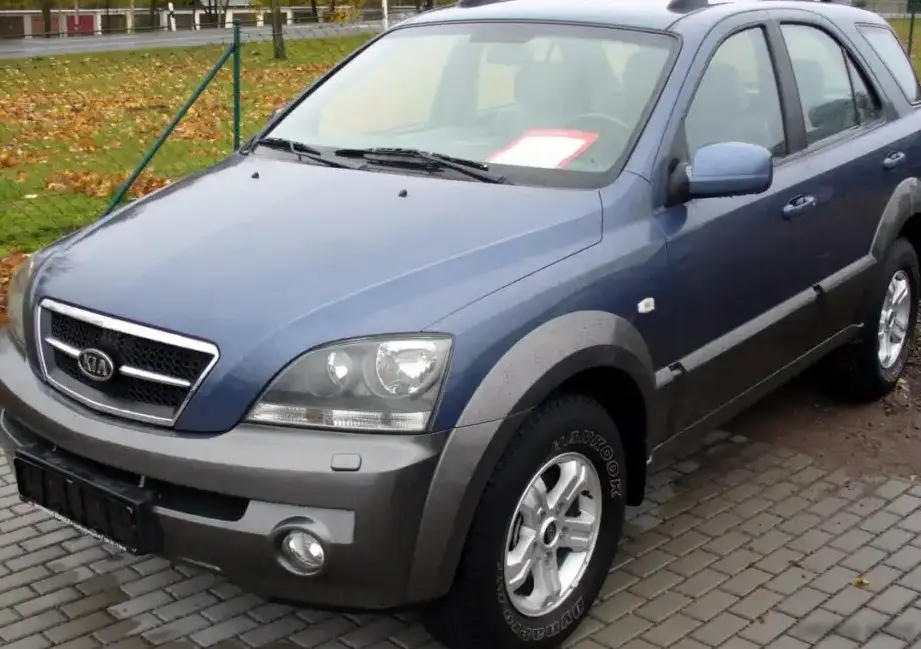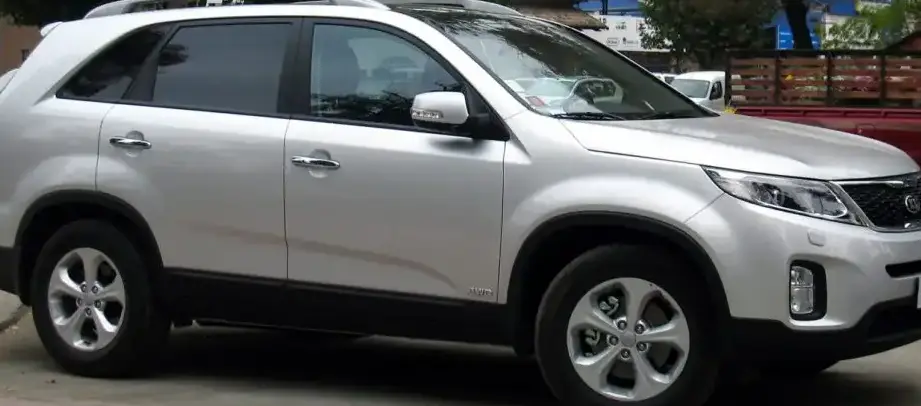
The Kia Sorento II, specifically the facelifted version introduced in 2012, represented a significant step forward for the Korean automaker in the competitive mid-size SUV segment. This iteration, produced through 2014, offered a blend of practicality, comfort, and increasingly sophisticated technology. Among the engine options available, the 2.2D 16V CRDi producing 197 horsepower and paired with a six-speed manual transmission, and a four-wheel drive system, occupied a prominent position, appealing to buyers seeking a balance between fuel efficiency and capable all-weather performance. This variant was positioned as a mid-range offering, bridging the gap between the base engine and potentially more luxurious trims.
Technical Specifications
| Brand | Kia |
| Model | Sorento |
| Generation | Sorento II (facelift 2012) |
| Type (Engine) | 2.2D 16V CRDi (197 Hp) 4WD |
| Start of production | 2012 |
| End of production | 2014 |
| Powertrain Architecture | Internal Combustion engine |
| Body type | SUV |
| Seats | 5-7 |
| Doors | 5 |
| Fuel consumption (urban) | 7.5 l/100 km (31.4 US mpg) |
| Fuel consumption (extra urban) | 5.2 l/100 km (45.2 US mpg) |
| Fuel consumption (combined) | 6.1 l/100 km (38.6 US mpg) |
| CO2 emissions | 159 g/km |
| Fuel Type | Diesel |
| Acceleration 0 – 100 km/h | 9.7 sec |
| Acceleration 0 – 62 mph | 9.7 sec |
| Acceleration 0 – 60 mph | 9.2 sec |
| Maximum speed | 190 km/h (118.06 mph) |
| Emission standard | Euro 5 |
| Weight-to-power ratio | 9.1 kg/Hp |
| Weight-to-torque ratio | 4.2 kg/Nm |
| Power | 197 Hp |
| Torque | 422 Nm @ 1800 rpm (311.25 lb.-ft. @ 1800 rpm) |
| Engine layout | Front, Transverse |
| Engine Model/Code | D4HB |
| Engine displacement | 2199 cm3 (134.19 cu. in.) |
| Number of cylinders | 4 |
| Engine configuration | Inline |
| Fuel injection system | Diesel Commonrail |
| Engine aspiration | Turbocharger, Intercooler |
| Engine oil capacity | 6.7 l (7.08 US qt | 5.9 UK qt) |
| Coolant capacity | 8.6 l (9.09 US qt | 7.57 UK qt) |
| Kerb Weight | 1787 kg (3939.66 lbs.) |
| Max. weight | 2510 kg (5533.6 lbs.) |
| Max load | 723 kg (1593.94 lbs.) |
| Trunk (boot) space – minimum | 515 l (18.19 cu. ft.) |
| Fuel tank capacity | 70 l (18.49 US gal | 15.4 UK gal) |
| Length | 4685 mm (184.45 in.) |
| Width | 1885 mm (74.21 in.) |
| Height | 1745 mm (68.7 in.) |
| Wheelbase | 2700 mm (106.3 in.) |
| Minimum turning circle | 10.9 m (35.76 ft.) |
| Drive wheel | All wheel drive (4×4) |
| Number of gears | 6 |
| Gearbox type | Manual transmission |
| Assisting systems | ABS (Anti-lock braking system) |
| Steering type | Steering rack and pinion |
| Power steering | Electric Steering |
| Tires size | 235/65 R17; 235/60 R18; 235/55 R19 |
| Wheel rims size | 17; 18; 19 |
Powertrain & Engine Architecture
At the heart of this Sorento variant lies the D4HB 2.2-liter inline-four cylinder diesel engine. This engine is a member of Kia’s robust diesel family, utilizing a common-rail direct injection system for optimized fuel delivery and combustion efficiency. The 16-valve configuration, coupled with a turbocharger and intercooler, allows for a respectable 197 horsepower and a substantial 422 Nm (311 lb-ft) of torque. The torque peak, available from just 1800 rpm, provides strong low-end and mid-range acceleration, making it well-suited for everyday driving and towing. The six-speed manual transmission was chosen to provide the driver with more control over the engine’s powerband, and to enhance fuel economy compared to an automatic option.
Driving Characteristics
The 2.2D 4WD Sorento offered a composed and capable driving experience. While not a performance-oriented SUV, the engine’s torque output provided ample power for merging onto highways and overtaking slower traffic. The six-speed manual transmission allowed drivers to keep the engine in its optimal power range, resulting in responsive acceleration. The all-wheel-drive system enhanced traction in inclement weather conditions, providing added confidence on slippery roads. Compared to the base engine options, this 2.2D variant offered a noticeable improvement in performance, while remaining more economical than the larger displacement engines. The manual transmission, while engaging for some drivers, might have been seen as less convenient than an automatic by others.
Equipment & Trim Levels
The 2012-2014 Sorento II facelift offered a range of equipment depending on the specific trim level. The 2.2D 4WD typically included features such as air conditioning, power windows and locks, a basic audio system with USB connectivity, and alloy wheels. Higher trim levels added features like leather upholstery, a sunroof, a more advanced audio system with navigation, and parking sensors. Safety features such as ABS, electronic stability control, and multiple airbags were standard across the range. The interior design was functional and well-built, with a focus on practicality and durability.
Chassis & Braking
The Sorento II utilized a conventional front MacPherson strut and rear multi-link suspension setup. This configuration provided a comfortable ride quality while maintaining reasonable handling characteristics. The four-wheel-drive system employed a part-time system, allowing drivers to switch between two-wheel drive and four-wheel drive modes as needed. Braking duties were handled by ventilated front discs and solid rear discs. The braking system was adequate for the vehicle’s weight and performance, but not particularly sporty. Stabilizer bars were fitted front and rear to reduce body roll during cornering.
Market Reception & Comparison
The Kia Sorento II facelift was generally well-received by automotive critics. It was praised for its spacious interior, comfortable ride, and competitive pricing. The 2.2D engine was considered a good balance between performance and fuel economy. Compared to rivals like the Hyundai Santa Fe, Nissan X-Trail, and Toyota RAV4, the Sorento offered a compelling value proposition. Some critics noted that the interior materials were not as premium as those found in some competitors, but the overall build quality was considered to be good. Fuel economy figures of around 38.6 US mpg combined were competitive for its class.
Legacy
The Kia Sorento II, and particularly the 2.2D 4WD variant, has proven to be a relatively reliable vehicle in the used car market. The D4HB engine is known for its durability, provided it has been properly maintained. Common issues include wear and tear on suspension components and potential problems with the diesel particulate filter (DPF) if the vehicle has been primarily used for short trips. Overall, this Sorento variant represents a solid choice for buyers seeking a practical, capable, and relatively affordable mid-size SUV. Its blend of fuel efficiency, all-wheel-drive capability, and spacious interior continues to make it a popular option in the used car market today.