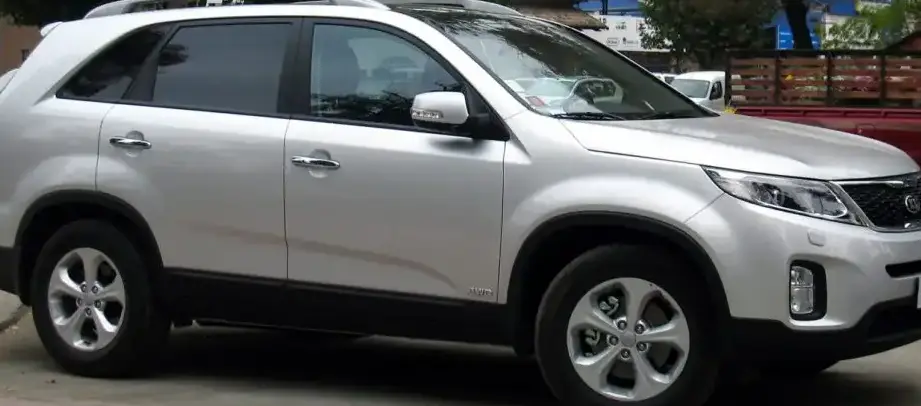
The Kia Sorento II, specifically the facelifted version introduced in 2012, represented a significant step forward for the Korean automaker in the competitive mid-size SUV segment. This generation Sorento (internally designated XM) aimed to bridge the gap between traditional body-on-frame SUVs and more modern, car-based crossovers. The 2.4i 16V GDi 4WD variant, produced from 2012 to 2014, occupied a middle ground in the Sorento lineup, offering a balance of fuel efficiency, performance, and all-weather capability. It was positioned as an alternative to the more powerful V6 models and the diesel options available in other markets, appealing to buyers prioritizing practicality and value.
Technical Specifications
| Brand | Kia |
| Model | Sorento |
| Generation | Sorento II (facelift 2012) |
| Type (Engine) | 2.4i 16V GDi (192 Hp) 4WD |
| Start of production | 2012 |
| End of production | 2014 |
| Powertrain Architecture | Internal Combustion engine |
| Body type | SUV |
| Seats | 5-7 |
| Doors | 5 |
| Fuel consumption (urban) | 12.5 l/100 km (18.8 US mpg, 22.6 UK mpg, 8 km/l) |
| Fuel consumption (extra urban) | 7.2 l/100 km (32.7 US mpg, 39.2 UK mpg, 13.9 km/l) |
| Fuel consumption (combined) | 9.1 l/100 km (25.8 US mpg, 31 UK mpg, 11 km/l) |
| CO2 emissions | 212 g/km |
| Fuel Type | Petrol (Gasoline) |
| Acceleration 0 – 100 km/h | 10.3 sec |
| Acceleration 0 – 62 mph | 10.3 sec |
| Acceleration 0 – 60 mph | 9.8 sec |
| Maximum speed | 190 km/h (118.06 mph) |
| Emission standard | Euro 5 |
| Weight-to-power ratio | 8.7 kg/Hp, 114.6 Hp/tonne |
| Weight-to-torque ratio | 6.9 kg/Nm, 144.5 Nm/tonne |
| Power | 192 Hp |
| Power per litre | 81.4 Hp/l |
| Torque | 242 Nm @ 4250 rpm (178.49 lb.-ft. @ 4250 rpm) |
| Engine layout | Front, Transverse |
| Engine Model/Code | G4KJ |
| Engine displacement | 2359 cm3 (143.96 cu. in.) |
| Number of cylinders | 4 |
| Engine configuration | Inline |
| Fuel injection system | Direct injection |
| Engine aspiration | Naturally aspirated engine |
| Engine oil capacity | 4.8 l (5.07 US qt | 4.22 UK qt) |
| Coolant capacity | 7.4 l (7.82 US qt | 6.51 UK qt) |
| Kerb Weight | 1675 kg (3692.74 lbs.) |
| Max. weight | 2510 kg (5533.6 lbs.) |
| Max load | 835 kg (1840.86 lbs.) |
| Trunk (boot) space – minimum | 515 l (18.19 cu. ft.) |
| Fuel tank capacity | 70 l (18.49 US gal | 15.4 UK gal) |
| Length | 4685 mm (184.45 in.) |
| Width | 1885 mm (74.21 in.) |
| Height | 1745 mm (68.7 in.) |
| Wheelbase | 2700 mm (106.3 in.) |
| Minimum turning circle | 10.9 m (35.76 ft.) |
| Drive wheel | All wheel drive (4×4) |
| Number of gears | 6 |
| Gearbox type | Manual transmission |
| Assisting systems | ABS (Anti-lock braking system) |
| Steering type | Steering rack and pinion |
| Power steering | Electric Steering |
| Tires size | 235/65 R17; 235/60 R18; 235/55 R19 |
| Wheel rims size | 17; 18; 19 |
Powertrain & Engine Architecture
The heart of the 2.4i GDi Sorento is the G4KJ engine, a 2.4-liter inline-four cylinder gasoline engine. This engine utilizes Gasoline Direct Injection (GDi) technology, which injects fuel directly into the combustion chamber, improving efficiency and power output compared to traditional port fuel injection systems. The G4KJ features a dual continuously variable valve timing (CVVT) system, optimizing valve timing for both intake and exhaust to enhance performance across the rev range. The engine produces 192 horsepower and 242 Nm (178 lb-ft) of torque. The six-speed manual transmission was standard on this variant, offering drivers more control over gear selection. The engine’s layout is front transverse, a common configuration for front-wheel-drive based SUVs like the Sorento.
Driving Characteristics
The 2.4-liter engine, paired with the six-speed manual transmission, provided adequate, though not exhilarating, performance. Acceleration from 0-60 mph took approximately 9.8 seconds, making it competitive within its class but slower than the V6-powered Sorentos. The manual gearbox allowed for precise control, and the engine delivered a reasonably linear power band. The all-wheel-drive system provided enhanced traction in inclement weather, making it a practical choice for drivers in regions with snow or rain. Compared to the automatic transmission options available on other Sorento trims, the manual offered a more engaging driving experience and slightly improved fuel economy. However, it lacked the convenience of an automatic, which was preferred by many buyers in this segment.
Equipment & Trim Levels
The 2.4i GDi 4WD trim typically included standard features such as air conditioning, power windows and locks, a basic audio system with USB connectivity, and alloy wheels. Safety features included ABS, electronic stability control, and multiple airbags. Higher trim levels offered upgrades like leather upholstery, a sunroof, a more advanced audio system, and rear parking sensors. The interior design was functional and relatively spacious, offering seating for up to seven passengers depending on the configuration. The dashboard layout was straightforward and easy to use, with clearly labeled controls.
Chassis & Braking
The Sorento II utilized a MacPherson strut front suspension and a multi-link rear suspension, providing a comfortable ride quality. The all-wheel-drive system employed a dynamic torque distribution system, automatically adjusting the power split between the front and rear wheels based on driving conditions. Braking duties were handled by ventilated front discs and solid rear discs. The steering was rack-and-pinion with electric power assistance, offering a responsive and precise feel. Stabilizer bars were fitted to both the front and rear axles to reduce body roll during cornering.
Market Reception & Comparison
The 2.4i GDi 4WD Sorento was generally well-received by automotive critics as a practical and value-oriented SUV. It offered a good balance of fuel efficiency, performance, and features for its price point. However, some reviewers noted that the engine could feel underpowered when fully loaded or when climbing steep hills. Compared to the V6 models, the 2.4-liter engine offered significantly better fuel economy, but at the expense of performance. The diesel options, popular in Europe, provided even greater fuel efficiency and torque, but were not available in the US market. The manual transmission was a selling point for driving enthusiasts, but it limited the Sorento’s appeal to a broader audience.
Legacy
The Kia Sorento II, including the 2.4i GDi 4WD variant, played a crucial role in establishing Kia as a major player in the global automotive market. The G4KJ engine proved to be relatively reliable, with few widespread mechanical issues reported. Today, used examples of this Sorento are readily available and generally offer good value for money. While not as sought-after as some of the higher-performance trims, the 2.4i GDi 4WD remains a practical and affordable option for buyers seeking a capable and fuel-efficient mid-size SUV. Its longevity and relatively low maintenance costs contribute to its continued presence on the used car market.