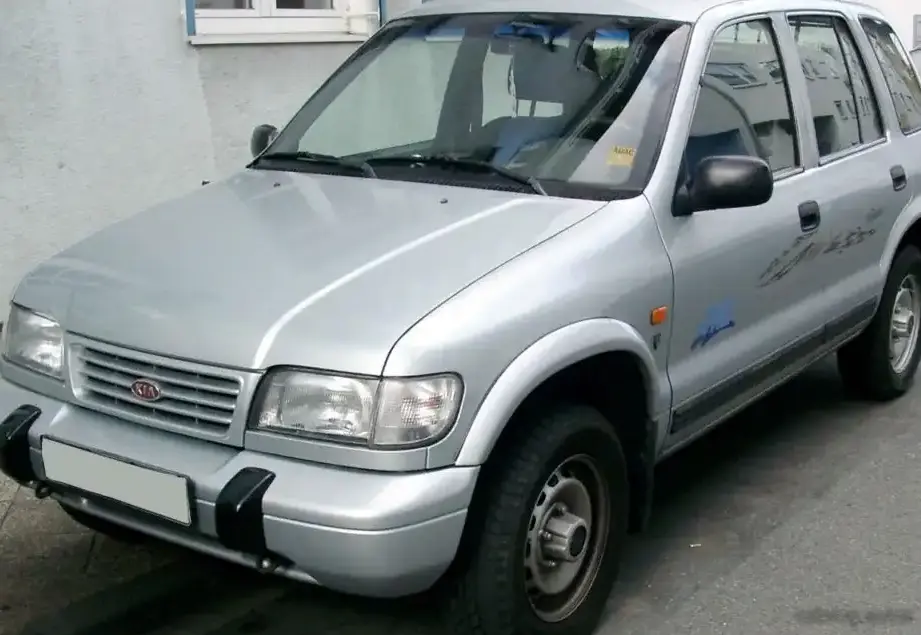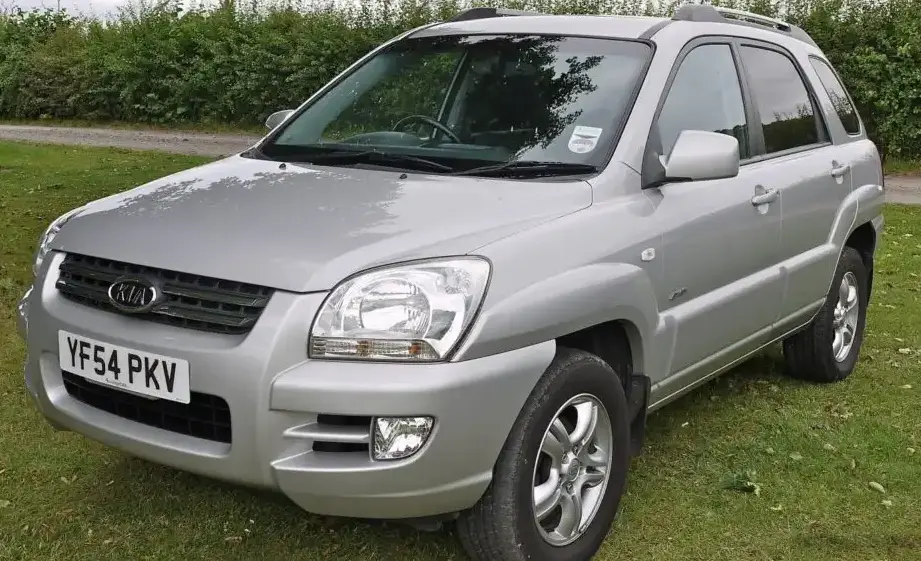
The Kia Sportage II 2.0i 16V, produced between 2004 and 2008, represented a significant step forward for Kia in the increasingly competitive compact SUV segment. Part of the second generation (codename: JE), this variant offered a balance between affordability, practicality, and a reasonably capable all-wheel-drive system. Positioned as a mid-range offering within the Sportage II lineup, it sat between the base model and the more powerful V6 options available in some markets. The Sportage II aimed to broaden Kia’s appeal beyond its traditional budget-focused image, targeting buyers seeking a versatile vehicle for both daily commuting and light off-road adventures. This model was primarily sold in Europe, Asia, and select markets in South America, with limited availability in North America where the larger Sportage V6 was favored.
Technical Specifications
| Brand | Kia |
| Model | Sportage |
| Generation | Sportage II |
| Type (Engine) | 2.0 i 16V (141 Hp) |
| Start of production | 2004 |
| End of production | 2008 |
| Powertrain Architecture | Internal Combustion engine |
| Body type | SUV |
| Seats | 5 |
| Doors | 5 |
| Fuel consumption (urban) | 10.6 l/100 km (22.2 US mpg) |
| Fuel consumption (extra urban) | 6.8 l/100 km (34.6 US mpg) |
| Fuel consumption (combined) | 8.2 l/100 km (28.7 US mpg) |
| Fuel Type | Petrol (Gasoline) |
| Acceleration 0 – 100 km/h | 11.3 sec |
| Acceleration 0 – 62 mph | 11.3 sec |
| Acceleration 0 – 60 mph | 10.7 sec |
| Maximum speed | 174 km/h (108.12 mph) |
| Weight-to-power ratio | 12 kg/Hp |
| Weight-to-torque ratio | 9.2 kg/Nm |
| Power | 141 Hp @ 6000 rpm |
| Torque | 184 Nm @ 4500 rpm (135.71 lb.-ft. @ 4500 rpm) |
| Engine layout | Front, Transverse |
| Engine Model/Code | G4GC |
| Engine displacement | 1975 cm3 (120.52 cu. in.) |
| Number of cylinders | 4 |
| Engine configuration | Inline |
| Cylinder Bore | 82 mm (3.23 in.) |
| Piston Stroke | 93.5 mm (3.68 in.) |
| Compression ratio | 10.1:1 |
| Number of valves per cylinder | 4 |
| Fuel injection system | Multi-port manifold injection |
| Engine aspiration | Naturally aspirated engine |
| Valvetrain | OHC |
| Engine oil capacity | 4 l (4.23 US qt | 3.52 UK qt) |
| Coolant capacity | 7 l (7.4 US qt | 6.16 UK qt) |
| Kerb Weight | 1696 kg (3739.04 lbs.) |
| Max. weight | 2140 kg (4717.89 lbs.) |
| Max load | 444 kg (978.85 lbs.) |
| Fuel tank capacity | 58 l (15.32 US gal | 12.76 UK gal) |
| Length | 4350 mm (171.26 in.) |
| Width | 1840 mm (72.44 in.) |
| Height | 1730 mm (68.11 in.) |
| Wheelbase | 2630 mm (103.54 in.) |
| Front track | 1550 mm (61.02 in.) |
| Rear track | 1550 mm (61.02 in.) |
| Drive wheel | All wheel drive (4×4) |
| Number of gears | 5 |
| Gearbox type | Manual transmission |
| Front suspension | Spring Strut |
| Rear suspension | Double wishbone |
| Front brakes | Ventilated discs |
| Rear brakes | Disc |
| Assisting systems | ABS (Anti-lock braking system) |
| Steering type | Steering rack and pinion |
| Tires size | 235/60 R16 |
| Wheel rims size | 6.5 X 16 |
Powertrain & Engine Architecture
The heart of the Sportage II 2.0i 16V is the Kia-developed G4GC engine, a 1.975-liter inline-four cylinder gasoline engine. This engine utilizes a multi-point fuel injection system and a single overhead camshaft (SOHC) valvetrain, operating with four valves per cylinder. The G4GC was designed for reliability and reasonable fuel efficiency rather than outright performance. It produced 141 horsepower at 6000 rpm and 184 Nm (135.71 lb-ft) of torque at 4500 rpm. The engine’s design was relatively conventional for the early 2000s, prioritizing durability and ease of maintenance. Paired with this engine was a five-speed manual transmission, providing a direct and engaging driving experience. While an automatic transmission was offered in some markets, the manual was the more common configuration for this specific engine variant.
Driving Characteristics
The 2.0i 16V Sportage II offered a competent, if not particularly exciting, driving experience. The 141 hp engine provided adequate power for everyday driving, but acceleration was noticeably slower than the V6 models. The five-speed manual transmission allowed drivers to keep the engine in its optimal power band, but the relatively long gearing emphasized fuel economy over spirited performance. The all-wheel-drive system provided enhanced traction in slippery conditions, making it a capable vehicle for inclement weather or light off-road use. Compared to the automatic transmission equipped models, the manual offered a more connected feel and better fuel economy. The suspension was tuned for comfort, resulting in a relatively soft ride, but this also led to some body roll during cornering.
Equipment & Trim Levels
The 2.0i 16V Sportage II typically came equipped with a reasonable level of standard features. These included air conditioning, power windows and locks, and a basic audio system. Higher trim levels added features such as alloy wheels, a sunroof, and upgraded interior upholstery. Interior materials were generally durable but not luxurious, reflecting the vehicle’s price point. Safety features included ABS brakes and dual front airbags. Optional extras included a CD player, rear parking sensors, and a more advanced audio system.
Chassis & Braking
The Sportage II utilized a body-on-frame construction, providing a robust and durable chassis. The front suspension consisted of a MacPherson strut setup, while the rear employed a double wishbone configuration. Braking duties were handled by ventilated discs at the front and solid discs at the rear. The ABS system helped to maintain steering control during hard braking. The all-wheel-drive system was typically a part-time system, allowing drivers to switch between two-wheel drive and four-wheel drive modes as needed.
Market Reception & Comparison
The Kia Sportage II 2.0i 16V was generally well-received by critics as a practical and affordable SUV. It offered a good balance of features and capabilities for its price point. However, some reviewers noted that the engine lacked the power of its competitors, and the interior was somewhat basic. Compared to other SUVs in its class, such as the Honda CR-V and Toyota RAV4, the Sportage II offered a lower price but lacked the refinement and brand recognition of its Japanese rivals. Fuel economy was competitive, averaging around 28.7 US mpg in combined driving. Reliability was generally good, although some owners reported minor issues with the electrical system.
Legacy
The Kia Sportage II 2.0i 16V has proven to be a relatively reliable and durable vehicle. The G4GC engine is known for its longevity, and parts availability remains good. In the used car market, these Sportages are often sought after by buyers looking for an affordable and practical SUV. While not a performance standout, the 2.0i 16V offers a comfortable ride, decent fuel economy, and the added security of all-wheel drive. Its relatively simple mechanical design makes it a good choice for DIY mechanics. Today, well-maintained examples can still provide years of reliable service, representing a solid value proposition in the used car market.