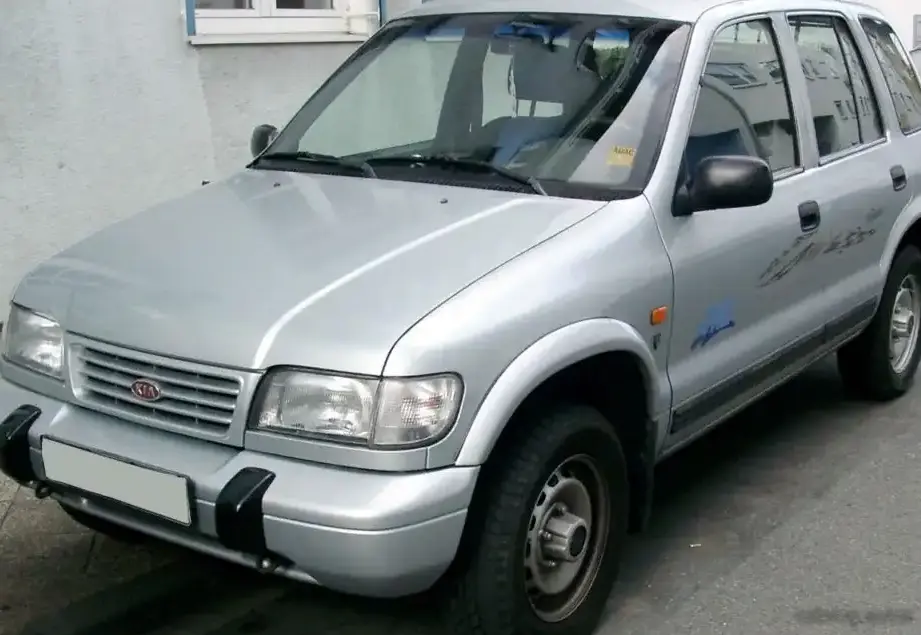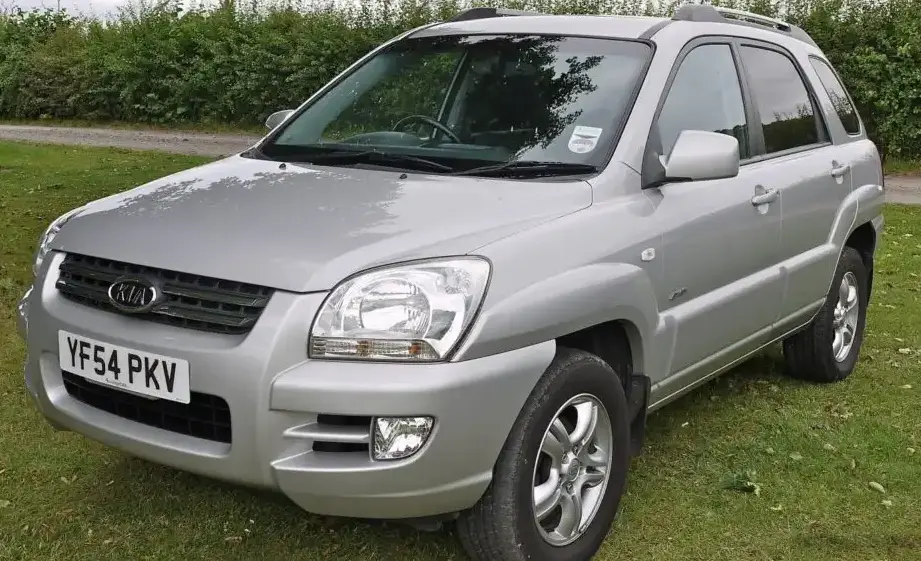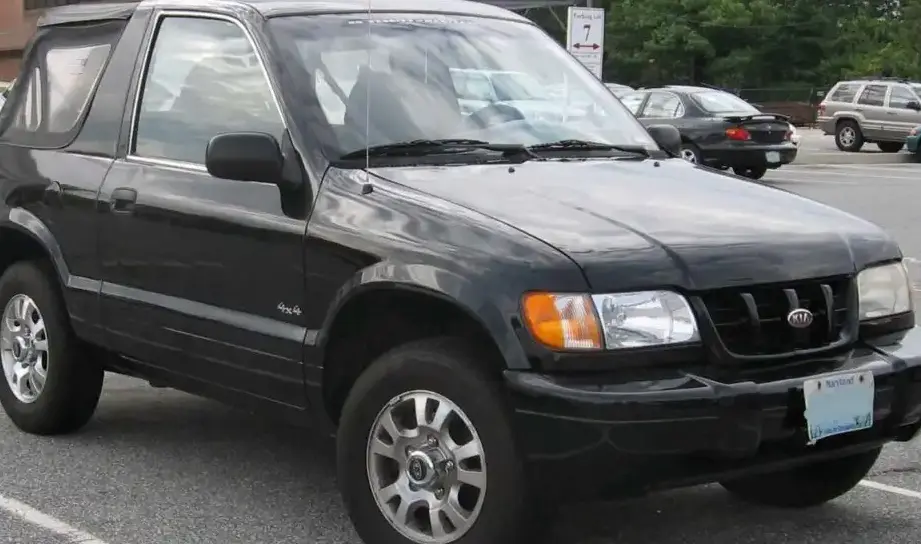
The Kia Sportage Soft Top I 2.0 i 16V, produced between 2000 and 2006, represents a unique offering within the first generation (codename: JE) of Kia’s popular Sportage SUV. This variant, distinguished by its removable soft top, aimed to blend the practicality of a compact SUV with the open-air experience of a convertible. Positioned as a mid-range option within the Sportage lineup, it catered to buyers seeking a more adventurous and distinctive vehicle than the standard hardtop models. The Sportage itself was Kia’s first dedicated SUV, and the Soft Top version was primarily marketed in Europe and select other markets, offering a relatively affordable entry point into the growing SUV segment.
Technical Specifications
| Brand | Kia |
| Model | Sportage |
| Generation | Sportage Soft Top I |
| Type (Engine) | 2.0 i 16V (118 Hp) |
| Start of production | 2000 year |
| End of production | 2006 year |
| Powertrain Architecture | Internal Combustion engine |
| Body type | SUV |
| Seats | 5 |
| Doors | 3 |
| Fuel consumption (urban) | 13.6 l/100 km (17.3 US mpg, 20.8 UK mpg, 7.4 km/l) |
| Fuel consumption (extra urban) | 8.3 l/100 km (28.3 US mpg, 34 UK mpg, 12 km/l) |
| Fuel Type | Petrol (Gasoline) |
| Acceleration 0 – 100 km/h | 14.7 sec |
| Acceleration 0 – 62 mph | 14.7 sec |
| Acceleration 0 – 60 mph | 14 sec |
| Maximum speed | 172 km/h (106.88 mph) |
| Weight-to-power ratio | 11.6 kg/Hp, 86.4 Hp/tonne |
| Weight-to-torque ratio | 8.2 kg/Nm, 121.6 Nm/tonne |
| Power | 118 Hp @ 5300 rpm |
| Power per litre | 59.1 Hp/l |
| Torque | 166 Nm @ 4500 rpm (122.44 lb.-ft. @ 4500 rpm) |
| Engine layout | Front, Longitudinal |
| Engine Model/Code | FE |
| Engine displacement | 1998 cm3 (121.93 cu. in.) |
| Number of cylinders | 4 |
| Engine configuration | Inline |
| Cylinder Bore | 86 mm (3.39 in.) |
| Piston Stroke | 86 mm (3.39 in.) |
| Compression ratio | 9.2:1 |
| Number of valves per cylinder | 4 |
| Fuel injection system | Multi-port manifold injection |
| Engine aspiration | Naturally aspirated engine |
| Engine oil capacity | 4.3 l (4.54 US qt | 3.78 UK qt) |
| Coolant | 7.5 l (7.93 US qt | 6.6 UK qt) |
| Kerb Weight | 1365 kg (3009.31 lbs.) |
| Max. weight | 1900 kg (4188.78 lbs.) |
| Max load | 535 kg (1179.47 lbs.) |
| Trunk (boot) space – minimum | 247 l (8.72 cu. ft.) |
| Trunk (boot) space – maximum | 1032 l (36.44 cu. ft.) |
| Fuel tank capacity | 53 l (14 US gal | 11.66 UK gal) |
| Length | 4025 mm (158.46 in.) |
| Width | 1764 mm (69.45 in.) |
| Height | 1650 mm (64.96 in.) |
| Wheelbase | 2360 mm (92.91 in.) |
| Front track | 1440 mm (56.69 in.) |
| Rear (Back) track | 1440 mm (56.69 in.) |
| Drive wheel | All wheel drive (4×4) |
| Number of gears and type of gearbox | 5 gears, manual transmission |
| Front suspension | Double wishbone |
| Rear suspension | Spring Strut |
| Front brakes | Ventilated discs |
| Rear brakes | Drum |
| Power steering | Hydraulic Steering |
| Tires size | 205/70 R15 |
Powertrain & Engine Architecture
The 2.0 i 16V engine, designated as the FE series by Kia, is a naturally aspirated, four-cylinder inline engine. This engine, common in several Hyundai and Kia models of the era, features a multi-port fuel injection system and a single overhead camshaft (SOHC) design operating four valves per cylinder. The 16V designation refers to the total number of valves. The engine produces 118 horsepower at 5300 rpm and 166 Nm (122.44 lb-ft) of torque at 4500 rpm. The engine’s longitudinal mounting within the chassis was a common layout for four-wheel-drive vehicles of this period. The Sportage Soft Top I utilized a five-speed manual transmission as standard, delivering power to all four wheels. The transmission was chosen for its balance of cost-effectiveness and durability, rather than outright performance.
Driving Characteristics
The 2.0-liter engine paired with the five-speed manual transmission in the Sportage Soft Top I delivered adequate, but not exhilarating, performance. Acceleration from 0 to 60 mph took approximately 14 seconds, and the top speed was around 107 mph. The engine felt somewhat strained when pushed hard, particularly when fully loaded or tackling steep inclines. The gear ratios were tuned for fuel efficiency and everyday usability, rather than sporty driving. Compared to potential upgrades like a V6 engine (available in some Sportage markets), this 2.0L offered a more economical and accessible option, prioritizing fuel economy and lower running costs. The all-wheel-drive system provided enhanced traction in slippery conditions, making it a capable vehicle for light off-road use.
Equipment & Trim Levels
The Sportage Soft Top I 2.0 i 16V typically came with a reasonable level of standard equipment. This included power steering, central locking, electric front windows, and an AM/FM radio. Interior upholstery was generally cloth, with a relatively simple dashboard layout. Optional extras could include air conditioning, alloy wheels, and a more advanced audio system. The soft top itself was manually operated, requiring physical effort to raise and lower. Safety features were basic for the time, typically consisting of driver and passenger airbags and seatbelts.
Chassis & Braking
The Sportage Soft Top I utilized a body-on-frame construction, providing a robust and durable chassis. The front suspension employed a double wishbone setup, while the rear suspension featured a spring strut arrangement. This configuration aimed to balance ride comfort with handling stability. Braking duties were handled by ventilated discs at the front and drum brakes at the rear. Hydraulic power steering was standard, providing reasonable assistance at low speeds. The tires were typically 205/70 R15, offering a good compromise between on-road comfort and off-road grip.
Market Reception & Comparison
The Kia Sportage Soft Top I was generally well-received as a unique and affordable SUV option. Critics praised its distinctive styling and the added versatility of the soft top. However, the 2.0-liter engine was often criticized for its lack of power, particularly when compared to larger-engined competitors. Fuel economy was considered average for the class. Compared to the standard hardtop Sportage models, the Soft Top offered a more engaging driving experience but came with the compromise of increased wind noise and potential security concerns. The 1.8L and 2.4L engine options available in other markets offered different trade-offs between performance and fuel efficiency.
Legacy
The Kia Sportage Soft Top I, while not a high-volume seller, holds a special place in the model’s history. It demonstrated Kia’s willingness to experiment with different body styles and cater to niche markets. The FE engine proved to be relatively reliable, although regular maintenance is crucial for long-term durability. Today, well-maintained examples of the Sportage Soft Top I are becoming increasingly sought after by collectors and enthusiasts, particularly those who appreciate its unique character and retro appeal. The powertrain, while not particularly powerful by modern standards, is generally considered robust and capable of providing years of reliable service with proper care. Finding replacement parts can sometimes be challenging, but a growing aftermarket support network is helping to preserve these vehicles for future generations.