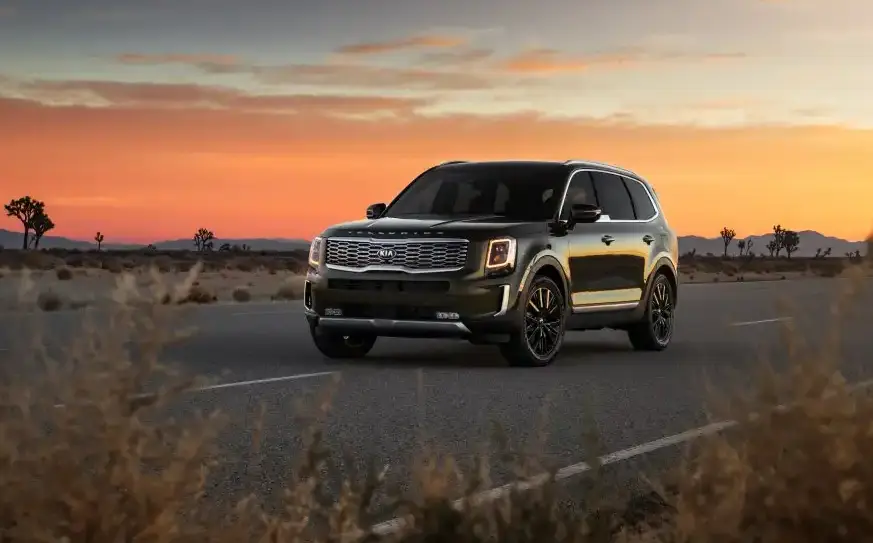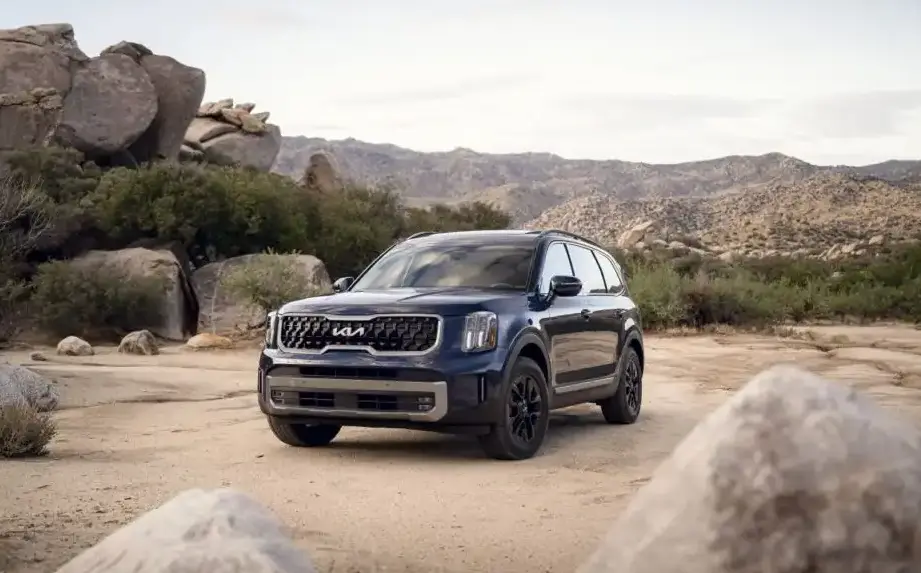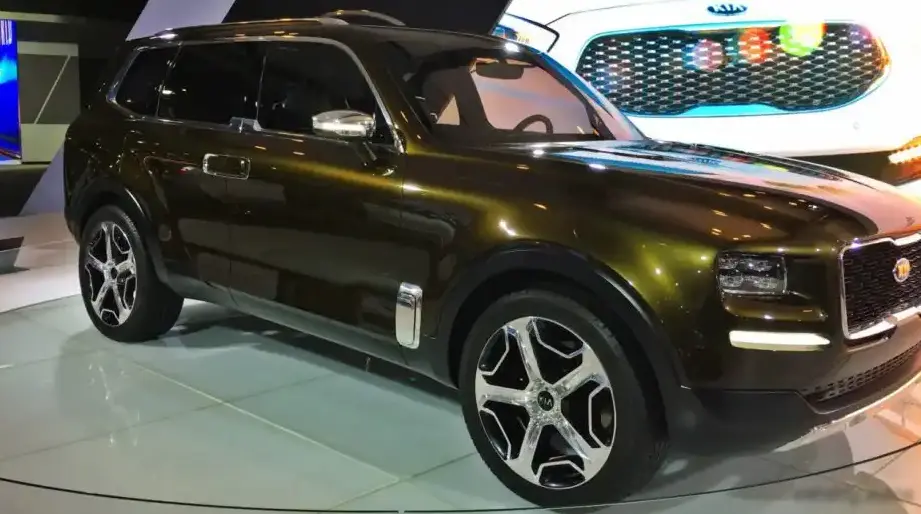
The Kia Telluride Concept 3.5 V6 (400 Hp) Hybrid AWD, showcased between 2016 and 2019, represented a significant statement of intent from Kia regarding their entry into the full-size SUV market. This concept vehicle, while not immediately entering production in its exact form, heavily influenced the design and engineering of the production Telluride that followed. It served as a technology demonstrator, particularly highlighting Kia’s advancements in hybrid powertrain technology and their ambition to compete with established players in the North American SUV segment. The concept previewed a spacious, family-oriented SUV with a focus on premium features and a powerful, yet efficient, drivetrain.
Technical Specifications
| Brand | Kia |
| Model | Telluride |
| Generation | Telluride Concept |
| Type (Engine) | 3.5 V6 (400 Hp) Hybrid AWD |
| Start of production | 2016 |
| End of production | 2019 |
| Powertrain Architecture | PHEV (Plug-in Hybrid Electric Vehicle) |
| Body type | SUV |
| Seats | 7 |
| Doors | 5 |
| Fuel consumption (extra urban) | 7.8 l/100 km (30.2 US mpg, 36.2 UK mpg, 12.8 km/l) |
| Fuel Type | Petrol / electricity |
| Electric motor power | 130 Hp |
| System power | 400 Hp |
| Internal combustion engine power | 270 Hp |
| Engine layout | Front, Transverse |
| Number of cylinders | 6 |
| Engine configuration | V-engine |
| Length | 5001 mm (196.89 in) |
| Width | 2009 mm (79.09 in) |
| Height | 1801 mm (70.91 in) |
| Wheelbase | 3081 mm (121.3 in) |
| Drive wheel | All wheel drive (4×4) |
| Tires size | 275/45 R22 112V |
| Wheel rims size | 22 |
Powertrain & Engine Architecture
The heart of the Telluride Concept was its 3.5-liter V6 engine, paired with a powerful electric motor and a battery pack, creating a plug-in hybrid electric vehicle (PHEV) system. The gasoline engine itself was a naturally aspirated V6, producing 270 horsepower. The electric motor contributed an additional 130 horsepower, bringing the total system output to a substantial 400 horsepower. This powertrain was designed to offer both strong performance and improved fuel efficiency. The engine utilized direct injection technology to optimize combustion and power delivery. While specific details regarding the transmission were not fully disclosed in the concept phase, it was anticipated to be an eight-speed automatic transmission, chosen for its smooth shifting and efficiency. The all-wheel-drive system was integral to the concept, providing enhanced traction and stability in various driving conditions. The placement of the battery pack and electric motor components was strategically designed to minimize intrusion into the passenger and cargo areas, maintaining the spaciousness expected of a full-size SUV.
Driving Characteristics
As a concept vehicle, the Telluride was primarily intended to showcase design and technology rather than provide a definitive driving experience. However, the projected performance characteristics, based on the powertrain specifications, suggested a vehicle capable of brisk acceleration and confident highway cruising. The combination of the V6 engine and electric motor would have delivered instant torque, enhancing responsiveness in city driving and providing ample power for overtaking maneuvers. The all-wheel-drive system would have contributed to stable handling and improved traction, particularly in inclement weather. The anticipated eight-speed automatic transmission would have been tuned for smooth and efficient gear changes, optimizing both performance and fuel economy. Compared to potential non-hybrid versions of the Telluride, this PHEV variant would have offered a quieter and more refined driving experience, particularly in electric-only mode. The electric motor assistance would also have reduced the load on the gasoline engine, potentially improving fuel efficiency.
Equipment & Trim Levels
The Telluride Concept was presented as a premium vehicle, showcasing a high level of equipment and luxurious features. The interior was designed with a focus on spaciousness and comfort, offering seating for seven passengers. The concept featured premium leather upholstery, accented with wood trim and metallic finishes. A large touchscreen display integrated into the dashboard served as the central control interface for the infotainment system. Other notable features included a panoramic sunroof, advanced driver-assistance systems, and a premium sound system. While the concept did not have defined trim levels, it represented the highest level of equipment and features that Kia envisioned for the Telluride. The overall design aesthetic was modern and sophisticated, reflecting Kia’s ambition to elevate its brand image.
Chassis & Braking
The Telluride Concept was built on a robust chassis designed to accommodate its size and weight. The suspension system was engineered to provide a comfortable ride while maintaining good handling characteristics. While specific details regarding the suspension components were not fully disclosed, it was anticipated to feature independent suspension on all four wheels. The braking system incorporated large-diameter rotors and multi-piston calipers to provide ample stopping power. The 22-inch alloy wheels, paired with 275/45 R22 tires, contributed to both the vehicle’s visual appeal and its grip on the road. The all-wheel-drive system further enhanced stability and control, particularly in challenging driving conditions.
Market Reception & Comparison
The Kia Telluride Concept received a positive reception from automotive critics and the public alike. It was praised for its bold design, spacious interior, and innovative hybrid powertrain. The concept demonstrated Kia’s ability to create a compelling SUV that could compete with established players in the full-size segment. Compared to other SUVs in its class, the Telluride Concept stood out with its unique styling and its focus on technology and efficiency. The PHEV powertrain offered a compelling alternative to traditional gasoline engines, appealing to environmentally conscious consumers. The concept’s spacious interior and premium features positioned it as a strong contender in the luxury SUV market.
Legacy
The Kia Telluride Concept played a pivotal role in the development of the production Telluride, which launched to critical acclaim in 2020. The production model retained many of the concept’s key design elements and features, including its spacious interior, bold exterior styling, and focus on technology. While the initial production models did not offer a plug-in hybrid powertrain, Kia has since introduced hybrid versions of the Telluride, fulfilling the promise of the original concept. The Telluride has become one of Kia’s best-selling models, demonstrating the success of the company’s strategy to enter the full-size SUV market. The concept’s legacy lives on in the production Telluride, which continues to be praised for its value, practicality, and stylish design. The powertrain, while evolving in the production model, set the stage for Kia’s commitment to electrification and sustainable mobility.