
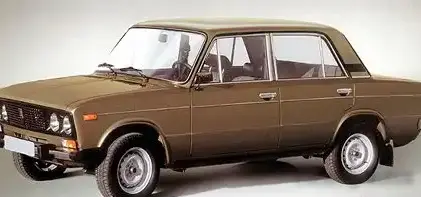
The Lada 21065 1.6, a variant of the Lada 2106, represents a significant evolution of the classic Soviet-era sedan. Produced from 1990 to 2001, the 21065 was a mainstay of the Eastern European automotive landscape and enjoyed modest export success. It built upon the foundation of the earlier 2106, offering a slightly modernized appearance and, in this specific configuration, a 1.6-liter engine paired with a five-speed manual transmission. This version occupied a middle ground in the 2106 lineup, offering a balance between affordability and acceptable performance for the time. The 2106 itself was based on the Fiat 124, a design licensed from Italy in the 1960s, and remained in production for decades with incremental updates.
Technical Specifications
| Brand | Lada |
| Model | 2106 |
| Generation | 21065 |
| Type (Engine) | 1.6 (75 Hp) |
| Start of production | 1990 year |
| End of production | 2001 year |
| Powertrain Architecture | Internal Combustion engine |
| Body type | Sedan |
| Seats | 5 |
| Doors | 4 |
| Fuel consumption (urban) | 10.3 l/100 km (22.8 US mpg, 27.4 UK mpg, 9.7 km/l) |
| Fuel consumption (extra urban) | 7.4 l/100 km (31.8 US mpg, 38.2 UK mpg, 13.5 km/l) |
| Fuel consumption (combined) | 10.1 l/100 km (23.3 US mpg, 28 UK mpg, 9.9 km/l) |
| Fuel Type | Petrol (Gasoline) |
| Acceleration 0 – 100 km/h | 16 sec |
| Acceleration 0 – 62 mph | 16 sec |
| Acceleration 0 – 60 mph | 15.2 sec |
| Maximum speed | 155 km/h (96.31 mph) |
| Weight-to-power ratio | 14 kg/Hp, 71.4 Hp/tonne |
| Weight-to-torque ratio | 9.1 kg/Nm, 110.5 Nm/tonne |
| Power | 75 Hp @ 5400 rpm |
| Power per litre | 47.8 Hp/l |
| Torque | 116 Nm @ 3000 rpm (85.56 lb.-ft. @ 3000 rpm) |
| Engine layout | Front, Longitudinal |
| Engine displacement | 1569 cm3 (95.75 cu. in.) |
| Number of cylinders | 4 |
| Engine configuration | Inline |
| Cylinder Bore | 79 mm (3.11 in.) |
| Piston Stroke | 80 mm (3.15 in.) |
| Compression ratio | 8.5:1 |
| Number of valves per cylinder | 2 |
| Fuel injection system | Carburettor |
| Engine aspiration | Naturally aspirated engine |
| Valvetrain | OHC |
| Kerb Weight | 1050 kg (2314.85 lbs.) |
| Max. weight | 1445 kg (3185.68 lbs.) |
| Max load | 395 kg (870.83 lbs.) |
| Trunk (boot) space – maximum | 325 l (11.48 cu. ft.) |
| Fuel tank capacity | 39 l (10.3 US gal | 8.58 UK gal) |
| Length | 4116 mm (162.05 in.) |
| Width | 1611 mm (63.43 in.) |
| Height | 1440 mm (56.69 in.) |
| Wheelbase | 2424 mm (95.43 in.) |
| Front track | 1365 mm (53.74 in.) |
| Rear (Back) track | 1321 mm (52.01 in.) |
| Drivetrain Architecture | The Internal combustion engine (ICE) drives the rear wheels of the vehicle. |
| Drive wheel | Rear wheel drive |
| Number of gears and type of gearbox | 5 gears, manual transmission |
| Front suspension | Double wishbone |
| Rear suspension | Coil spring |
| Front brakes | Disc |
| Rear brakes | Drum |
| Steering type | Worm-reduction unit |
| Tires size | 175/70 SR13 |
Powertrain & Engine Architecture
The heart of the 21065 1.6 is the Lada 1600 engine, a four-cylinder, inline configuration. While derived from the Fiat 124’s engine, it underwent numerous modifications over its lifespan. The 1.6-liter displacement (1569 cc) was achieved through a slightly larger bore and stroke compared to earlier iterations. Crucially, this variant utilized a carburetor fuel system, a common feature for vehicles of this era and market segment. The overhead camshaft (OHC) valvetrain operated two valves per cylinder. The engine produced 75 horsepower at 5400 rpm and 116 Nm (85.56 lb-ft) of torque at 3000 rpm. The five-speed manual transmission was a welcome upgrade over the earlier four-speed units, offering improved fuel efficiency and a wider range of gearing. The transmission’s gear ratios were geared towards providing adequate acceleration and cruising ability, though it wasn’t designed for particularly sporty performance.
Driving Characteristics
The 21065 1.6, with its 75 horsepower and rear-wheel-drive configuration, offered a driving experience that was typical of sedans from the 1990s. Acceleration was modest, taking around 16 seconds to reach 100 km/h (62 mph). The carburetor engine delivered power in a relatively linear fashion, but lacked the responsiveness of more modern fuel-injected systems. The five-speed manual transmission allowed drivers to keep the engine in its optimal power band, but the shift quality was often described as notchy. Compared to the more powerful (though less common) versions of the 2106, the 1.6 offered a more economical and accessible driving experience. It was also noticeably more nimble than the diesel-powered variants. The rear-wheel-drive layout provided a degree of handling balance, but the relatively soft suspension and limited grip of the tires meant it wasn’t a particularly sporty car.
Equipment & Trim Levels
The 21065 1.6 was generally equipped with basic, functional features. Standard equipment typically included cloth upholstery, a simple dashboard layout with analog gauges, and basic exterior trim. Options were limited but could include a radio, upgraded interior trim, and occasionally, a sunroof. The 21065 didn’t offer the same level of refinement or features as Western European or Japanese cars of the same era. However, it provided a reasonably comfortable and practical mode of transportation for its target market. The trim level was generally consistent across the 1.6-liter models, with variations primarily stemming from optional extras chosen by the buyer.
Chassis & Braking
The 21065 utilized a body-on-frame construction, a design common in older vehicles. The front suspension employed a double wishbone setup, while the rear suspension featured a coil spring arrangement. Braking was accomplished via disc brakes on the front wheels and drum brakes on the rear. The steering system was a worm-reduction unit, which provided a relatively heavy and imprecise steering feel. The tires were typically 175/70 SR13, offering adequate grip for everyday driving but lacking the performance of more modern tires. The chassis and braking system were designed for durability and simplicity rather than outright performance.
Market Reception & Comparison
The Lada 21065 1.6 was generally well-received in its primary markets – Eastern Europe and the Soviet Union (and later, Russia). It was valued for its affordability, reliability, and ease of maintenance. Critics often noted its outdated design and lack of modern features, but acknowledged its practicality and robustness. Compared to other trims in the 2106 lineup, the 1.6 offered a good balance between performance and fuel economy. The more powerful versions were more expensive and less fuel-efficient, while the diesel variants were slower and noisier. In terms of fuel economy, the 21065 1.6 achieved around 10.1 l/100 km combined, which was reasonable for a vehicle of its size and era.
Legacy
The Lada 21065 1.6, and the 2106 series as a whole, holds a significant place in automotive history, particularly in Eastern Europe. The powertrain, while simple, proved to be remarkably durable and reliable. Today, the 21065 is a popular choice among classic car enthusiasts and those seeking an affordable and easily maintained vehicle. Parts availability remains relatively good, and the car’s simple mechanical design makes it accessible to amateur mechanics. While not a performance icon, the Lada 21065 1.6 represents a bygone era of automotive engineering and continues to be appreciated for its practicality and enduring appeal.
