
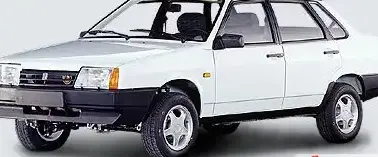
The Lada 21099-20 1.5i, producing 78 horsepower, represents a significant iteration within the Lada 2109 series, manufactured from 1994 to 2005. This model served as a mainstay in the Lada lineup, particularly in Eastern European and Russian markets, offering affordable transportation with a focus on practicality and durability. The 21099-20 was the final evolution of the original 2109, incorporating minor cosmetic and mechanical updates. This specific 1.5-liter, 78 hp variant was generally positioned as the entry-level offering, appealing to budget-conscious buyers. It was a common sight on the roads, known for its simplicity and ease of maintenance.
Technical Specifications
| Brand | Lada |
| Model | 2109 |
| Generation | 21099-20 |
| Type (Engine) | 1.5 i (78 Hp) |
| Start of production | 1994 year |
| End of production | 2005 year |
| Powertrain Architecture | Internal Combustion engine |
| Body type | Sedan |
| Seats | 5 |
| Doors | 4 |
| Fuel consumption (urban) | 8.1 l/100 km (29 US mpg, 34.9 UK mpg, 12.3 km/l) |
| Fuel Type | Petrol (Gasoline) |
| Acceleration 0 – 100 km/h | 14 sec |
| Acceleration 0 – 62 mph | 14 sec |
| Acceleration 0 – 60 mph | 13.3 sec |
| Maximum speed | 160 km/h (99.42 mph) |
| Weight-to-power ratio | 12.4 kg/Hp, 80.4 Hp/tonne |
| Weight-to-torque ratio | 8.4 kg/Nm, 118.6 Nm/tonne |
| Power | 78 Hp @ 5400 rpm |
| Power per litre | 52 Hp/l |
| Torque | 115 Nm @ 3000 rpm (84.82 lb.-ft. @ 3000 rpm) |
| Engine layout | Front, Transverse |
| Engine displacement | 1500 cm3 (91.54 cu. in.) |
| Number of cylinders | 4 |
| Engine configuration | Inline |
| Cylinder Bore | 82 mm (3.23 in.) |
| Piston Stroke | 71 mm (2.8 in.) |
| Compression ratio | 9.9:1 |
| Number of valves per cylinder | 2 |
| Fuel injection system | Multi-port manifold injection |
| Engine aspiration | Naturally aspirated engine |
| Valvetrain | OHC |
| Kerb Weight | 970 kg (2138.48 lbs.) |
| Max. weight | 1395 kg (3075.45 lbs.) |
| Max load | 425 kg (936.96 lbs.) |
| Trunk (boot) space – maximum | 400 l (14.13 cu. ft.) |
| Fuel tank capacity | 43 l (11.36 US gal | 9.46 UK gal) |
| Length | 4205 mm (165.55 in.) |
| Width | 1650 mm (64.96 in.) |
| Height | 1402 mm (55.2 in.) |
| Wheelbase | 2460 mm (96.85 in.) |
| Front track | 1400 mm (55.12 in.) |
| Rear (Back) track | 1370 mm (53.94 in.) |
| Drivetrain Architecture | The Internal combustion engine (ICE) drives the front wheels of the vehicle. |
| Drive wheel | Front wheel drive |
| Number of gears and type of gearbox | 5 gears, manual transmission |
| Front suspension | Spring Strut |
| Rear suspension | Coil spring |
| Front brakes | Disc |
| Rear brakes | Drum |
| Steering type | Steering rack and pinion |
| Tires size | 165/70 SR13 |
| Wheel rims size | 5J x 13 |
Powertrain & Engine Architecture
The heart of the 21099-20 1.5i is the Lada 2108 engine, a four-cylinder, inline engine with a displacement of 1499 cc. This engine, designated with codes like E15MDA, features a single overhead camshaft (OHC) operating two valves per cylinder. The fuel system utilizes multi-port fuel injection, a significant upgrade from the earlier carburetor-equipped Ladas, improving fuel efficiency and reducing emissions. While relatively simple in design, the engine proved to be robust and reliable. The 78 horsepower output is achieved at 5400 rpm, with a torque figure of 115 Nm (84.82 lb-ft) available at 3000 rpm. The engine’s compression ratio is 9.9:1. The standard transmission for this variant was a five-speed manual gearbox, designed for durability rather than sporty performance.
Driving Characteristics
The 21099-20 1.5i offered modest performance. Acceleration from 0 to 100 km/h (0-62 mph) took around 14 seconds, and the top speed was approximately 160 km/h (99 mph). The five-speed manual transmission was geared for economy, with relatively tall gear ratios. This resulted in a comfortable cruising experience but limited acceleration. Compared to the more powerful 1.6-liter versions or the later injection models, the 1.5i felt noticeably slower. However, its simplicity and predictable power delivery made it easy to drive, particularly in urban environments. The relatively light weight of the vehicle (around 970 kg or 2138 lbs) helped to mitigate the effects of the lower horsepower.
Equipment & Trim Levels
The 21099-20 1.5i typically came with a basic level of equipment. Standard features included cloth upholstery, a simple dashboard layout, and manual windows and door locks. Power steering was not standard on this trim level, though it was available as an option. Other optional extras included a radio, upgraded interior trim, and central locking. The interior was functional and durable, prioritizing practicality over luxury. The exterior featured basic steel wheels, black plastic bumpers, and minimal chrome trim. The overall aesthetic was utilitarian, reflecting the car’s affordable price point.
Chassis & Braking
The 21099-20 utilized a relatively simple chassis design. The front suspension consisted of MacPherson strut coil springs, while the rear suspension employed a trailing arm setup with coil springs. The braking system featured disc brakes on the front wheels and drum brakes on the rear. The steering was a rack and pinion system, providing adequate control. The suspension was tuned for comfort rather than sporty handling, resulting in a somewhat soft and compliant ride. The tires were typically 165/70 SR13, chosen for their affordability and durability.
Market Reception & Comparison
The Lada 21099-20 1.5i was well-received in its target markets as an affordable and reliable vehicle. Critics acknowledged its simplicity and ease of maintenance, but also noted its lack of refinement and relatively low performance. Compared to other trims in the 2109 lineup, such as the 1.6-liter versions, the 1.5i offered lower running costs but sacrificed performance. Fuel economy was reasonable for its time, averaging around 8.1 liters per 100 kilometers (29 US mpg). Reliability was generally good, although the car’s age and the quality of maintenance could significantly impact its longevity.
Legacy
The Lada 21099-20 1.5i remains a common sight on the roads in many Eastern European and Russian countries. Its simple design and robust powertrain have contributed to its longevity. While not known for its performance or luxury, it earned a reputation as a dependable and affordable means of transportation. In the used car market, these vehicles are typically very affordable, making them popular among those seeking a basic and inexpensive car. However, finding well-maintained examples can be challenging, and parts availability may become an issue as the cars age. The 21099-20 1.5i represents a significant chapter in Lada’s history, embodying the brand’s commitment to providing accessible transportation to a wide range of customers.
