
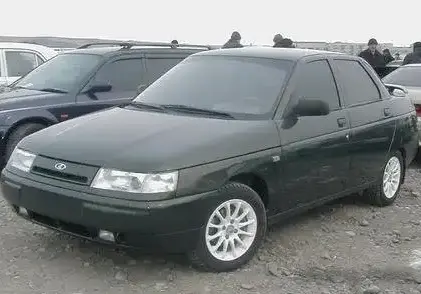
The Lada 21101 1.6i, produced between 2004 and 2007, represents a mid-cycle refresh of the Lada 2110 series, a mainstay of the Russian automotive market. This variant, characterized by its 1.6-liter inline-four engine producing 76 horsepower, served as a crucial entry point into the 2110 range, offering a balance of affordability and practicality for Russian drivers. The 2110 series itself was a significant step forward for AvtoVAZ, moving away from the heavily outdated designs of previous Lada models and incorporating more modern, albeit still relatively simple, technology. The 21101 designation specifically denotes models produced after a minor facelift, including improvements to interior trim and some mechanical refinements.
Technical Specifications
| Brand | Lada |
| Model | 2110 |
| Generation | 21101 |
| Type (Engine) | 1.6 i (76 Hp) |
| Start of Production | 2004 |
| End of Production | 2007 |
| Powertrain Architecture | Internal Combustion Engine |
| Body Type | Sedan |
| Fuel Type | Petrol (Gasoline) |
| Power | 76 Hp |
| Engine Aspiration | Naturally Aspirated |
| Engine Displacement | 1.596 Liters |
| Cylinders | 4 |
| Valves per Cylinder | 2 |
| Fuel System | Multi-Point Fuel Injection |
| Transmission | 5-Speed Manual (most common), 4-Speed Automatic (optional) |
| Drive Type | Front-Wheel Drive |
| Weight (approx.) | 1,020 – 1,100 kg (2,248 – 2,425 lbs) |
| Top Speed (approx.) | 160 km/h (99 mph) |
| 0-100 km/h (approx.) | 13-15 seconds |
Powertrain & Engine Architecture
The heart of the Lada 21101 1.6i is the VAZ-2110 engine, a 1.6-liter inline-four cylinder powerplant. This engine is a relatively simple design, featuring a cast iron block and an aluminum cylinder head. It utilizes a single overhead camshaft (SOHC) operating two valves per cylinder. Fuel delivery is managed by a multi-point fuel injection system, a significant upgrade from the carburetors found on earlier Lada models. While not particularly sophisticated, this system provided improved fuel efficiency and smoother operation. The engine’s relatively low compression ratio (around 9.0:1) allowed it to run reliably on the often-poor quality gasoline available in Russia. The 76 horsepower output is achieved at 5,400 rpm, with peak torque of approximately 118 lb-ft (160 Nm) at 3,800 rpm. A five-speed manual transmission was the most common pairing for this engine, but a four-speed automatic transmission was offered as an optional extra, though it was less frequently chosen due to its impact on fuel economy and performance. The automatic transmission was a Jatco unit, sourced from Japan, and represented one of the first attempts by AvtoVAZ to offer an automatic option in a mainstream model.
Driving Characteristics
The 21101 1.6i, particularly in its manual transmission guise, offered a utilitarian driving experience. Acceleration was modest, with 0-60 mph times taking around 13-15 seconds. The engine felt strained at higher speeds, and highway overtaking required careful planning. The automatic transmission version further diminished performance, resulting in noticeably slower acceleration and a less responsive feel. The four-speed automatic lacked the close ratios needed to keep the engine in its optimal power band. The suspension, consisting of MacPherson struts at the front and a twist beam axle at the rear, provided a comfortable, if somewhat imprecise, ride. Steering was light and lacked feedback. The car’s relatively light weight helped to mitigate the engine’s lack of power, making it reasonably maneuverable in urban environments. The gear ratios in the manual transmission were spaced to prioritize fuel economy and low-speed drivability over outright performance. The automatic transmission, while offering convenience, significantly dulled the driving experience.
Equipment & Trim Levels
The Lada 21101 1.6i typically represented the base trim level within the 2110 range. Standard equipment included basic cloth upholstery, a simple dashboard layout with analog gauges, and manual windows and door locks. Power steering was often an optional extra. Air conditioning was also available as an option, but was not standard. Interior plastics were durable but lacked refinement. Later models of the 21101 sometimes featured minor cosmetic upgrades, such as improved seat fabrics or a slightly revised dashboard design. The focus was firmly on providing a functional and affordable vehicle rather than luxury or advanced features. Optional extras included a basic radio cassette player and upgraded door cards with map pockets. The overall interior ambiance was spartan, reflecting the car’s budget-oriented positioning.
Chassis & Braking
The Lada 21101 utilized a relatively conventional chassis design. The front suspension employed MacPherson struts, while the rear suspension featured a torsion beam axle. This setup prioritized simplicity and cost-effectiveness over sophisticated handling. Braking was typically accomplished with disc brakes at the front and drum brakes at the rear. Anti-lock Braking System (ABS) was not standard equipment and was rarely fitted, even as an option. The car’s relatively light weight helped to compensate for the basic braking system. Stabilizer bars were fitted to both the front and rear axles to reduce body roll, but their effectiveness was limited. The steering system was a recirculating ball type, contributing to the vague steering feel.
Market Reception & Comparison
The Lada 21101 1.6i was primarily targeted at budget-conscious buyers in Russia and other Eastern European markets. It was praised for its affordability, reliability, and ease of maintenance. However, it was also criticized for its outdated design, lackluster performance, and lack of modern features. Compared to the more powerful 1.5 16V and 1.6 16V variants of the 2110, the 1.6i offered significantly less performance. The 1.5 16V, while still not a performance car, provided a noticeable improvement in acceleration and responsiveness. The 1.6 16V offered even more power, but at a higher price point. The 1.9 TDI diesel version, while more expensive, offered superior fuel economy and torque. The 1.6i’s main advantage was its lower purchase price and simpler mechanicals, making it a popular choice for first-time car buyers and those seeking a basic, dependable vehicle. The automatic transmission version, while offering convenience, was often seen as a detriment to the car’s already limited performance.
Legacy
The Lada 21101 1.6i, while not a technologically advanced vehicle, played a significant role in the Russian automotive landscape. Its robust construction and simple design contributed to its longevity and relatively low maintenance costs. Today, the 21101 1.6i is a common sight on Russian roads, often serving as a workhorse vehicle. Parts availability remains good, and the car’s simple mechanics make it relatively easy to repair. While not a collector’s item, well-maintained examples are increasingly sought after by enthusiasts who appreciate their affordability and nostalgic appeal. The powertrain, while basic, proved to be reasonably durable, and many examples have exceeded 200,000 kilometers (124,000 miles) without major mechanical issues. The 21101 1.6i represents a transitional period in Lada’s history, bridging the gap between the outdated designs of the past and the more modern vehicles that would follow. It remains a testament to the enduring appeal of simple, reliable, and affordable transportation.
