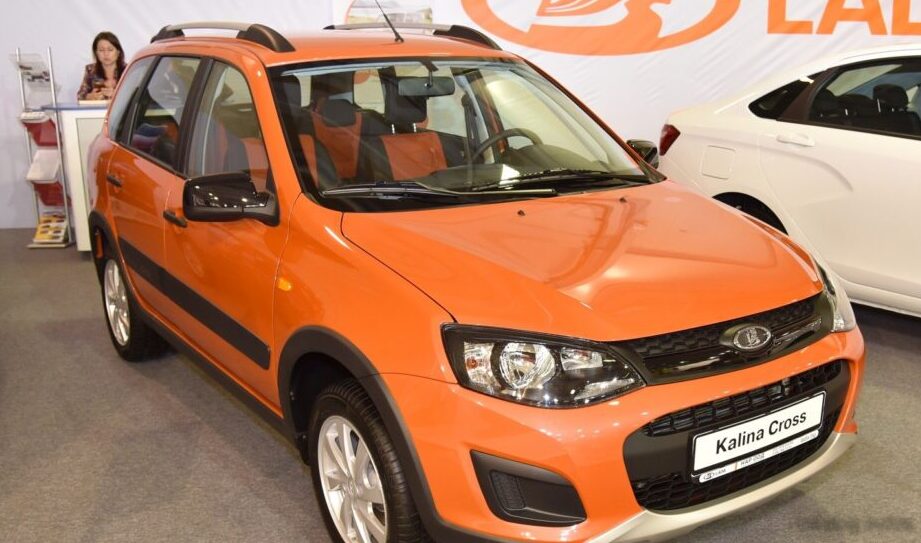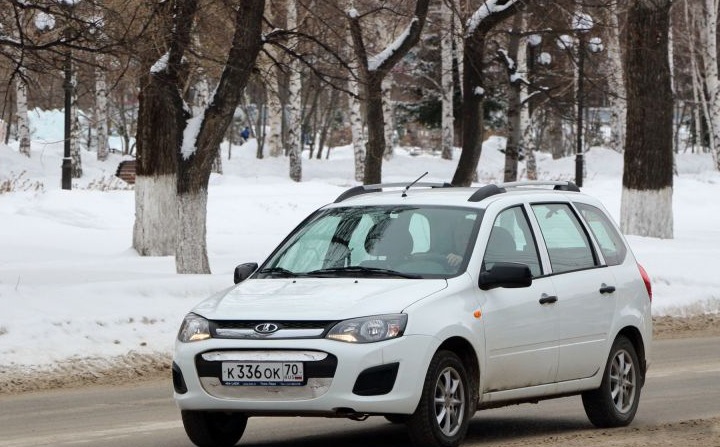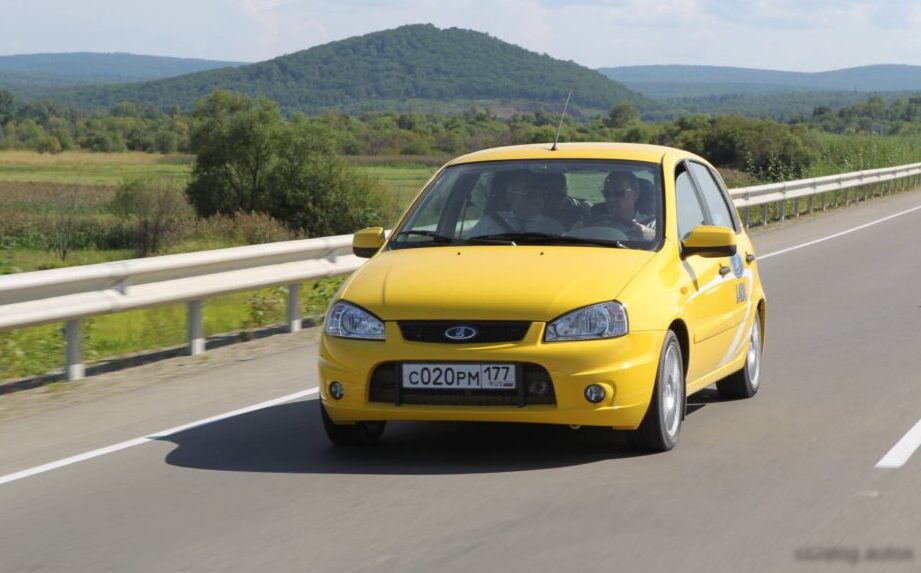
The Lada Kalina II Hatchback, specifically the 2192 variant equipped with the 1.6-liter (106 horsepower) engine and automatic transmission, represents a significant step forward for the Russian automaker. Introduced in 2013 and continuing production through 2018, this model aimed to provide a more modern and accessible option within the subcompact segment, primarily targeting the Russian domestic market. It was positioned as a practical and affordable vehicle for everyday use, offering a blend of functionality and basic comfort. The Kalina II, built on the B-platform, represented a substantial redesign over its predecessor, addressing many of the criticisms leveled at the original Kalina.
Technical Specifications
| Brand | Lada |
| Model | Kalina |
| Generation | Kalina II Hatchback (2192) |
| Type (Engine) | 1.6 (106 Hp) Automatic |
| Start of production | 2013 |
| End of production | 2018 |
| Powertrain Architecture | Internal Combustion engine |
| Body type | Hatchback |
| Seats | 5 |
| Doors | 5 |
| Fuel consumption (urban) | 8.6 l/100 km (27.4 US mpg) |
| Fuel consumption (extra urban) | 5.6 l/100 km (42 US mpg) |
| Fuel consumption (combined) | 6.7 l/100 km (35.1 US mpg) |
| Fuel Type | Petrol (Gasoline) |
| Acceleration 0 – 100 km/h | 12.9 sec |
| Acceleration 0 – 62 mph | 12.9 sec |
| Acceleration 0 – 60 mph | 12.3 sec |
| Maximum speed | 175 km/h (108.74 mph) |
| Weight-to-power ratio | 10.6 kg/Hp |
| Weight-to-torque ratio | 7.6 kg/Nm |
| Power | 106 Hp @ 5800 rpm |
| Torque | 148 Nm @ 4000 rpm (109.16 lb.-ft. @ 4000 rpm) |
| Engine layout | Front, Transverse |
| Engine Model/Code | 21127 |
| Engine displacement | 1596 cm3 (97.39 cu. in.) |
| Number of cylinders | 4 |
| Engine configuration | Inline |
| Number of valves per cylinder | 4 |
| Fuel injection system | Multi-port manifold injection |
| Engine aspiration | Naturally aspirated engine |
| Engine oil capacity | 4.4 l (4.65 US qt | 3.87 UK qt) |
| Coolant capacity | 7.84 l (8.28 US qt | 6.9 UK qt) |
| Kerb Weight | 1125 kg (2480.2 lbs) |
| Max. weight | 1560 kg (3439.21 lbs) |
| Max load | 435 kg (959.01 lbs) |
| Trunk (boot) space – minimum | 240 l (8.48 cu. ft) |
| Trunk (boot) space – maximum | 550 l (19.42 cu. ft) |
| Fuel tank capacity | 50 l (13.21 US gal | 11 UK gal) |
| Permitted trailer load with brakes (12%) | 900 kg (1984.16 lbs) |
| Permitted trailer load without brakes | 450 kg (992.08 lbs) |
| Length | 3893 mm (153.27 in) |
| Width | 1700 mm (66.93 in) |
| Height | 1500 mm (59.06 in) |
| Wheelbase | 2476 mm (97.48 in) |
| Front track | 1430 mm (56.3 in) |
| Rear track | 1414 mm (55.67 in) |
| Ride height (ground clearance) | 160 mm (6.3 in) |
| Drivetrain Architecture | Front wheel drive |
| Number of gears and type of gearbox | 5 gears, automatic transmission |
| Front suspension | Independent, type McPherson with coil spring and anti-roll bar |
| Rear suspension | Semi-independent, coil spring |
| Assisting systems | ABS (Anti-lock braking system) |
| Steering type | Steering rack and pinion |
| Tires size | 175/65 R14; 185/60 R14 |
| Wheel rims size | 14 |
Powertrain & Engine Architecture
The heart of this Kalina II variant is the Lada 21127 1.6-liter inline-four cylinder engine. This engine, a development of the older 2112 series, utilizes a multi-port fuel injection system for improved efficiency and emissions control. The engine produces 106 horsepower at 5800 rpm and 148 Nm (109 lb-ft) of torque at 4000 rpm. The engine features a single overhead camshaft (SOHC) design with four valves per cylinder. The automatic transmission is a conventional 5-speed unit, sourced from Japan, and was designed to provide smoother shifting compared to the manual transmission options. While not a particularly advanced powertrain, it was considered a reliable and relatively fuel-efficient option for the target market.
Driving Characteristics
The 1.6-liter engine paired with the automatic transmission delivers modest performance. Acceleration from 0 to 100 km/h (0-62 mph) takes approximately 12.9 seconds, and top speed is rated at 175 km/h (108.74 mph). The automatic transmission, while offering convenience, does impact performance compared to the available manual gearbox. Gear ratios are tuned for fuel economy and drivability rather than outright speed. In real-world driving, the Kalina II Automatic feels adequate for city commuting and highway cruising, but lacks the punch for quick overtaking maneuvers. The transmission programming prioritizes smooth shifts, sometimes at the expense of responsiveness.
Equipment & Trim Levels
The 1.6-liter Automatic Kalina II typically came with a base level of equipment, focusing on essential features. Standard amenities included power steering, central locking, front power windows, and an audio system. Interior upholstery was typically cloth, and the dashboard featured a functional, if somewhat basic, design. Optional extras included air conditioning, heated front seats, and upgraded audio systems. Higher trim levels, though not commonly paired with the automatic transmission, could add features like alloy wheels, fog lights, and a more comprehensive interior trim.
Chassis & Braking
The Kalina II utilizes a McPherson strut front suspension and a semi-independent coil spring rear suspension. This setup provides a reasonable balance between ride comfort and handling. The front brakes are disc brakes, while the rear brakes are drum brakes – a cost-saving measure common in this segment. ABS (Anti-lock Braking System) is standard, enhancing safety. The steering is a rack and pinion system, providing adequate feedback and control. The relatively lightweight construction of the vehicle (1125 kg / 2480 lbs) helps to mitigate the effects of the modest engine output.
Market Reception & Comparison
The Lada Kalina II 1.6 Automatic was generally well-received in the Russian market as an affordable and practical option. Critics noted its improved build quality and more modern design compared to previous Lada models. However, the automatic transmission was often criticized for its lack of refinement and impact on fuel economy. Compared to the manual transmission versions, the automatic offered less engaging driving experience. Against competitors like the Renault Logan and Hyundai Solaris, the Kalina II offered a lower price point but lacked the same level of sophistication and features.
Legacy
The Lada Kalina II, including the 1.6-liter Automatic variant, played a crucial role in revitalizing the Lada brand. While not known for exceptional performance or luxury, it provided a reliable and affordable transportation solution for many Russian drivers. On the used car market, these Kalina IIs are generally considered to be relatively durable, with the 21127 engine proving to be reasonably robust. Maintenance costs are typically low due to the readily available parts and simple mechanical design. However, potential buyers should be aware of the potential for corrosion, particularly in regions with harsh winters. The Kalina II paved the way for subsequent Lada models, incorporating lessons learned in design, engineering, and market acceptance.