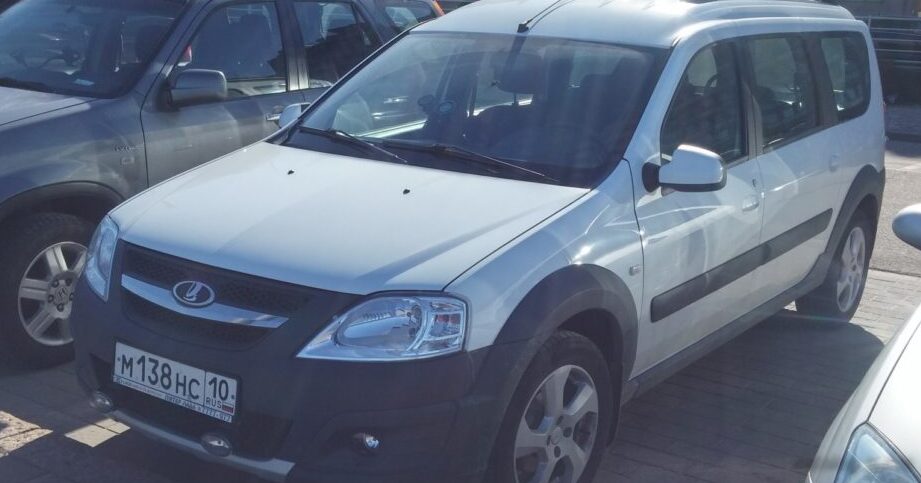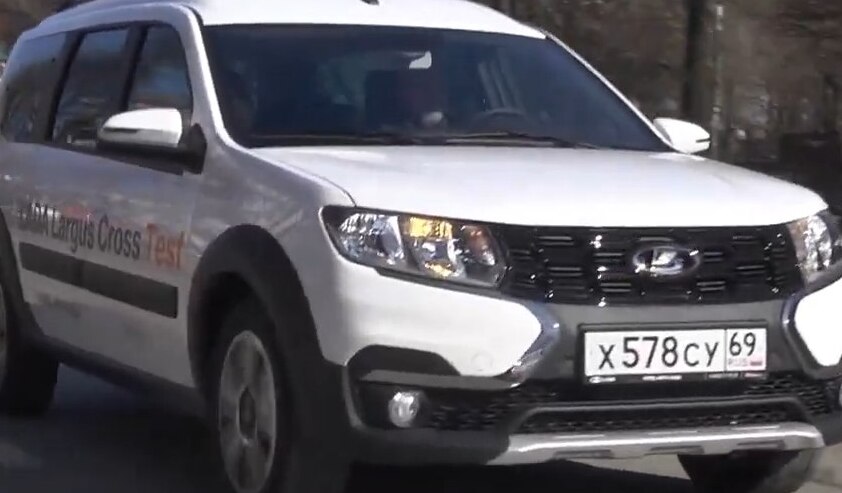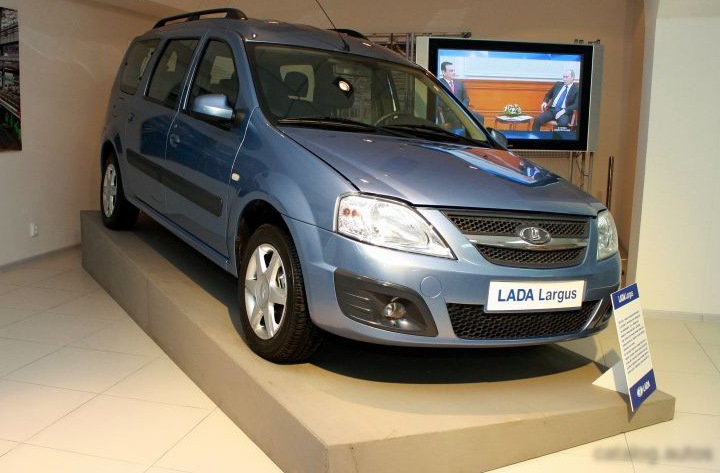
The Lada Largus Combi 1.6 (105 hp) is a five-door, five-seat Multi-Purpose Vehicle (MPV) produced by the Russian automaker Lada from 2012 to 2021. Based on the Dacia/Renault Logan MCV platform, the Largus was designed to fill a gap in the Lada lineup for a practical, affordable, and spacious family vehicle. This 1.6-liter, 105 horsepower variant represented the entry-level engine option for the Combi body style, targeting budget-conscious buyers prioritizing functionality over outright performance. It quickly became a popular choice in Russia and neighboring markets due to its value proposition and robust construction.
Technical Specifications
| Brand | Lada |
| Model | Largus |
| Generation | Largus Combi |
| Type (Engine) | 1.6 (105 Hp) |
| Start of production | 2012 |
| End of production | 2021 |
| Powertrain Architecture | Internal Combustion engine |
| Body type | MPV |
| Seats | 5 |
| Doors | 5 |
| Fuel consumption (urban) | 10.1 l/100 km (23.3 US mpg) |
| Fuel consumption (extra urban) | 6.7 l/100 km (35.1 US mpg) |
| Fuel consumption (combined) | 7.9 l/100 km (29.8 US mpg) |
| Fuel Type | Petrol (Gasoline) |
| Acceleration 0 – 100 km/h | 13.1 sec |
| Acceleration 0 – 62 mph | 13.1 sec |
| Acceleration 0 – 60 mph | 12.4 sec |
| Maximum speed | 165 km/h (102.53 mph) |
| Weight-to-power ratio | 12 kg/Hp |
| Weight-to-torque ratio | 8.5 kg/Nm |
| Power | 105 Hp @ 5750 rpm |
| Torque | 148 Nm @ 3750 rpm (109.16 lb.-ft. @ 3750 rpm) |
| Engine layout | Front, Transverse |
| Engine displacement | 1598 cm3 (97.52 cu. in.) |
| Number of cylinders | 4 |
| Engine configuration | Inline |
| Number of valves per cylinder | 4 |
| Fuel injection system | Multi-port manifold injection |
| Engine aspiration | Naturally aspirated engine |
| Kerb Weight | 1260 kg (2777.82 lbs.) |
| Max. weight | 1705 kg (3758.88 lbs.) |
| Max load | 445 kg (981.06 lbs.) |
| Trunk (boot) space – minimum | 560 l (19.78 cu. ft.) |
| Trunk (boot) space – maximum | 2350 l (82.99 cu. ft.) |
| Fuel tank capacity | 50 l (13.21 US gal) |
| Permitted trailer load with brakes (12%) | 1300 kg (2866.01 lbs.) |
| Permitted trailer load without brakes | 650 kg (1433 lbs.) |
| Length | 4470 mm (175.98 in.) |
| Width | 1750 mm (68.9 in.) |
| Height | 1670 mm (65.75 in.) |
| Wheelbase | 2905 mm (114.37 in.) |
| Front track | 1469 mm (57.83 in.) |
| Rear (Back) track | 1466 mm (57.72 in.) |
| Ride height (ground clearance) | 145 mm (5.71 in.) |
| Drivetrain Architecture | Front wheel drive |
| Number of gears and type of gearbox | 5 gears, manual transmission |
| Front suspension | Independent, type McPherson with coil spring and anti-roll bar |
| Rear suspension | Semi-independent, coil spring |
| Assisting systems | ABS (Anti-lock braking system) |
| Steering type | Steering rack and pinion |
| Tires size | 185/65 R15 |
| Wheel rims size | 15 |
Powertrain & Engine Architecture
The Lada Largus Combi 1.6 utilizes the VK7 engine, a 1.6-liter inline-four cylinder gasoline engine. This engine, derived from Renault designs, is known for its simplicity and durability. It features a multi-point fuel injection system and a single overhead camshaft (SOHC) valvetrain with four valves per cylinder. The engine produces 105 horsepower at 5750 rpm and 148 Nm (109 lb-ft) of torque at 3750 rpm. The engine’s relatively low output is a result of its focus on fuel efficiency and reliability rather than high performance. The Largus 1.6 was exclusively offered with a five-speed manual transmission, prioritizing affordability and ease of maintenance. The transmission is a conventional setup, designed for durability and straightforward operation.
Driving Characteristics
The Largus Combi 1.6, with its 105 hp engine and five-speed manual transmission, offers modest performance. Acceleration from 0 to 100 km/h (0-62 mph) takes approximately 13.1 seconds, and its top speed is around 165 km/h (102.5 mph). The engine feels strained when fully loaded or climbing hills, requiring frequent downshifts to maintain speed. Compared to higher-trim Largus models equipped with the more powerful 1.6-liter 16-valve engine, the 8-valve 105 hp version feels noticeably slower. However, the 1.6’s relaxed power delivery makes it suitable for urban driving and highway cruising, provided expectations are tempered. The gear ratios are tuned for fuel economy, resulting in a comfortable but not particularly engaging driving experience.
Equipment & Trim Levels
The Largus Combi 1.6 typically came with a basic level of equipment, reflecting its position as the entry-level trim. Standard features generally included power steering, central locking, front power windows, and an ABS anti-lock braking system. Interior upholstery was typically cloth, and the dashboard featured a simple, functional design. Optional extras included air conditioning, a radio with CD player, and power windows for the rear doors. Higher trim levels added features like alloy wheels, fog lights, and upgraded interior trim. The focus was on providing essential features at an affordable price point.
Chassis & Braking
The Largus Combi utilizes a McPherson strut front suspension and a semi-independent coil spring rear suspension. This setup provides a comfortable ride, absorbing bumps and imperfections in the road reasonably well. The front brakes are ventilated discs, while the rear brakes are drum brakes. The braking system is adequate for the vehicle’s weight and performance, but it lacks the stopping power of more sophisticated systems found in higher-end vehicles. A stabilizer bar is included at the front to reduce body roll during cornering. The Largus’s suspension is tuned for comfort and practicality, prioritizing ride quality over sporty handling.
Market Reception & Comparison
The Lada Largus Combi 1.6 was well-received in its primary markets, particularly Russia and other former Soviet republics. Critics praised its spacious interior, practicality, and affordability. However, the 1.6-liter engine was often criticized for its lack of power, especially when the vehicle was fully loaded. Compared to the higher-output 1.6-liter 16-valve engine, the 8-valve version offered significantly less performance but also better fuel economy. The Largus 1.6’s fuel consumption of around 7.9 l/100 km (29.8 US mpg) was a key selling point for budget-conscious buyers. Its robust construction and relatively simple mechanicals also contributed to its popularity, making it a reliable and easy-to-maintain vehicle.
Legacy
The Lada Largus Combi 1.6 has proven to be a durable and reliable vehicle, with many examples still on the road today. Its simple engine and transmission are relatively easy to repair, and spare parts are readily available. In the used car market, the Largus 1.6 remains a popular choice for those seeking an affordable and practical family vehicle. While not known for its performance or luxury, the Largus 1.6’s practicality, spaciousness, and affordability have cemented its place as a popular and enduring vehicle in its target markets. Its legacy is one of providing dependable transportation for families on a budget.