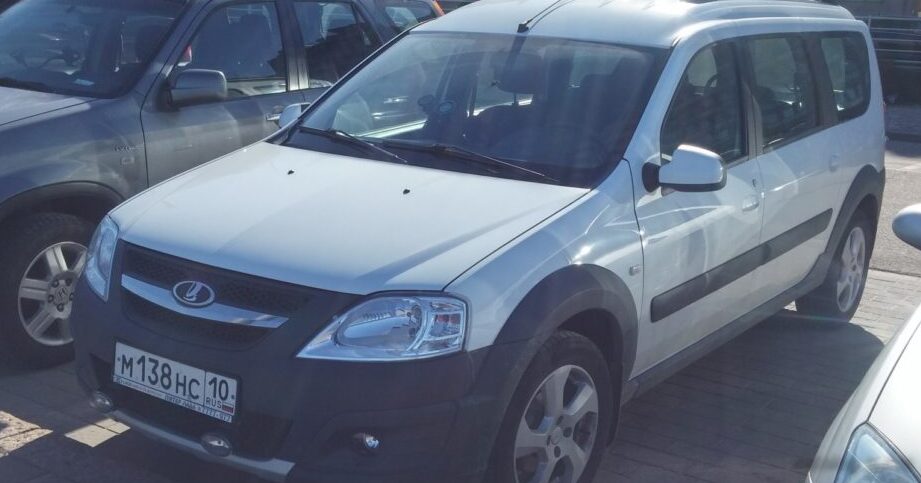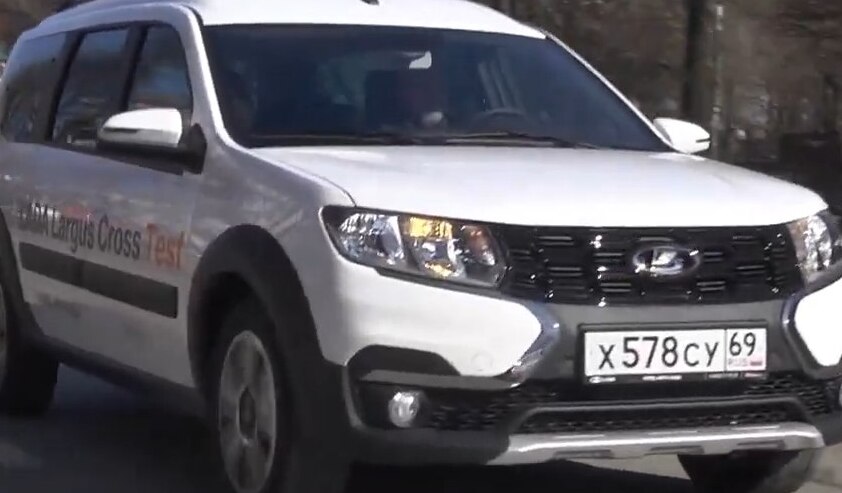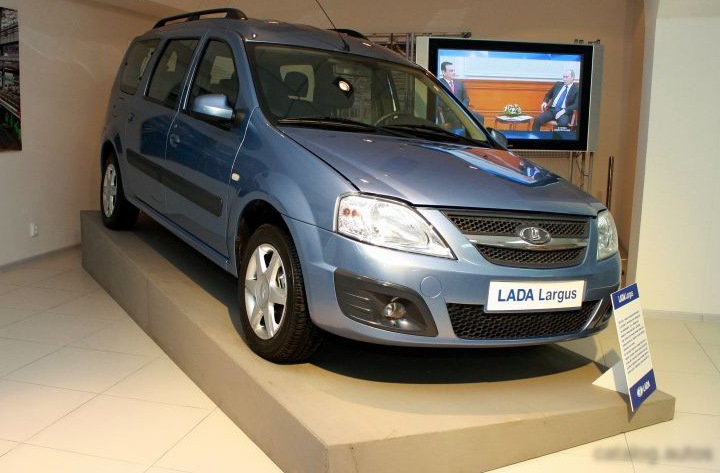
The Lada Largus Combi 1.6 (84 hp) 7-seat variant was a popular offering within the Largus range, produced from 2012 to 2021. Positioned as an affordable and practical family vehicle, it served as a key model for Lada, particularly in markets where multi-passenger vehicles were in high demand. The Largus itself is based on the Renault Dacia Logan MCV platform, representing a significant step forward for Lada in terms of design and engineering. This specific 1.6-liter, 84 horsepower configuration was generally considered the entry-level engine option for the Combi body style, prioritizing fuel economy and affordability over outright performance.
Technical Specifications
| Brand | Lada |
| Model | Largus |
| Generation | Largus Combi |
| Type | 1.6 (84 Hp) 7 Seat |
| Start of production | 2012 |
| End of production | 2021 |
| Powertrain Architecture | Internal Combustion engine |
| Body type | MPV |
| Seats | 7 |
| Doors | 5 |
| Fuel consumption (urban) | 10.6 l/100 km (22.2 US mpg, 26.6 UK mpg, 9.4 km/l) |
| Fuel consumption (extra urban) | 6.7 l/100 km (35.1 US mpg, 42.2 UK mpg, 14.9 km/l) |
| Fuel consumption (combined) | 8.2 l/100 km (28.7 US mpg, 34.4 UK mpg, 12.2 km/l) |
| Fuel Type | Petrol (Gasoline) |
| Acceleration 0 – 100 km/h | 15.4 sec |
| Acceleration 0 – 62 mph | 15.4 sec |
| Acceleration 0 – 60 mph | 14.6 sec |
| Maximum speed | 155 km/h (96.31 mph) |
| Weight-to-power ratio | 15.8 kg/Hp, 63.2 Hp/tonne |
| Weight-to-torque ratio | 10.7 kg/Nm, 93.2 Nm/tonne |
| Power | 84 Hp @ 5500 rpm |
| Power per litre | 52.6 Hp/l |
| Torque | 124 Nm @ 3000 rpm (91.46 lb.-ft. @ 3000 rpm) |
| Engine layout | Front, Transverse |
| Engine displacement | 1598 cm3 (97.52 cu. in.) |
| Number of cylinders | 4 |
| Engine configuration | Inline |
| Number of valves per cylinder | 2 |
| Fuel injection system | Multi-port manifold injection |
| Engine aspiration | Naturally aspirated engine |
| Kerb Weight | 1330 kg (2932.15 lbs.) |
| Max. weight | 1810 kg (3990.37 lbs.) |
| Max load | 480 kg (1058.22 lbs.) |
| Trunk (boot) space – minimum | 135 l (4.77 cu. ft.) |
| Trunk (boot) space – maximum | 2350 l (82.99 cu. ft.) |
| Fuel tank capacity | 50 l (13.21 US gal | 11 UK gal) |
| Permitted trailer load with brakes (12%) | 1300 kg (2866.01 lbs.) |
| Permitted trailer load without brakes | 650 kg (1433 lbs.) |
| Length | 4470 mm (175.98 in.) |
| Width | 1750 mm (68.9 in.) |
| Height | 1670 mm (65.75 in.) |
| Wheelbase | 2905 mm (114.37 in.) |
| Front track | 1469 mm (57.83 in.) |
| Rear (Back) track | 1466 mm (57.72 in.) |
| Ride height (ground clearance) | 145 mm (5.71 in.) |
| Drivetrain Architecture | The Internal combustion engine (ICE) drives the front wheels of the vehicle. |
| Drive wheel | Front wheel drive |
| Number of gears and type of gearbox | 5 gears, manual transmission |
| Front suspension | Independent, type McPherson with coil spring and anti-roll bar |
| Rear suspension | Semi-independent, coil spring |
| Assisting systems | ABS (Anti-lock braking system) |
| Steering type | Steering rack and pinion |
| Tires size | 185/65 R15 |
| Wheel rims size | 15 |
Powertrain & Engine Architecture
The Lada Largus Combi 1.6 utilized the VK21 engine, a 1.6-liter inline-four cylinder gasoline engine. This engine, while relatively simple in design, was known for its robustness and ease of maintenance. It featured a single overhead camshaft (SOHC) design with two valves per cylinder. Fuel delivery was handled by a multi-point fuel injection system, providing adequate, though not exceptional, fuel atomization. The engine produced 84 horsepower at 5,500 rpm and 124 Nm (91.46 lb-ft) of torque at 3,000 rpm. The engine’s design prioritized reliability and low-cost manufacturing over high performance. The five-speed manual transmission was the standard offering for this variant, chosen for its simplicity and efficiency. The transmission’s gear ratios were tuned for fuel economy and everyday drivability, rather than sporty acceleration.
Driving Characteristics
The 1.6-liter, 84 hp Largus Combi was not designed for spirited driving. Acceleration was modest, with a 0-60 mph time of around 14.6 seconds. However, it provided sufficient power for typical daily commutes and family transportation. The engine’s torque curve was relatively flat, offering usable power across a reasonable rev range. The five-speed manual transmission allowed drivers to keep the engine in its optimal power band, but frequent downshifting was often required for overtaking or climbing hills. Compared to higher-output versions of the Largus, this variant felt noticeably slower, but it offered a more economical driving experience. The suspension, tuned for comfort, provided a reasonably smooth ride, even on uneven road surfaces.
Equipment & Trim Levels
The base 1.6-liter Largus Combi 7-seat model typically came with a fairly basic level of equipment. Standard features included power steering, central locking, front power windows, and an audio system with basic connectivity. Safety features included ABS and driver and passenger airbags. Interior upholstery was typically cloth, and the dashboard featured a functional, if somewhat utilitarian, design. Optional extras included air conditioning, power windows for the rear doors, and an upgraded audio system. Higher trim levels offered additional features such as alloy wheels, fog lights, and more premium interior materials.
Chassis & Braking
The Largus Combi featured a McPherson strut front suspension and a semi-independent coil spring rear suspension. This setup provided a good balance between ride comfort and handling. The front brakes were ventilated discs, while the rear brakes were drums. This configuration was typical for vehicles in this price segment. The steering was a rack and pinion system, providing reasonably precise steering feel. The Largus Combi’s chassis was designed to prioritize practicality and durability over sporty handling. The tires were typically 185/65 R15, offering a good compromise between comfort and grip.
Market Reception & Comparison
The Lada Largus Combi 1.6 (84 hp) 7-seat variant was well-received in its target markets, particularly Russia and other Eastern European countries. Critics praised its affordability, spaciousness, and practicality. However, the engine’s lack of power was often noted as a drawback. Compared to other trims in the Largus lineup, such as the 1.6-liter 106 hp version, this variant offered lower performance but better fuel economy. It was often seen as a sensible choice for families who prioritized affordability and practicality over performance. Its fuel economy was competitive with other vehicles in its class, and its reliability was generally considered to be good.
Legacy
The Lada Largus Combi 1.6 (84 hp) remains a popular choice in the used car market, particularly for those seeking an affordable and practical family vehicle. The VK21 engine is known for its durability and relatively low maintenance costs. While not a performance powerhouse, this variant offers a reliable and economical transportation solution. Parts availability is generally good, and the Largus Combi’s simple design makes it relatively easy to repair. The Largus, in general, helped to modernize Lada’s image and establish it as a viable competitor in the budget MPV segment.