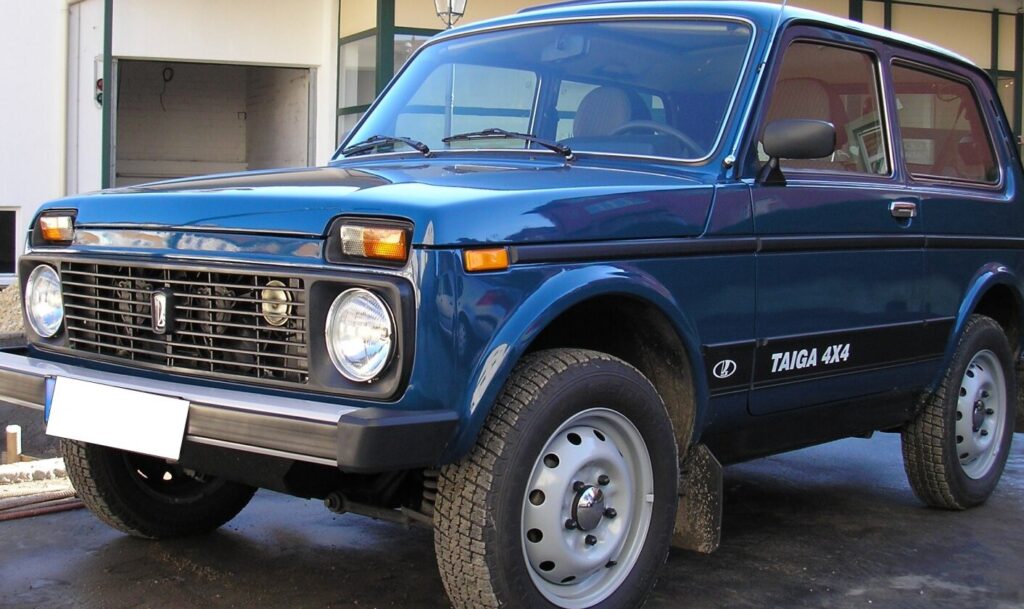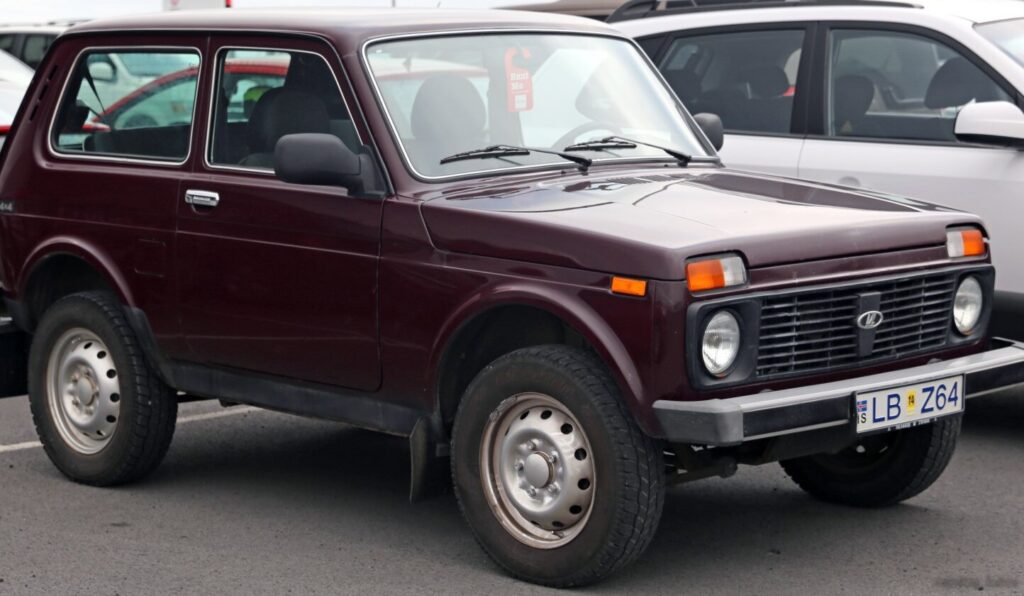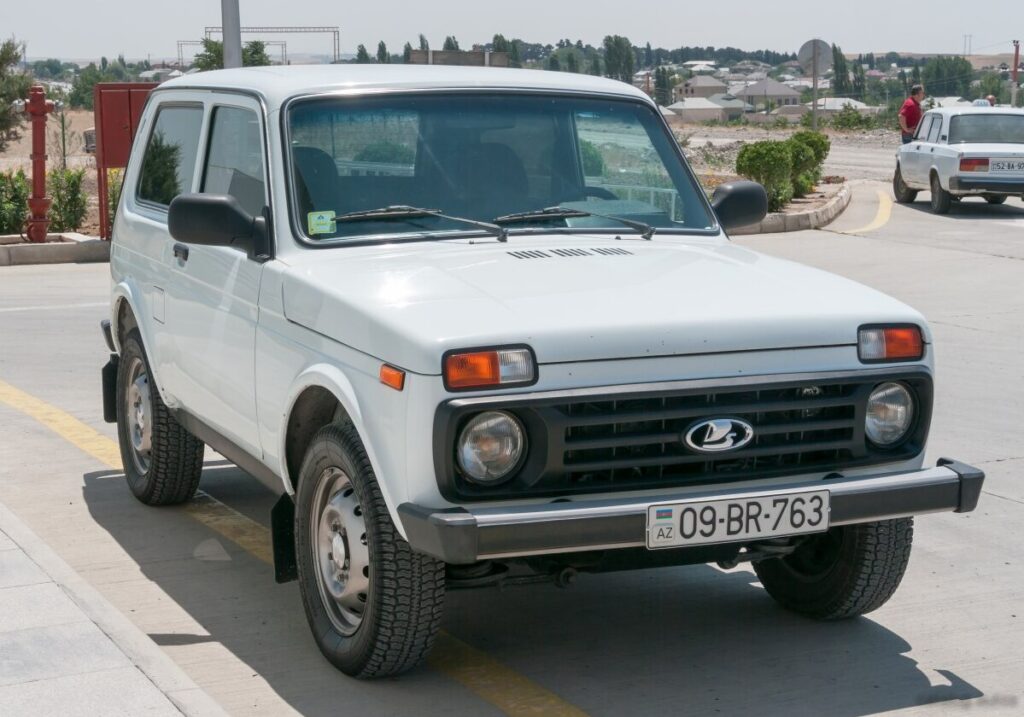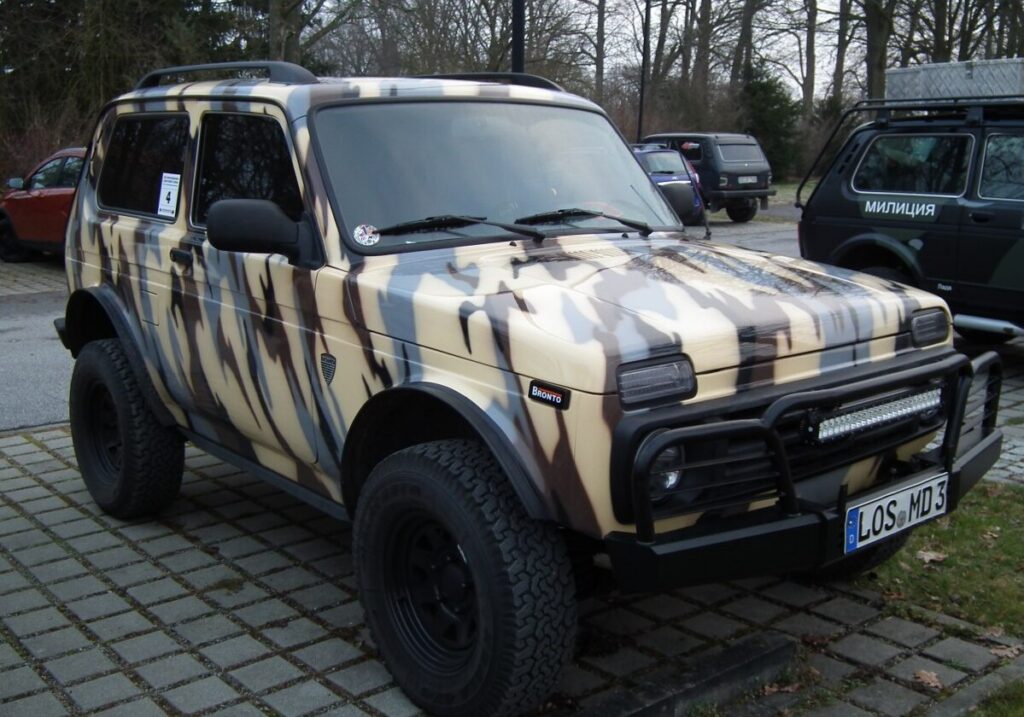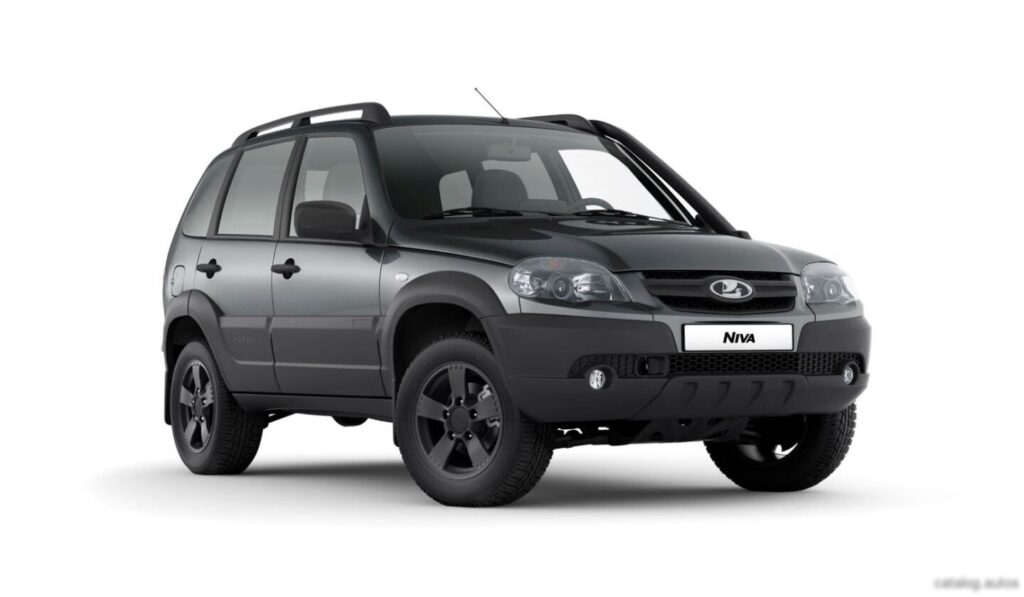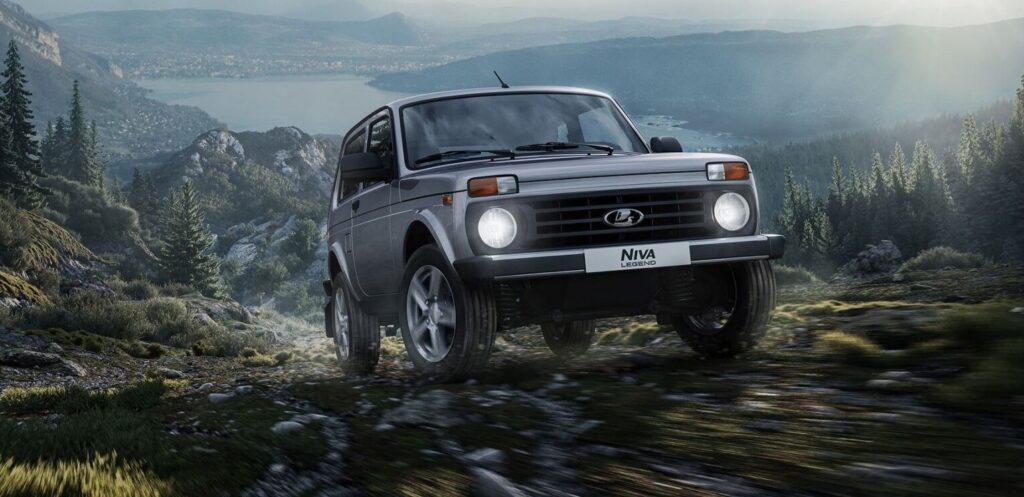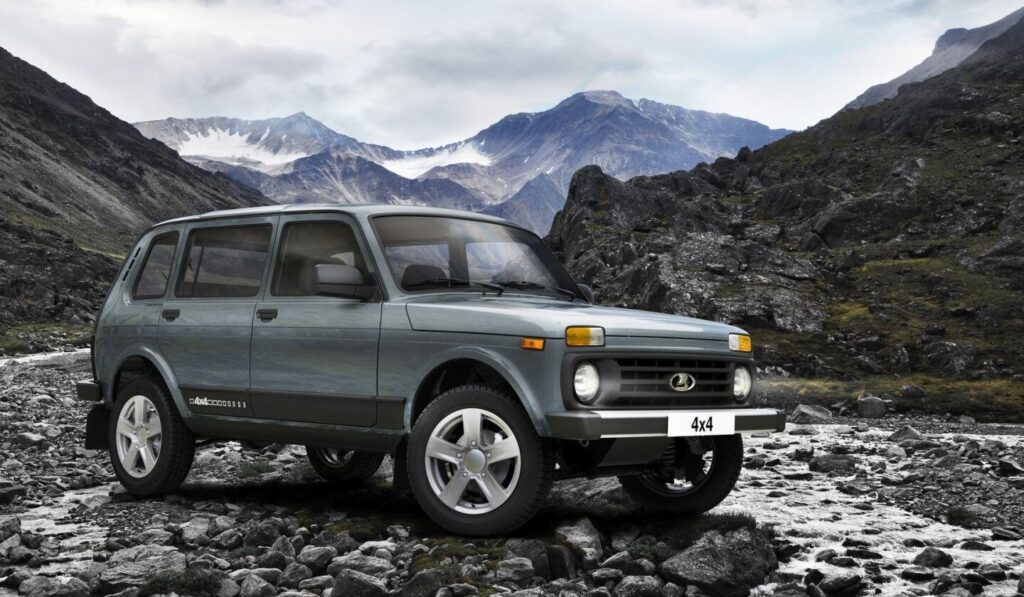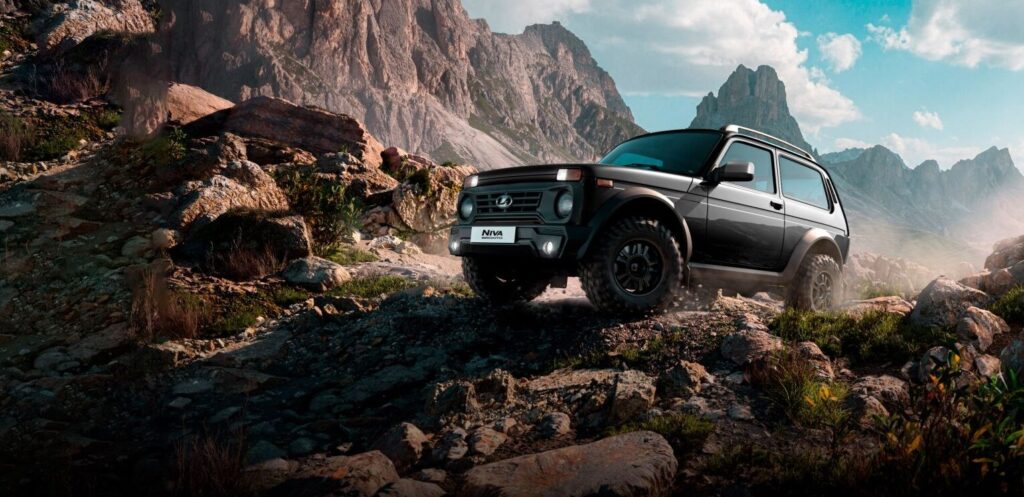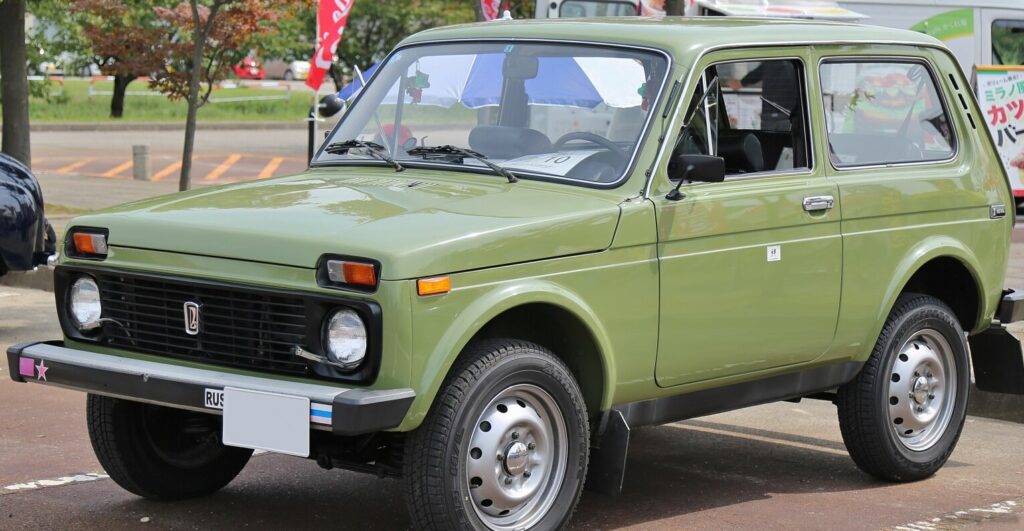
The Lada Niva 3-door 1.6 (78 hp) 4×4, produced from 1977 to 1993, represents a pivotal model in the history of Soviet and later Russian automotive engineering. This variant, powered by a 1.6-liter gasoline engine, was a mainstay of the Niva lineup during its initial production run. It was designed from the outset as a rugged, capable, and affordable all-terrain vehicle, intended for both rural and urban use, and quickly gained a reputation for its off-road prowess. The Niva, internally designated as the VAZ-2121, was a groundbreaking vehicle for its time, offering four-wheel drive in a relatively compact and lightweight package. This specific 1.6-liter, 78 horsepower configuration served as a core offering, balancing affordability with acceptable performance for its intended purpose.
Technical Specifications
| Brand | Lada |
| Model | Niva |
| Generation | Niva 3-door |
| Type (Engine) | 1.6 (78 Hp) 4×4 |
| Start of production | 1977 |
| End of production | 1993 |
| Powertrain Architecture | Internal Combustion engine |
| Body type | SUV |
| Seats | 4 |
| Doors | 3 |
| Fuel Type | Petrol (Gasoline) |
| Acceleration 0 – 100 km/h | 23 sec |
| Acceleration 0 – 62 mph | 23 sec |
| Acceleration 0 – 60 mph | 21.9 sec |
| Maximum speed | 132 km/h (82.02 mph) |
| Weight-to-power ratio | 14.7 kg/Hp, 67.8 Hp/tonne |
| Weight-to-torque ratio | 9.6 kg/Nm, 104.3 Nm/tonne |
| Power | 78 Hp @ 5400 rpm |
| Power per litre | 49.7 Hp/l |
| Torque | 120 Nm @ 3000 rpm (88.51 lb.-ft. @ 3000 rpm) |
| Engine layout | Front, Longitudinal |
| Engine displacement | 1568 cm3 (95.69 cu. in.) |
| Number of cylinders | 4 |
| Engine configuration | Inline |
| Cylinder Bore | 79 mm (3.11 in.) |
| Piston Stroke | 80 mm (3.15 in.) |
| Compression ratio | 8.5:1 |
| Number of valves per cylinder | 2 |
| Fuel injection system | Carburettor |
| Engine aspiration | Naturally aspirated engine |
| Valvetrain | SOHC |
| Engine oil capacity | 3.75 l (3.96 US qt | 3.3 UK qt) |
| Coolant | 10.6 l (11.2 US qt | 9.33 UK qt) |
| Kerb Weight | 1150 kg (2535.32 lbs.) |
| Max. weight | 1490 kg (3284.89 lbs.) |
| Max load | 340 kg (749.57 lbs.) |
| Fuel tank capacity | 45 l (11.89 US gal | 9.9 UK gal) |
| Permitted trailer load without brakes | 300 kg (661.39 lbs.) |
| Length | 3720 mm (146.46 in.) |
| Width | 1680 mm (66.14 in.) |
| Height | 1640 mm (64.57 in.) |
| Wheelbase | 2200 mm (86.61 in.) |
| Front track | 1430 mm (56.3 in.) |
| Rear (Back) track | 1400 mm (55.12 in.) |
| Ride height (ground clearance) | 220 mm (8.66 in.) |
| Minimum turning circle (turning diameter) | 11 m (36.09 ft.) |
| Climb angle | 30.1° |
| Wading depth | 500 mm (19.69 in.) |
| Drivetrain Architecture | The Internal combustion engine (ICE) drives permanently the four wheels of the vehicle. |
| Drive wheel | All wheel drive (4×4) |
| Number of gears and type of gearbox | 4 gears, manual transmission |
| Front suspension | Independent coil spring |
| Rear suspension | dependent spring suspension |
| Front brakes | Disc |
| Rear brakes | Drum |
| Tires size | 175/80 R16; 185/75 R16 |
| Wheel rims size | 5J x 16 |
Powertrain & Engine Architecture
The heart of the Niva 3-door 1.6 was the VAZ-2106 engine, a 1.6-liter inline-four cylinder gasoline engine. This engine, while relatively simple in design, proved remarkably durable and easy to maintain. It featured a single overhead camshaft (SOHC) valvetrain with two valves per cylinder. Fuel delivery was handled by a carburetor, a common feature for vehicles of this era, and a relatively low 8.5:1 compression ratio. The engine produced 78 horsepower at 5400 rpm and 120 Nm (88.51 lb-ft) of torque at 3000 rpm. The engine was mounted longitudinally in the front of the vehicle. The transmission was a four-speed manual gearbox, chosen for its robustness and simplicity. This transmission was not known for its refinement, but it was well-suited to the Niva’s intended use.
Driving Characteristics
The 1.6-liter Niva 3-door, with its 78 horsepower, wasn’t a performance vehicle. Acceleration was leisurely, taking approximately 23 seconds to reach 62 mph (100 km/h). However, the Niva’s strength lay not in straight-line speed, but in its off-road capability. The four-wheel-drive system, combined with a short wheelbase and high ground clearance (220mm or 8.66 inches), allowed it to tackle challenging terrain with ease. The carburetor, while not as efficient as fuel injection, provided predictable power delivery. Compared to later, more powerful Niva variants, or those equipped with diesel engines, the 1.6-liter model felt underpowered on the highway, requiring frequent downshifts for overtaking. The manual transmission’s gear ratios were optimized for low-speed torque, further emphasizing its off-road focus.
Equipment & Trim Levels
The Niva 3-door 1.6 was typically spartan in its equipment levels, reflecting its intended role as a utilitarian vehicle. Standard features included basic cloth upholstery, a simple dashboard layout, and minimal exterior trim. Heating was standard, but air conditioning was rarely fitted. Optional extras were limited, often consisting of roof racks, auxiliary lighting, and upgraded tires. The interior was designed for practicality and durability, rather than luxury. Trim levels were minimal, with most Nivas being essentially identical in terms of interior appointments.
Chassis & Braking
The Niva’s chassis was a body-on-frame construction, providing excellent strength and durability. Front suspension utilized independent coil springs, while the rear employed a dependent spring suspension with a solid axle. This setup contributed to the Niva’s impressive off-road articulation. Braking was relatively basic, with disc brakes on the front wheels and drum brakes on the rear. The braking system was adequate for normal driving conditions, but lacked the stopping power of more modern vehicles. Stabilizer bars were not typically fitted to the standard 1.6-liter model.
Market Reception & Comparison
The Lada Niva 3-door 1.6 was generally well-received for its off-road capabilities and affordability. Critics praised its ruggedness and simplicity, but noted its lack of refinement and relatively slow performance. Compared to other trims in the Niva lineup, such as those with larger engines or diesel powerplants, the 1.6-liter model was considered the entry-level option, appealing to buyers who prioritized affordability and off-road capability over outright performance. Fuel economy was modest, typical for a carbureted engine of that era. Reliability was generally good, thanks to the engine’s simple design and robust construction.
Legacy
The Lada Niva 3-door 1.6 (78 hp) 4×4 holds a significant place in automotive history. Its simple, robust design and exceptional off-road capability made it a popular choice for farmers, adventurers, and anyone needing a reliable vehicle for challenging conditions. Today, the Niva is a sought-after classic among enthusiasts, particularly those interested in off-road vehicles. While the 1.6-liter engine isn’t known for its longevity in the same way as some of the diesel variants, well-maintained examples continue to provide reliable service. The Niva’s enduring popularity is a testament to its timeless design and unwavering capability, and it remains a symbol of rugged practicality.