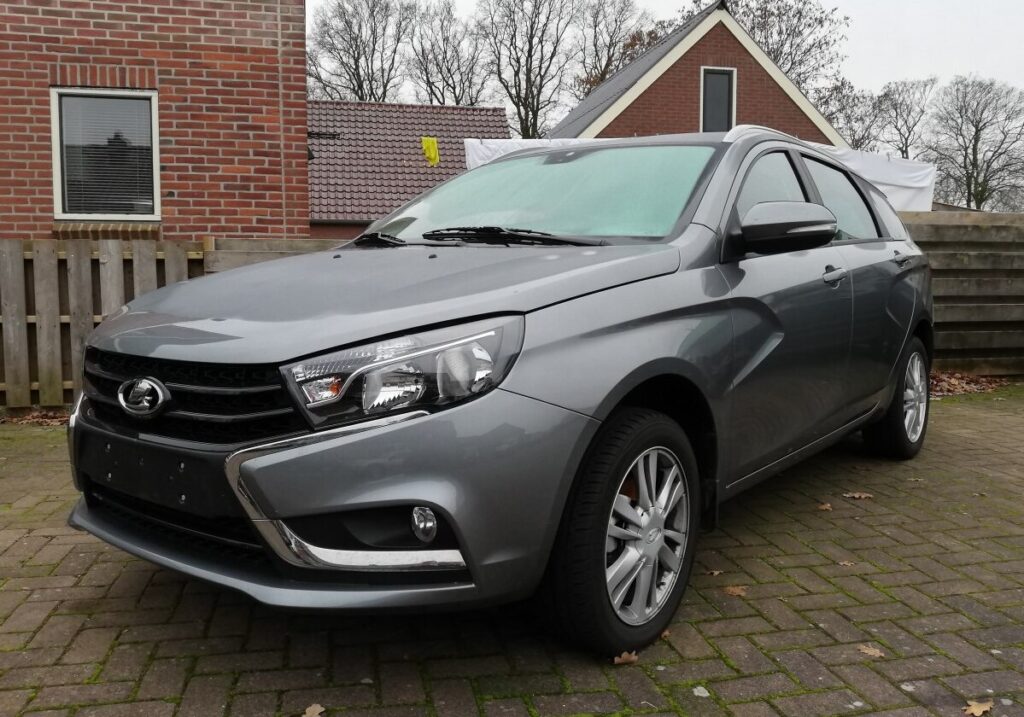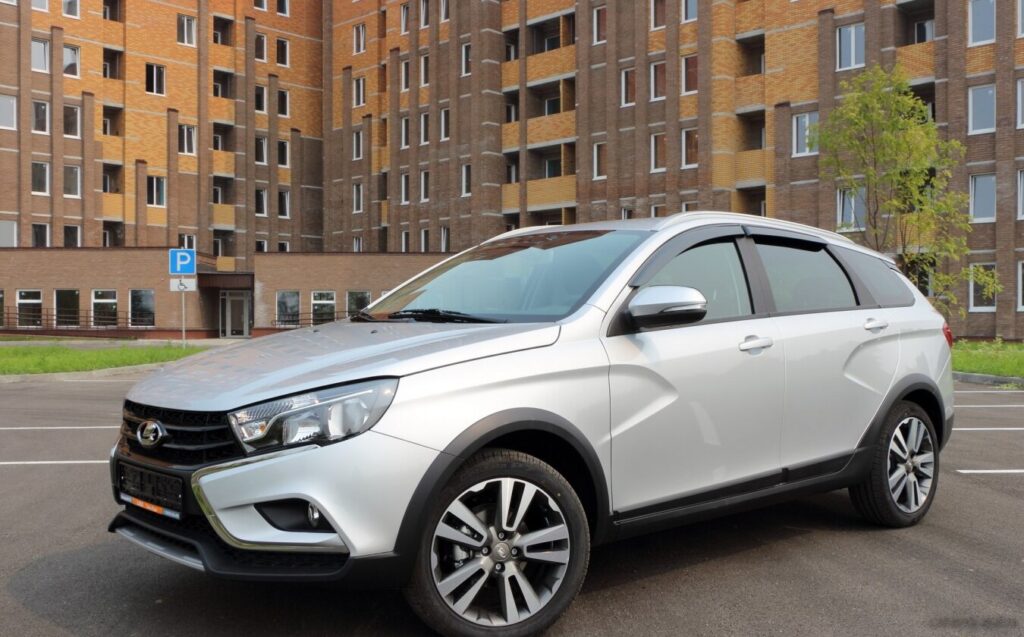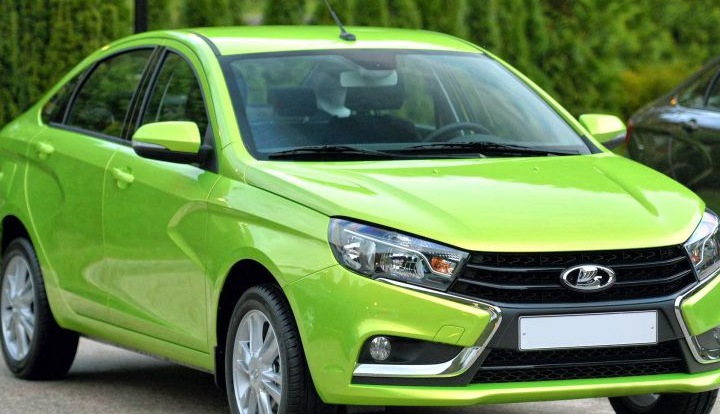
The Lada Vesta 1.6, producing 106 horsepower, represents an important entry point into the Vesta model range, launched by AvtoVAZ in 2015. Positioned as a budget-friendly sedan, the Vesta aimed to modernize Lada’s image and offer a more competitive vehicle in the Russian automotive market, and eventually for export. This variant, equipped with the 1.6-liter engine and a five-speed manual transmission, was designed to appeal to buyers prioritizing affordability and practicality. It served as the foundation for the Vesta lineup, with more powerful and feature-rich trims available for those seeking a more premium experience. The Vesta itself was a significant departure for Lada, utilizing a completely new platform (the Vesta platform, internally designated as B/C) and a more contemporary design language.
Technical Specifications
| Brand | Lada |
| Model | Vesta |
| Generation | Vesta |
| Type (Engine) | 1.6 (106 Hp) |
| Start of production | 2015 |
| Powertrain Architecture | Internal Combustion engine |
| Body type | Sedan |
| Seats | 5 |
| Doors | 4 |
| Fuel consumption (urban) | 9.3 l/100 km (25.3 US mpg) |
| Fuel consumption (extra urban) | 5.5 l/100 km (42.8 US mpg) |
| Fuel consumption (combined) | 6.9 l/100 km (34.1 US mpg) |
| Fuel Type | Petrol (Gasoline) |
| Acceleration 0 – 100 km/h | 11.2 sec |
| Acceleration 0 – 62 mph | 11.2 sec |
| Acceleration 0 – 60 mph | 10.6 sec |
| Maximum speed | 175 km/h (108.74 mph) |
| Weight-to-power ratio | 11.6 kg/Hp |
| Weight-to-torque ratio | 8.3 kg/Nm |
| Power | 106 Hp @ 5800 rpm |
| Torque | 148 Nm @ 4200 rpm (109.16 lb.-ft. @ 4200 rpm) |
| Engine layout | Front, Transverse |
| Engine Model/Code | VAZ-21129 |
| Engine displacement | 1596 cm3 (97.39 cu. in.) |
| Number of cylinders | 4 |
| Engine configuration | Inline |
| Number of valves per cylinder | 4 |
| Fuel injection system | Multi-port manifold injection |
| Engine aspiration | Naturally aspirated |
| Engine oil capacity | 4.1 l (4.33 US qt | 3.61 UK qt) |
| Coolant capacity | 6.4 l (6.76 US qt | 5.63 UK qt) |
| Kerb Weight | 1230-1270 kg (2711.69 – 2799.87 lbs.) |
| Max. weight | 1670 kg (3681.72 lbs.) |
| Max load | 400-440 kg (881.85 – 970.03 lbs.) |
| Trunk (boot) space | 480 l (16.95 cu. ft.) |
| Fuel tank capacity | 55 l (14.53 US gal | 12.1 UK gal) |
| Permitted trailer load (braked) | 900 kg (1984.16 lbs.) |
| Permitted trailer load (unbraked) | 450 kg (992.08 lbs.) |
| Length | 4410 mm (173.62 in.) |
| Width | 1764 mm (69.45 in.) |
| Height | 1497 mm (58.94 in.) |
| Wheelbase | 2635 mm (103.74 in.) |
| Front track | 1510 mm (59.45 in.) |
| Rear track | 1510 mm (59.45 in.) |
| Ride height | 178 mm (7.01 in.) |
| Drivetrain | Front wheel drive |
| Number of gears | 5 |
| Gearbox type | Manual transmission |
| Front suspension | Independent, McPherson with coil spring and anti-roll bar |
| Rear suspension | Semi-independent, coil spring |
| Front brakes | Ventilated discs |
| Rear brakes | Drum |
| Assisting systems | ABS (Anti-lock braking system) |
| Steering type | Steering rack and pinion |
| Tire size | 185/65 R15; 195/55 R16 |
| Wheel rim size | 15; 16 |
Powertrain & Engine Architecture
The Lada Vesta 1.6 utilizes the VAZ-21129 engine, a 1.6-liter inline-four cylinder gasoline engine. This engine is a development of the long-running VAZ-2112 series, but with improvements to fuel efficiency and refinement. It features a multi-point fuel injection system and a single overhead camshaft (SOHC) operating four valves per cylinder. The engine’s design prioritizes durability and ease of maintenance over outright performance. The 106 horsepower output is achieved at 5800 rpm, while peak torque of 148 Nm (109 lb-ft) arrives at 4200 rpm. The engine is transversely mounted, driving the front wheels. The five-speed manual transmission is a conventional design, offering relatively long gear ratios geared towards fuel economy rather than rapid acceleration.
Driving Characteristics
The Vesta 1.6 with the manual transmission delivers a predictable, if not particularly exciting, driving experience. Acceleration is adequate for everyday driving, with the 0-60 mph sprint taking around 10.6 seconds. The long gearing contributes to reasonable fuel economy, but also means the engine needs to be revved to maintain speed, especially when overtaking. Compared to the later 1.8-liter versions of the Vesta, the 1.6 feels noticeably less powerful, particularly when fully loaded. The manual transmission provides a more engaging driving experience than the optional automatic transmission (available on higher trims), offering greater control over the engine’s power band. The suspension is tuned for comfort, absorbing bumps reasonably well, but doesn’t offer particularly sporty handling.
Equipment & Trim Levels
The base-level Vesta 1.6 typically came with a relatively sparse equipment list, reflecting its position as the entry-level model. Standard features generally included power steering, central locking, electric front windows, and an audio system with USB connectivity. Air conditioning was often an optional extra. Interior upholstery was typically cloth, with a simple dashboard layout. Higher trim levels added features such as alloy wheels, fog lights, heated seats, and a more sophisticated audio system. Safety equipment included ABS and front airbags, but more advanced safety features were generally reserved for higher-spec models.
Chassis & Braking
The Vesta utilizes a McPherson strut front suspension and a semi-independent coil spring rear suspension. This setup provides a good balance between ride comfort and handling. The front brakes are ventilated discs, while the rear brakes are drums. This configuration was common for vehicles in this price segment, prioritizing cost-effectiveness over ultimate stopping power. The steering is a rack and pinion system, providing reasonable precision. The Vesta’s chassis is relatively lightweight, contributing to its fuel efficiency and acceptable handling characteristics.
Market Reception & Comparison
The Lada Vesta 1.6 was generally well-received in the Russian market as a significant improvement over previous Lada models. Critics praised its modern design, improved build quality, and relatively spacious interior. However, the 1.6-liter engine was often criticized for being underpowered, particularly when compared to competitors offering larger displacement engines. Fuel economy was a strong point, and the Vesta offered a compelling value proposition for budget-conscious buyers. Compared to the 1.8-liter Vesta, the 1.6 was significantly more affordable but offered less performance. The 1.8 was favored by those willing to spend more for a more refined and capable driving experience.
Legacy
The Lada Vesta 1.6 remains a popular choice in the used car market, particularly in Russia and surrounding countries. The VAZ-21129 engine is known for its reliability and relatively low maintenance costs. While not a performance car, the Vesta 1.6 provides a practical and affordable transportation solution. Common issues reported by owners include wear and tear on suspension components and occasional problems with the fuel injection system. Overall, the Vesta 1.6 represents a pivotal moment in Lada’s history, marking a significant step forward in terms of design, quality, and technology.