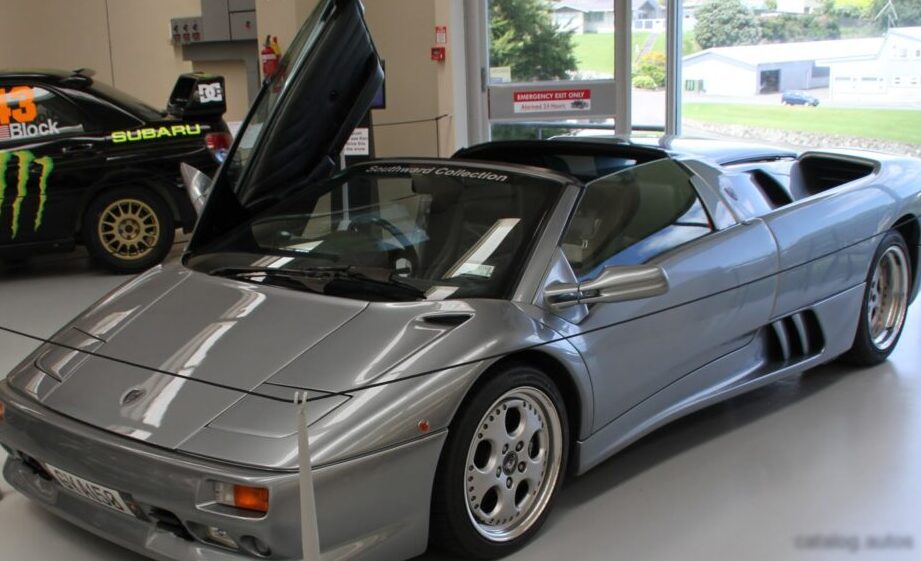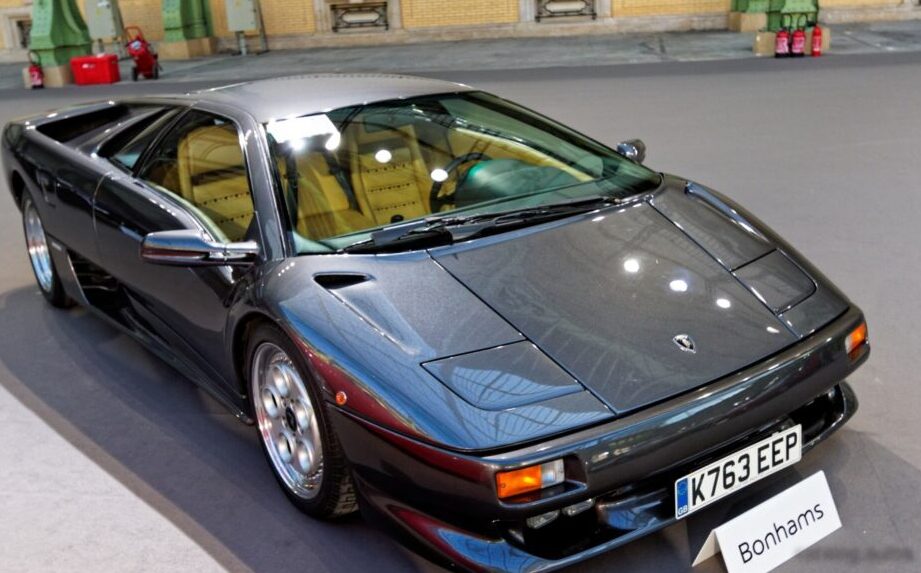
The Lamborghini Diablo GT 2 (640 Hp) represents the final evolution of the iconic Diablo model, produced from 1998 to 2006. It stands as one of the most potent and exclusive iterations of the Diablo, marking the culmination of Lamborghini’s engineering prowess before the introduction of the Murciélago. The GT 2 was specifically designed to meet homologation requirements for racing, resulting in a road-going version that retained much of the track-focused character of its competition counterpart. This variant was never officially sold in the United States, making it a particularly sought-after vehicle among collectors globally.
Technical Specifications
| Brand | Lamborghini |
| Model | Diablo |
| Generation | Diablo |
| Type (Engine) | GT 2 (640 Hp) |
| Start of Production | 1998 |
| End of Production | 2006 |
| Powertrain Architecture | Internal Combustion Engine |
| Body Type | Coupe |
| Fuel Type | Petrol (Gasoline) |
| Power | 640 Hp |
| Engine Aspiration | Naturally Aspirated |
| Engine Oil Capacity | 17 liters (17.96 US qt | 14.96 UK qt) |
| Coolant Capacity | 15 liters (15.85 US qt | 13.2 UK qt) |
Powertrain & Engine Architecture
The heart of the Diablo GT 2 is its 6.0-liter naturally aspirated V12 engine, designated the LGA engine. This engine is a significant upgrade over the earlier Diablo variants, boasting a power output of 640 horsepower at 7,500 rpm and 457 lb-ft of torque at 5,500 rpm. The LGA engine features increased bore and stroke dimensions, revised intake and exhaust systems, and optimized engine management software. Unlike some later Lamborghini engines, the GT 2 retains a traditional naturally aspirated setup, eschewing turbocharging or supercharging in favor of a more linear power delivery. The engine utilizes a Bosch Motronic engine control unit (ECU) to manage fuel injection and ignition timing. The fuel system employs Bosch sequential multi-point fuel injection, ensuring precise fuel delivery to each cylinder. The valvetrain consists of four valves per cylinder, operated by chain-driven double overhead camshafts. The engine is mated to a five-speed manual transmission, specifically designed to handle the immense power output. The transmission features a reinforced clutch and gearset to ensure durability under extreme driving conditions.
Driving Characteristics
The Diablo GT 2 delivers a raw and visceral driving experience. Its immense power and lightweight construction (approximately 3,285 lbs) result in blistering acceleration. The car can accelerate from 0 to 60 mph in around 3.4 seconds and achieve a top speed exceeding 218 mph. The five-speed manual transmission requires a skilled driver to extract the most from the engine, demanding precise gear changes and clutch control. The GT 2’s suspension is tuned for performance, providing a firm ride and exceptional handling. The steering is direct and responsive, offering excellent feedback to the driver. However, the car’s uncompromising nature makes it less forgiving than more modern supercars. It requires a high level of driver skill and concentration to operate at its full potential. The lack of electronic driver aids, such as traction control or stability control, further emphasizes the car’s analog character.
Equipment & Trim Levels
The Diablo GT 2 was offered with a relatively sparse equipment list, reflecting its focus on performance. The interior is characterized by its minimalist design and use of lightweight materials. Standard features include leather upholstery, power windows, and air conditioning. However, options such as a premium audio system and navigation were rarely specified, as they added unnecessary weight. The GT 2’s interior is functional and driver-focused, with a clear and concise instrument panel. The steering wheel is typically wrapped in leather and features a three-spoke design. The seats are heavily bolstered to provide support during high-speed cornering. The exterior of the GT 2 is distinguished by its aggressive aerodynamic styling, including a large rear wing, front splitter, and revised side skirts. The car is typically finished in a vibrant color, such as Rosso Diablo or Giallo Diamante.
Chassis & Braking
The Diablo GT 2 utilizes a lightweight chassis constructed from aluminum and carbon fiber. This construction helps to minimize weight and maximize rigidity. The suspension features independent double wishbones at all four corners, with adjustable dampers and springs. The braking system consists of ventilated disc brakes at all four corners, with four-piston calipers. The brakes are unassisted, providing a firm and progressive pedal feel. The GT 2’s tires are specifically designed for high-performance driving, offering exceptional grip and handling. The car typically rides on Pirelli P Zero tires, sized 245/35ZR18 at the front and 335/30ZR18 at the rear.
Market Reception & Comparison
The Diablo GT 2 was widely praised by automotive journalists for its exceptional performance and raw driving experience. Critics lauded the car’s powerful engine, responsive handling, and aggressive styling. However, some reviewers noted the car’s uncompromising nature and lack of modern conveniences. Compared to other Diablo variants, the GT 2 represents the pinnacle of the model’s development. It offers significantly more power and performance than the standard Diablo or the SV. The GT 2 is also more focused on track performance than the more luxurious VT models. Its rarity and exclusivity have made it a highly sought-after vehicle among collectors, with prices continuing to rise in the used car market.
Legacy
The Lamborghini Diablo GT 2 stands as a testament to Lamborghini’s commitment to building uncompromising supercars. It represents the final chapter in the Diablo’s story, and its legacy continues to influence Lamborghini’s design and engineering philosophy. The GT 2’s powerful engine, lightweight construction, and aggressive styling have made it a true icon of the supercar world. Today, the Diablo GT 2 is a highly collectible vehicle, prized by enthusiasts for its rarity, performance, and historical significance. Its robust engine, when properly maintained, has proven to be relatively reliable, although parts availability can be a challenge due to the car’s age and limited production numbers. The GT 2 remains a thrilling and engaging driving machine, offering a unique and unforgettable experience for those fortunate enough to own one.