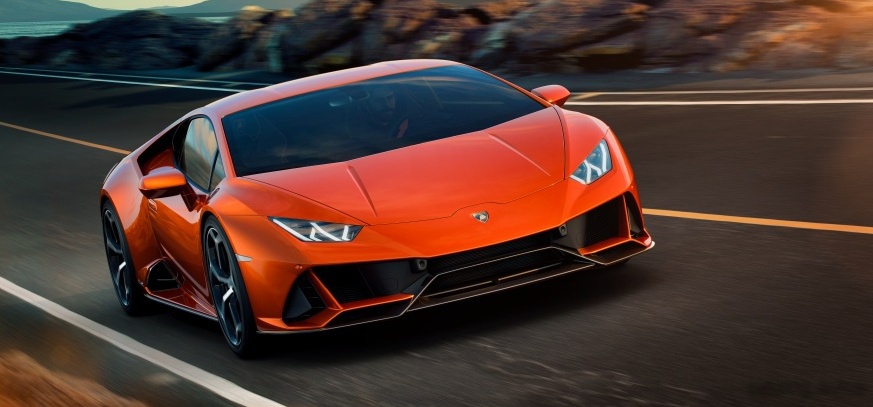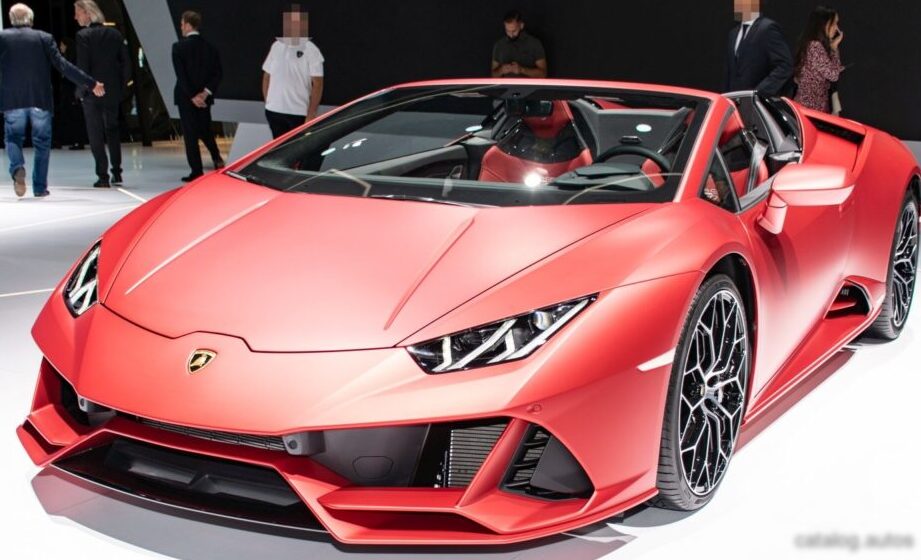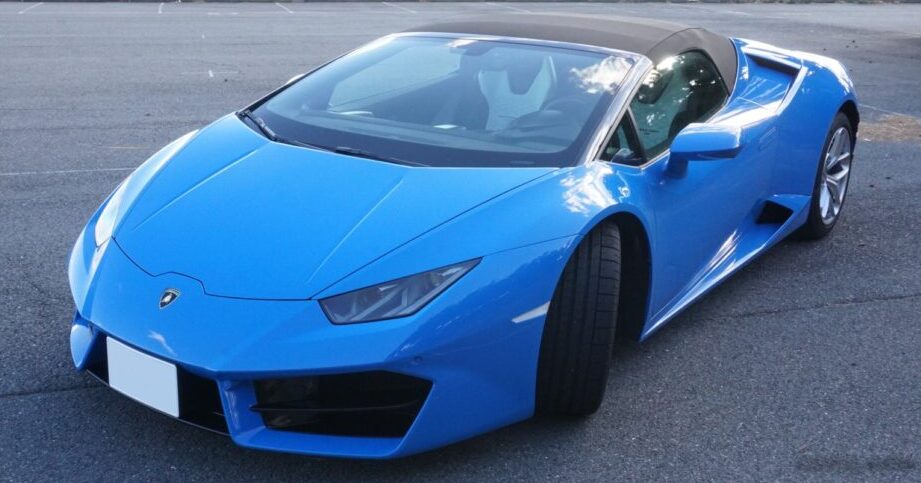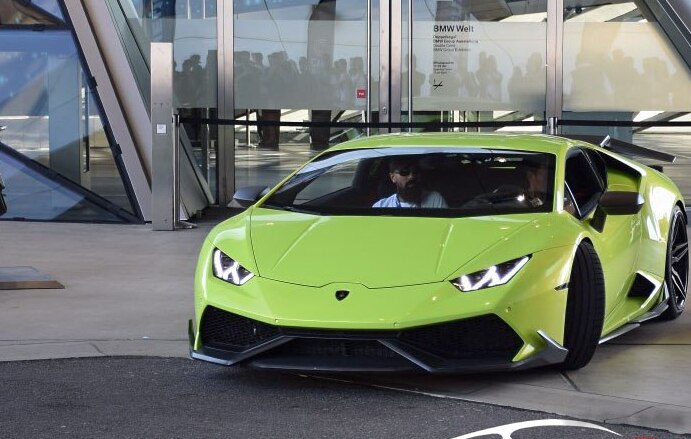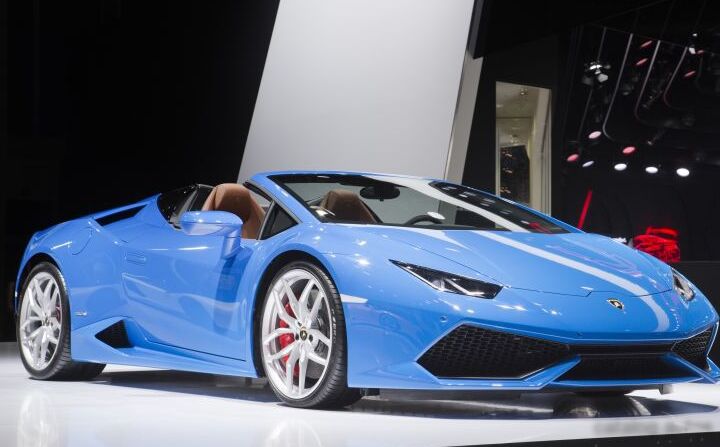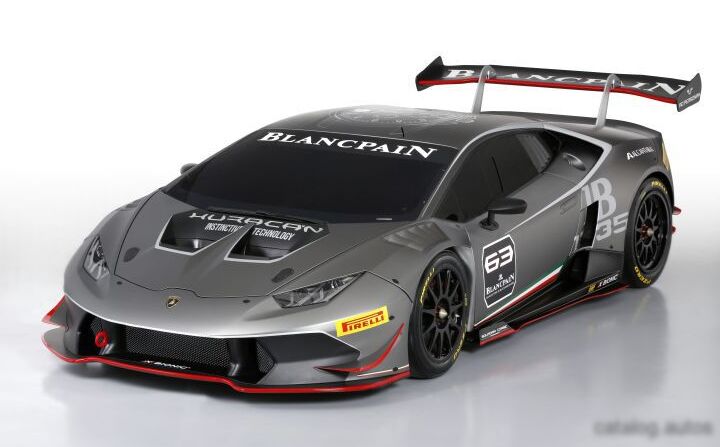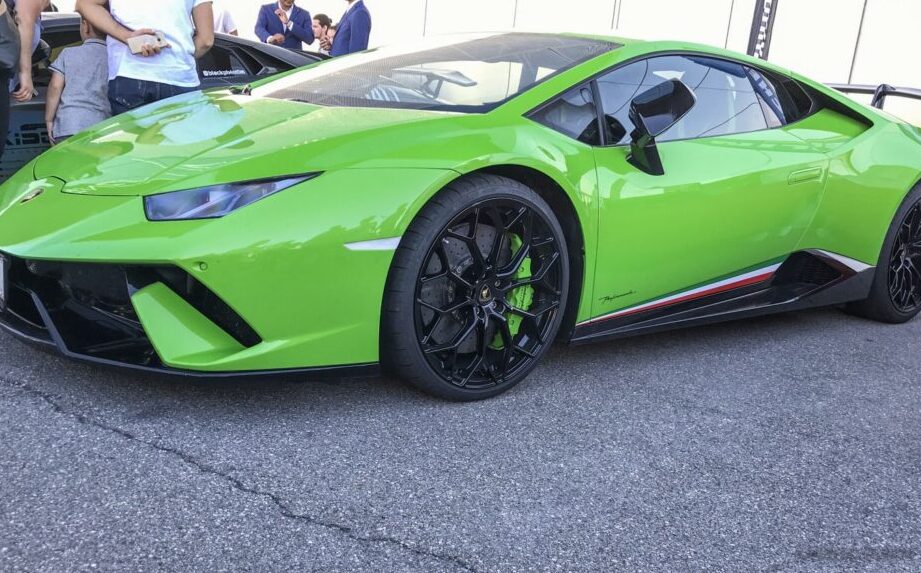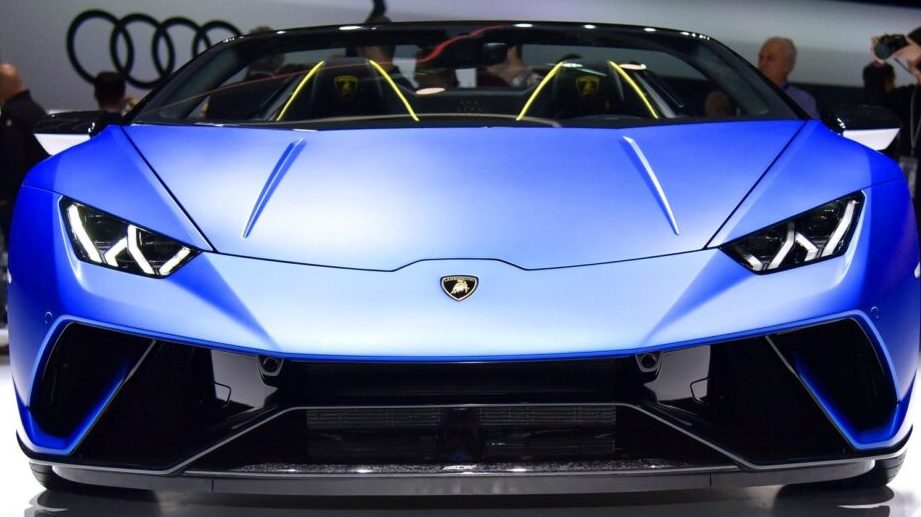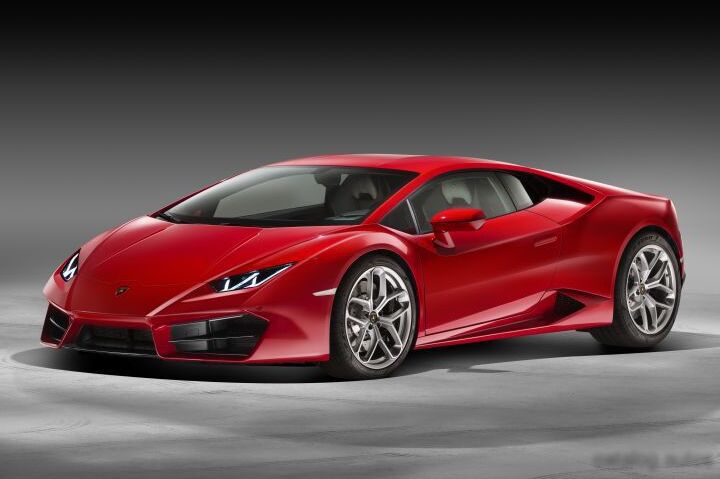
The Lamborghini Huracán LP 580-2, produced from 2015 to 2019, represents a pivotal model within the Huracán lineage. Positioned as the rear-wheel-drive variant of the first-generation Huracán (internally designated as the LP610-4’s successor), the LP 580-2 aimed to deliver a more engaging, purist driving experience compared to its all-wheel-drive siblings. It served as an entry point into the Huracán range, offering a slightly detuned engine and a focus on driver involvement. The “580-2” designation signifies the engine’s 580 metric horsepower output and the rear-wheel-drive configuration. This model was a key component in Lamborghini’s strategy to broaden the Huracán’s appeal, attracting buyers who prioritized driving dynamics over outright all-weather capability.
Technical Specifications
| Brand | Lamborghini |
| Model | Huracan |
| Generation | Huracan LP 580-2 |
| Type (Engine) | 5.2 V10 (580 Hp) LDF |
| Start of production | 2015 |
| End of production | 2019 |
| Powertrain Architecture | Internal Combustion engine |
| Body type | Coupe |
| Seats | 2 |
| Doors | 2 |
| Fuel consumption (economy) – urban (NEDC) | 17.2 l/100 km (13.7 US mpg, 16.4 UK mpg, 5.8 km/l) |
| Fuel consumption (economy) – extra urban (NEDC) | 8.9 l/100 km (26.4 US mpg, 31.7 UK mpg, 11.2 km/l) |
| Fuel consumption (economy) – combined (NEDC) | 11.9 l/100 km (19.8 US mpg, 23.7 UK mpg, 8.4 km/l) |
| CO2 emissions (NEDC) | 278 g/km |
| Fuel Type | Petrol (Gasoline) |
| Acceleration 0 – 100 km/h | 3.4 sec |
| Acceleration 0 – 62 mph | 3.4 sec |
| Acceleration 0 – 60 mph | 3.2 sec |
| Acceleration 0 – 200 km/h | 10.1 sec |
| Maximum speed | 320 km/h (198.84 mph) |
| Emission standard | Euro 6 |
| Weight-to-power ratio | 2.4 kg/Hp, 417.6 Hp/tonne |
| Weight-to-torque ratio | 2.6 kg/Nm, 388.8 Nm/tonne |
| Power | 580 Hp @ 8000 rpm |
| Power per litre | 111.5 Hp/l |
| Torque | 540 Nm @ 6500 rpm (398.28 lb.-ft. @ 6500 rpm) |
| Engine layout | Middle, Longitudinal |
| Engine Model/Code | CSJB |
| Engine displacement | 5204 cm3 (317.57 cu. in.) |
| Number of cylinders | 10 |
| Engine configuration | V-engine |
| Cylinder Bore | 84.5 mm (3.33 in.) |
| Piston Stroke | 92.8 mm (3.65 in.) |
| Compression ratio | 12.7:1 |
| Number of valves per cylinder | 4 |
| Fuel injection system | Direct injection and Multi-port manifold injection |
| Engine aspiration | Naturally aspirated engine |
| Valvetrain | DOHC |
| Engine oil capacity | 7.5 l (7.93 US qt | 6.6 UK qt) |
| Coolant | 22 l (23.25 US qt | 19.36 UK qt) |
| Kerb Weight | 1389 kg (3062.22 lbs.) |
| Fuel tank capacity | 80 l (21.13 US gal | 17.6 UK gal) |
| Length | 4459 mm (175.55 in.) |
| Width | 1924 mm (75.75 in.) |
| Width including mirrors | 2236 mm (88.03 in.) |
| Height | 1165 mm (45.87 in.) |
| Wheelbase | 2620 mm (103.15 in.) |
| Front track | 1668 mm (65.67 in.) |
| Rear (Back) track | 1620 mm (63.78 in.) |
| Minimum turning circle | 11.5 m (37.73 ft.) |
| Drivetrain Architecture | Rear wheel drive |
| Drive wheel | Rear wheel drive |
| Number of gears and type of gearbox | 7 gears, automatic transmission LDF |
| Front suspension | Coil spring, Double wishbone, Transverse stabilizer |
| Rear suspension | Double wishbone, Transverse stabilizer, Coil spring |
| Front brakes | Ventilated discs, 365×34 mm |
| Rear brakes | Ventilated discs, 356×32 mm |
| Assisting systems | ABS (Anti-lock braking system) |
| Steering type | Steering rack and pinion |
| Power steering | Electric Steering |
| Tires size | Front wheel tires: 245/35 R19 Rear wheel tires: 305/35 R19 |
| Wheel rims size | Front wheel rims: 8.5J x 19 Rear wheel rims: 11J x 19 |
Powertrain & Engine Architecture
At the heart of the Huracán LP 580-2 lies Lamborghini’s naturally aspirated 5.2-liter V10 engine, designated the CSJB. While sharing the same basic architecture as the engine in the LP610-4, the LP 580-2’s engine was detuned to produce 580 horsepower at 8,000 rpm and 540 Nm (398 lb-ft) of torque at 6,500 rpm. This reduction in power was achieved through modifications to the engine management system and valve timing. The engine features a direct injection system combined with multi-point injection, optimizing combustion efficiency and responsiveness. The valvetrain utilizes a double overhead camshaft (DOHC) configuration with four valves per cylinder. The engine’s longitudinal mid-engine placement contributes to optimal weight distribution. The LDF 7-speed dual-clutch transmission, specifically tuned for rear-wheel drive, delivers rapid and precise gear changes. This transmission differs from the all-wheel-drive variants, offering a more direct connection to the rear wheels.
Driving Characteristics
The LP 580-2’s rear-wheel-drive configuration fundamentally alters its driving characteristics compared to its all-wheel-drive counterparts. The absence of front-wheel drive introduces a greater degree of oversteer, demanding more skill and precision from the driver. The LDF transmission’s gear ratios are optimized for both acceleration and cruising, providing a balance between performance and efficiency. While the LP 610-4 prioritized stability and all-weather grip, the LP 580-2 emphasizes a more raw and engaging driving experience. Acceleration from 0 to 60 mph is achieved in approximately 3.2 seconds, and the car boasts a top speed of 198.84 mph. The reduced weight, coupled with the rear-wheel-drive setup, results in a noticeably more agile and playful chassis.
Equipment & Trim Levels
The Huracán LP 580-2 came standard with a comprehensive suite of features, including a leather interior, power-adjustable seats, a touchscreen infotainment system, and a high-performance audio system. Lamborghini offered a wide range of customization options, allowing buyers to personalize their vehicles with different interior trims, exterior colors, and carbon fiber accents. Optional extras included a lifting system for navigating speed bumps, a sports exhaust system, and various driver assistance features. The interior design focused on a driver-centric layout, with all essential controls within easy reach. Upholstery options ranged from standard leather to Alcantara, and a variety of stitching patterns were available.
Chassis & Braking
The Huracán LP 580-2 utilizes a lightweight aluminum chassis, contributing to its overall agility. The suspension system consists of double wishbones with coil springs and transverse stabilizers at both the front and rear. The braking system features ventilated discs on all four wheels, providing ample stopping power. The front brakes measure 365×34 mm, while the rear brakes are 356×32 mm. An anti-lock braking system (ABS) is standard. The chassis was specifically tuned to accommodate the rear-wheel-drive configuration, with adjustments made to the suspension geometry and damping rates to optimize handling balance.
Market Reception & Comparison
The Huracán LP 580-2 was generally well-received by automotive critics, who praised its engaging driving dynamics and accessible performance. Compared to the LP 610-4, the LP 580-2 was considered more rewarding for skilled drivers, offering a more visceral connection to the road. However, some critics noted that the rear-wheel-drive configuration required more caution in adverse weather conditions. Fuel economy, while not a primary concern for Huracán buyers, was comparable to other V10-powered supercars. The LP 580-2’s slightly lower price point made it a more attractive option for those seeking a Lamborghini experience without the added complexity and cost of all-wheel drive.
Legacy
The Lamborghini Huracán LP 580-2 has established itself as a desirable and collectible model within the Huracán range. The naturally aspirated V10 engine and rear-wheel-drive configuration are highly sought after by enthusiasts. The powertrain has proven to be relatively reliable, although regular maintenance is essential. On the used car market, the LP 580-2 commands a premium over its all-wheel-drive counterparts, reflecting its unique driving characteristics and limited production numbers. It represents a significant chapter in Lamborghini’s history, bridging the gap between the traditional supercar experience and the modern era of high-performance automobiles.