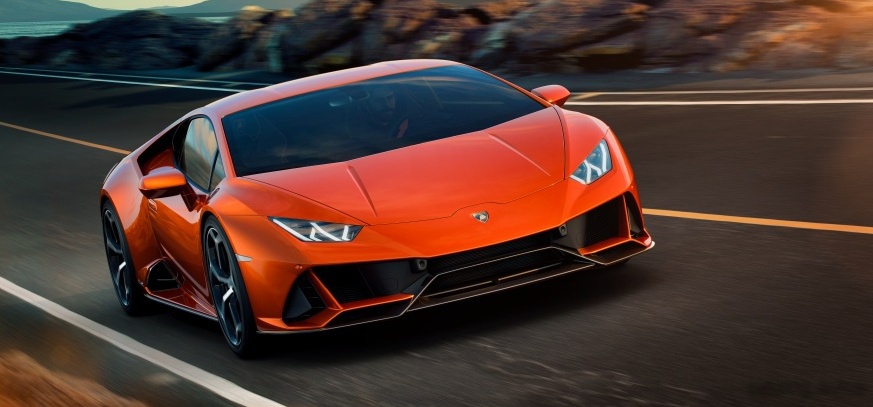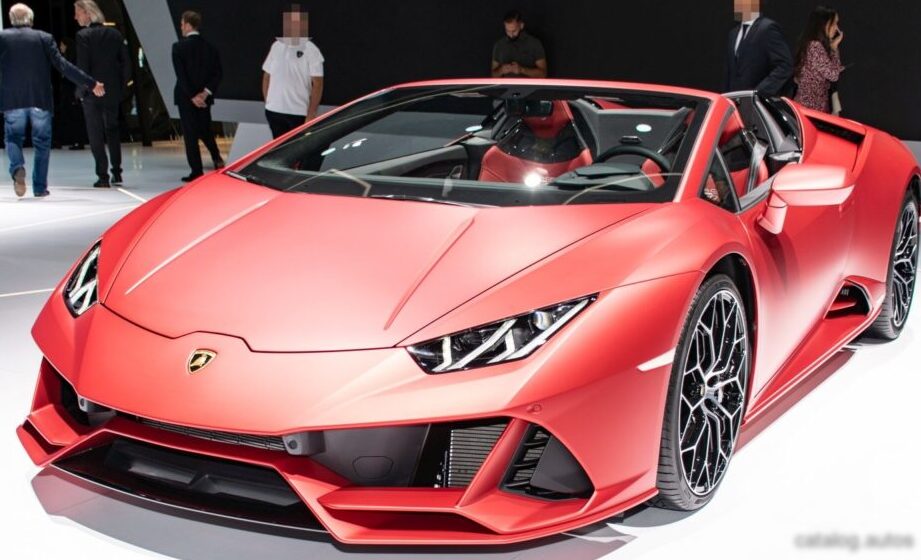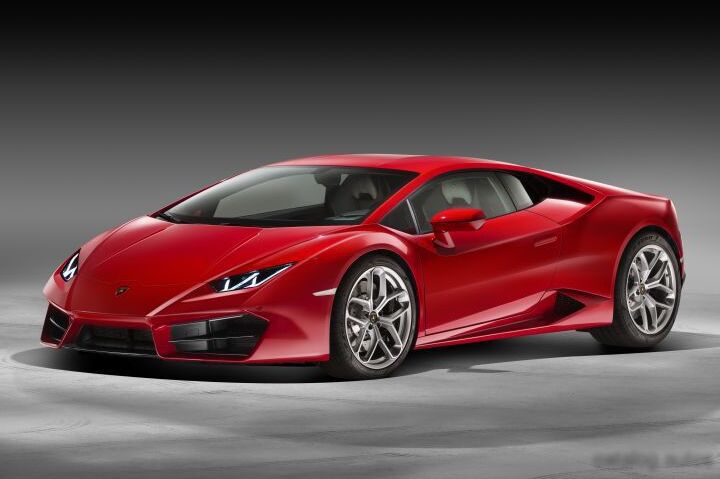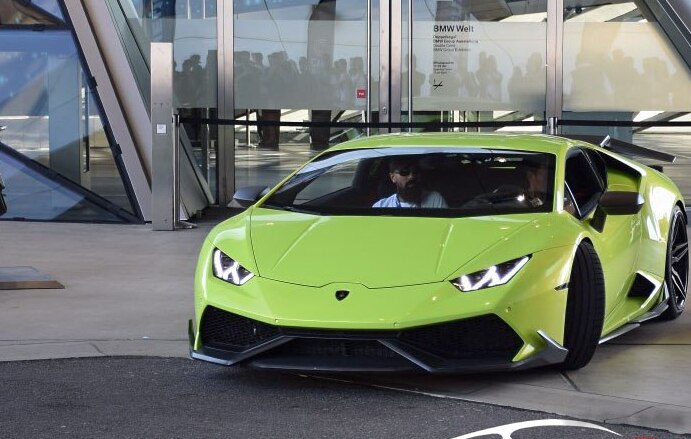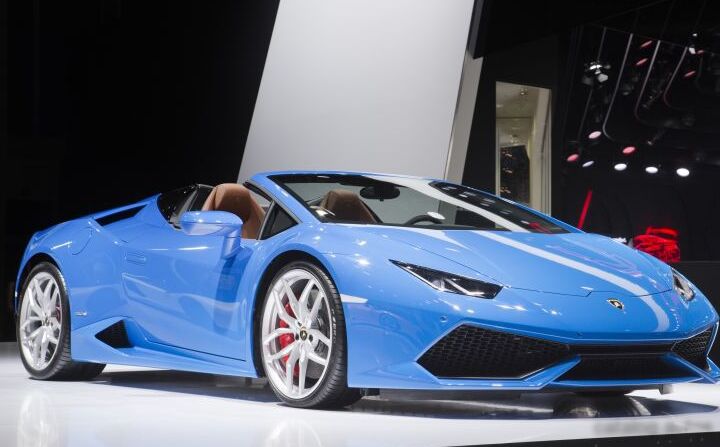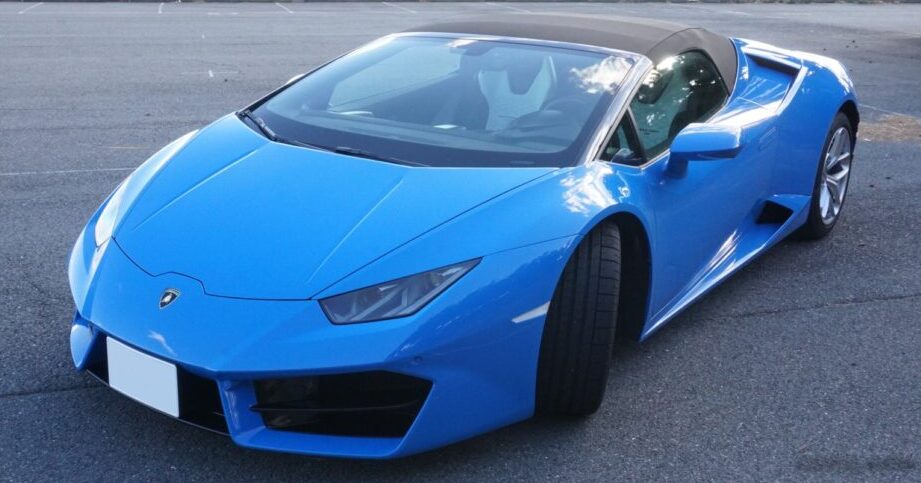
The Lamborghini Huracán LP 580-2 Spyder, produced from 2016 to 2019, represents a compelling iteration of Lamborghini’s entry-level (though still exceptionally high-performance) supercar. Positioned within the Huracán range as a rear-wheel-drive (RWD) convertible, the LP 580-2 Spyder offered a more engaging driving experience compared to its all-wheel-drive counterparts, while retaining the open-air thrill of a Spyder. It served as a bridge between the more accessible Huracán LP 580-2 coupe and the higher-performance, all-wheel-drive models like the LP 610-4. This variant aimed to deliver a purer, more visceral connection to the road, appealing to drivers who prioritized driving dynamics over ultimate all-weather capability.
Technical Specifications
| Brand | Lamborghini |
| Model | Huracán |
| Generation | Huracán LP 580-2 Spyder |
| Type (Engine) | 5.2 V10 (580 Hp) LDF |
| Start of production | 2016 |
| End of production | 2019 |
| Powertrain Architecture | Internal Combustion engine |
| Body type | Cabriolet |
| Seats | 2 |
| Doors | 2 |
| Fuel consumption (economy) – urban (NEDC) | 17.5 l/100 km (13.4 US mpg, 16.1 UK mpg, 5.7 km/l) |
| Fuel consumption (economy) – extra urban (NEDC) | 9.1 l/100 km (25.8 US mpg, 31 UK mpg, 11 km/l) |
| Fuel consumption (economy) – combined (NEDC) | 12.1 l/100 km (19.4 US mpg, 23.3 UK mpg, 8.3 km/l) |
| CO2 emissions (NEDC) | 283 g/km |
| Fuel Type | Petrol (Gasoline) |
| Acceleration 0 – 100 km/h | 3.6 sec |
| Acceleration 0 – 62 mph | 3.6 sec |
| Acceleration 0 – 60 mph | 3.4 sec |
| Acceleration 0 – 200 km/h | 10.4 sec |
| Maximum speed | 319 km/h (198.22 mph) |
| Emission standard | Euro 6 |
| Weight-to-power ratio | 2.6 kg/Hp, 384.4 Hp/tonne |
| Weight-to-torque ratio | 2.8 kg/Nm, 357.9 Nm/tonne |
| Power | 580 Hp @ 8000 rpm |
| Power per litre | 111.5 Hp/l |
| Torque | 540 Nm @ 6500 rpm (398.28 lb.-ft. @ 6500 rpm) |
| Engine layout | Middle, Longitudinal |
| Engine Model/Code | CSJB |
| Engine displacement | 5204 cm3 (317.57 cu. in.) |
| Number of cylinders | 10 |
| Engine configuration | V-engine |
| Cylinder Bore | 84.5 mm (3.33 in.) |
| Piston Stroke | 92.8 mm (3.65 in.) |
| Compression ratio | 12.7:1 |
| Number of valves per cylinder | 4 |
| Fuel injection system | Direct injection and Multi-port manifold injection |
| Engine aspiration | Naturally aspirated engine |
| Valvetrain | DOHC |
| Engine oil capacity | 7.5 l (7.93 US qt, 6.6 UK qt) |
| Coolant | 22 l (23.25 US qt, 19.36 UK qt) |
| Kerb Weight | 1509 kg (3326.78 lbs.) |
| Fuel tank capacity | 83 l (21.93 US gal, 18.26 UK gal) |
| Length | 4459 mm (175.55 in.) |
| Width | 1924 mm (75.75 in.) |
| Width with mirrors folded | 2236 mm (88.03 in.) |
| Height | 1180 mm (46.46 in.) |
| Wheelbase | 2620 mm (103.15 in.) |
| Front track | 1668 mm (65.67 in.) |
| Rear track | 1620 mm (63.78 in.) |
| Minimum turning circle | 11.5 m (37.73 ft.) |
| Drivetrain Architecture | Rear wheel drive |
| Number of gears | 7 |
| Gearbox type | Automatic transmission LDF |
| Front suspension | Coil spring, Double wishbone, Transverse stabilizer |
| Rear suspension | Double wishbone, Transverse stabilizer, Coil spring |
| Front brakes | Ventilated discs |
| Rear brakes | Ventilated discs |
| Assisting systems | ABS (Anti-lock braking system) |
| Steering type | Steering rack and pinion |
| Power steering | Electric Steering |
| Front tires | 245/35 R19 |
| Rear tires | 305/35 R19 |
| Front wheel rims | 8.5J x 19 |
| Rear wheel rims | 11J x 19 |
Powertrain & Engine Architecture
At the heart of the Huracán LP 580-2 Spyder lies Lamborghini’s naturally aspirated 5.2-liter V10 engine, designated the CSJB code. This engine is a direct descendant of the V10 first introduced in the Gallardo, but significantly refined over the years. The LP 580-2 Spyder produces 580 horsepower at 8,000 rpm and 398 lb-ft of torque at 6,500 rpm. It utilizes both direct injection and multi-point fuel injection to optimize combustion efficiency and power delivery. The engine features a dual overhead camshaft (DOHC) valvetrain with four valves per cylinder, contributing to its high-revving nature. The engine’s dry-sump lubrication system ensures consistent oil supply even under extreme cornering forces. Paired with the engine is Lamborghini’s 7-speed dual-clutch transmission (LDF), known for its incredibly fast and precise shifts. This transmission is specifically tuned for rear-wheel drive, offering a different driving experience than the all-wheel-drive variants.
Driving Characteristics
The rear-wheel-drive configuration of the LP 580-2 Spyder dramatically alters the driving experience compared to its AWD siblings. The removal of the front driveshafts reduces weight and contributes to a more agile and responsive feel. While the all-wheel-drive Huracáns offer immense grip and stability, the LP 580-2 demands more driver involvement and skill. The car is more prone to oversteer, making it a rewarding experience for experienced drivers on a track or winding roads. The 7-speed dual-clutch transmission provides near-instantaneous shifts, keeping the engine in its optimal power band. The gear ratios are tuned for acceleration, but the car is also comfortable enough for longer journeys, although the focus remains firmly on performance. Acceleration from 0 to 60 mph takes approximately 3.4 seconds, and it reaches a top speed of 198.22 mph.
Equipment & Trim Levels
The LP 580-2 Spyder came standard with a comprehensive list of features, befitting its supercar status. Interior appointments included leather upholstery, power-adjustable sports seats, and a multi-function steering wheel. The infotainment system featured a high-resolution touchscreen display with navigation and smartphone integration. Standard exterior features included 19-inch alloy wheels, LED headlights, and a power-operated soft top. A wide range of optional extras were available, allowing customers to personalize their vehicles. These included carbon fiber trim, upgraded audio systems, and various exterior styling packages. The Spyder also offered a choice of exterior colors and interior finishes, further enhancing the customization options.
Chassis & Braking
The Huracán LP 580-2 Spyder utilizes a lightweight aluminum chassis, providing a rigid and stable platform. The suspension system consists of double wishbones with coil springs and transverse stabilizers at both the front and rear. The suspension is tuned to provide a balance between comfort and performance. Braking duties are handled by ventilated disc brakes at all four corners, providing exceptional stopping power. The car is equipped with an anti-lock braking system (ABS) and electronic stability control (ESC) to enhance safety. The rear track is slightly narrower than the AWD models, contributing to the car’s more agile handling characteristics.
Market Reception & Comparison
The Huracán LP 580-2 Spyder was generally well-received by automotive critics. It was praised for its engaging driving dynamics, responsive engine, and open-air thrills. Compared to the AWD Huracán models, the LP 580-2 was seen as a more driver-focused and rewarding experience. However, some critics noted that it required more skill to drive at the limit. Fuel economy, as expected for a high-performance supercar, was relatively poor, with combined fuel consumption of around 19.4 US mpg. Reliability was generally good, although maintenance costs were high, as with all exotic cars. Compared to the higher-performance LP 610-4, the LP 580-2 offered a more accessible entry point into the Huracán lineup, while still delivering a thrilling driving experience.
Legacy
The Lamborghini Huracán LP 580-2 Spyder has established itself as a desirable and collectible supercar. Its rear-wheel-drive configuration and open-top design make it a unique and engaging driving machine. The 5.2-liter V10 engine is renowned for its reliability and performance. On the used car market, the LP 580-2 Spyder commands a premium price, reflecting its desirability and limited production numbers. It represents a sweet spot in the Huracán range, offering a balance of performance, handling, and open-air enjoyment that continues to appeal to enthusiasts today.