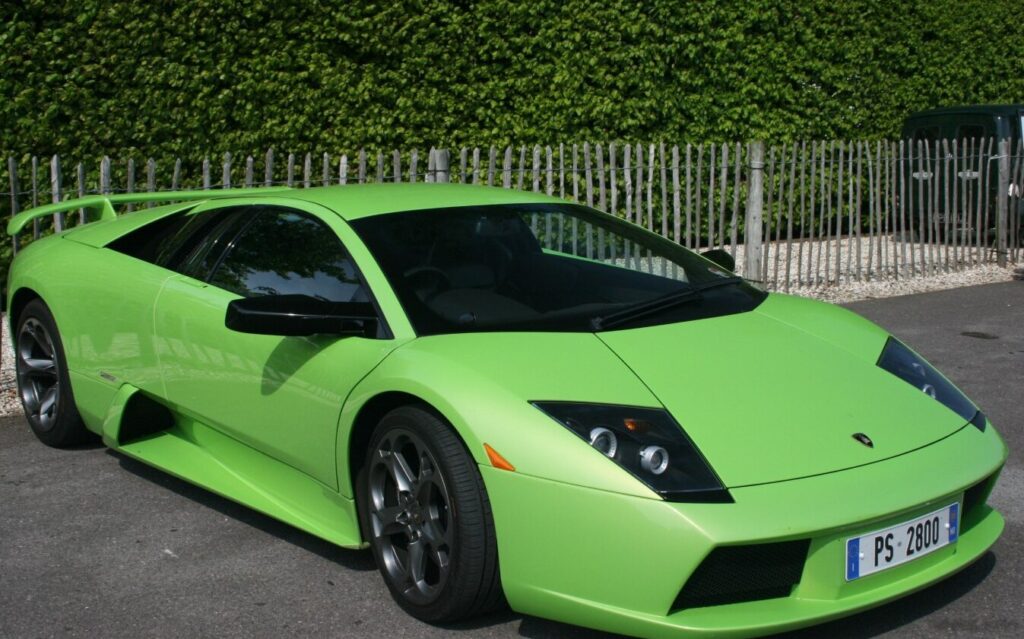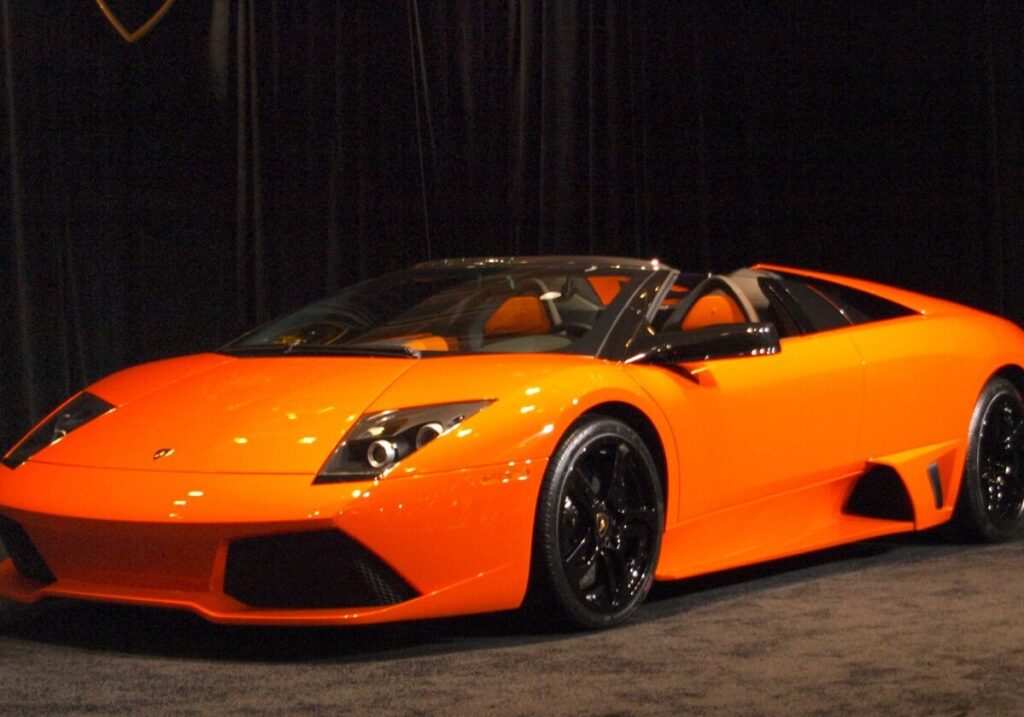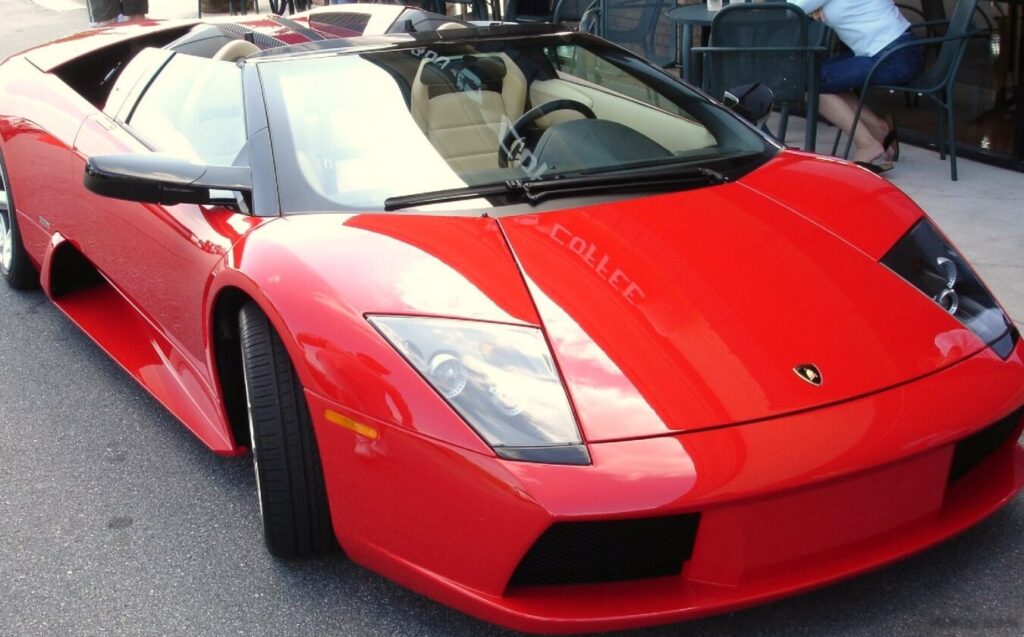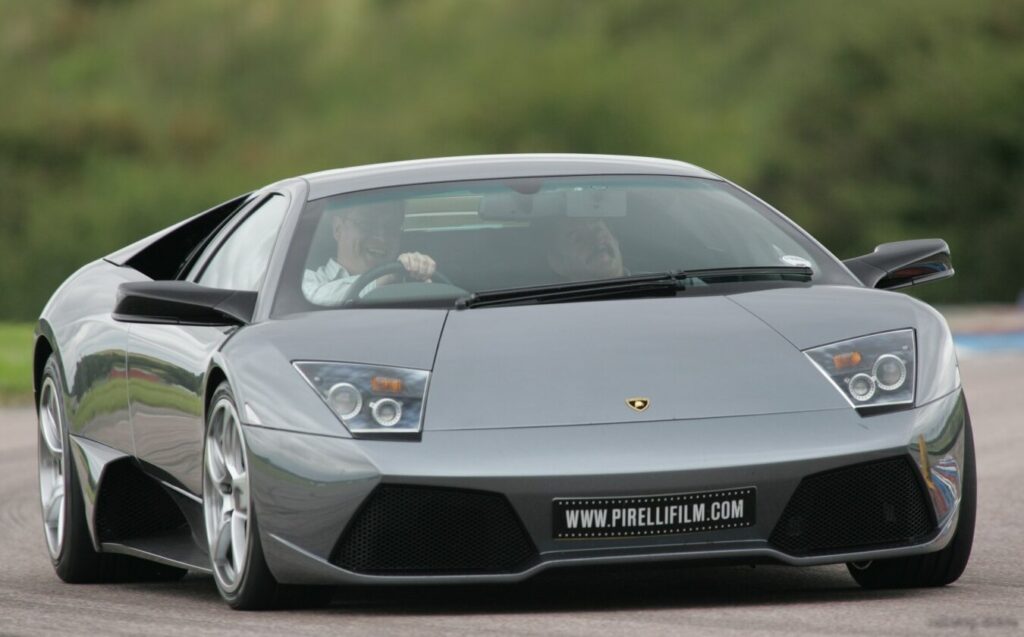
The Lamborghini Murciélago LP640, produced from 2005 to 2010, represented a significant evolution of Lamborghini’s flagship V12 model. Positioned as a substantial upgrade over the original Murciélago, the LP640 (where LP stands for “Leggera Performance”) boasted a larger displacement engine, increased power output, and revised styling. It continued the Murciélago’s role as Lamborghini’s primary competitor to the Ferrari 575M Maranello and later, the Ferrari F430, offering a dramatic and uncompromising supercar experience. The LP640 was available exclusively as a coupe during its production run, with the e-gear automated manual transmission being the standard offering, though a traditional six-speed manual was available in select markets.
Technical Specifications
| Brand | Lamborghini |
| Model | Murcielago |
| Generation | Murcielago LP640 |
| Type (Engine) | 6.5 V12 48V (640 Hp) |
| Start of production | 2005 |
| End of production | 2010 |
| Powertrain Architecture | Internal Combustion engine |
| Body type | Coupe |
| Seats | 2 |
| Doors | 2 |
| Fuel consumption (economy) – urban | 32.31 l/100 km (7.3 US mpg, 8.7 UK mpg, 3.1 km/l) |
| Fuel consumption (economy) – extra urban | 15.01 l/100 km (15.7 US mpg, 18.8 UK mpg, 6.7 km/l) |
| Fuel consumption (economy) – combined | 21.31 l/100 km (11 US mpg, 13.3 UK mpg, 4.7 km/l) |
| Fuel Type | Petrol (Gasoline) |
| Acceleration 0 – 100 km/h | 3.4 sec |
| Acceleration 0 – 62 mph | 3.4 sec |
| Acceleration 0 – 60 mph | 3 sec |
| Maximum speed | 338 km/h (210.02 mph) |
| Weight-to-power ratio | 2.9 kg/Hp, 349.7 Hp/tonne |
| Weight-to-torque ratio | 2.8 kg/Nm, 360.7 Nm/tonne |
| Power | 640 Hp @ 8000 rpm |
| Power per litre | 98.5 Hp/l |
| Torque | 660 Nm (486.79 lb.-ft.) |
| Engine layout | Middle, Longitudinal |
| Engine Model/Code | L537 |
| Engine displacement | 6496 cm3 (396.41 cu. in.) |
| Number of cylinders | 12 |
| Engine configuration | V-engine |
| Cylinder Bore | 88 mm (3.46 in.) |
| Piston Stroke | 89 mm (3.5 in.) |
| Compression ratio | 11.2:1 |
| Number of valves per cylinder | 4 |
| Fuel injection system | Multi-port manifold injection |
| Engine aspiration | Naturally aspirated engine |
| Valvetrain | DOHC |
| Engine oil capacity | 13.5 l (14.27 US qt, 11.88 UK qt) |
| Coolant capacity | 15 l (15.85 US qt, 13.2 UK qt) |
| Kerb Weight | 1830 kg (4034.46 lbs.) |
| Max. weight | 2015 kg (4442.31 lbs.) |
| Max load | 185 kg (407.86 lbs.) |
| Trunk (boot) space – minimum/maximum | 140 l (4.94 cu. ft.) |
| Fuel tank capacity | 100 l (26.42 US gal, 22 UK gal) |
| Length | 4610 mm (181.5 in.) |
| Width | 2058 mm (81.02 in.) |
| Height | 1135 mm (44.69 in.) |
| Wheelbase | 2665 mm (104.92 in.) |
| Front track | 1635 mm (64.37 in.) |
| Rear (Back) track | 1695 mm (66.73 in.) |
| Drive wheel | All wheel drive (4×4) |
| Number of gears and type of gearbox | 6 gears, manual/automated manual transmission |
| Front suspension | Double wishbone |
| Rear suspension | Double wishbone |
| Front brakes | Ventilated discs |
| Rear brakes | Ventilated discs |
| Assisting systems | ABS (Anti-lock braking system) |
| Steering type | Steering rack and pinion |
| Power steering | Hydraulic Steering |
| Tires size | 235/35 R19; 295/30 R19 |
| Wheel rims size | 19 inches |
Powertrain & Engine Architecture
The heart of the LP640 is its 6.5-liter V12 engine, designated the L537. This engine represented a significant increase in displacement from the previous Murciélago’s 6.2-liter unit. The larger displacement, combined with revised cylinder heads and a higher compression ratio of 11.2:1, resulted in a power output of 640 horsepower at 8,000 rpm and 660 Nm (486.79 lb-ft) of torque. The engine utilizes a multi-port fuel injection system and double overhead camshafts (DOHC) with four valves per cylinder. The LP640 retained a naturally aspirated configuration, eschewing turbocharging or supercharging in favor of a more traditional, linear power delivery. The standard transmission was a six-speed e-gear automated manual transmission, offering faster shift times than a conventional manual. However, a traditional six-speed manual gearbox was available as a no-cost option in some markets, catering to purists.
Driving Characteristics
The LP640’s driving experience is defined by its raw power and dramatic performance. Acceleration from 0 to 60 mph takes approximately 3 seconds, and it can reach a top speed of 338 km/h (210 mph). The e-gear transmission, while quick, could be jerky at low speeds, particularly in the ‘Corsa’ mode. The manual transmission offered a more engaging experience, but required considerable skill to master. The LP640’s all-wheel-drive system provides excellent traction, but the car still demands respect and careful handling due to its immense power. Compared to the earlier Murciélago, the LP640 felt more refined and composed, with improved stability at high speeds. However, it remained a demanding car to drive, requiring a skilled driver to fully exploit its potential.
Equipment & Trim Levels
The LP640 came standard with a high level of equipment, befitting its status as a flagship supercar. Interior features included leather upholstery, power-adjustable seats, a premium audio system, and climate control. Optional extras included carbon fiber interior trim, upgraded navigation systems, and custom paint finishes. The exterior styling was also revised, with a more aggressive front fascia, larger air intakes, and redesigned taillights. The LP640 was not offered in multiple trim levels; customization was primarily achieved through the extensive options list.
Chassis & Braking
The Murciélago LP640 utilized a lightweight chassis constructed from a combination of steel and carbon fiber. The suspension system consisted of independent double wishbones at all four corners, providing a firm but controlled ride. Braking duties were handled by ventilated disc brakes with ABS, offering impressive stopping power. The LP640’s braking system was designed to withstand the stresses of high-performance driving, and provided consistent performance even under repeated hard use. The car’s wide track and low center of gravity contributed to its excellent handling characteristics.
Market Reception & Comparison
The Lamborghini Murciélago LP640 was generally well-received by automotive critics. It was praised for its stunning performance, dramatic styling, and improved refinement over the original Murciélago. However, its high price, demanding driving characteristics, and relatively poor fuel economy were also noted. Compared to the standard Murciélago, the LP640 offered a significant performance upgrade, but at a considerable cost. It also offered a more refined driving experience, but remained a challenging car to drive at the limit. Fuel economy was predictably poor, averaging around 11 US mpg in combined driving.
Legacy
The Lamborghini Murciélago LP640 represents a pivotal moment in Lamborghini’s history. It solidified the Murciélago’s position as a true supercar and paved the way for the Aventador, its successor. The L537 V12 engine proved to be a robust and reliable powerplant, and many examples of the LP640 remain on the road today. On the used car market, the LP640 commands a premium price, reflecting its rarity, performance, and iconic status. Maintenance costs can be substantial, however, due to the car’s complex engineering and the high cost of parts. Despite these costs, the LP640 remains a highly sought-after supercar for enthusiasts and collectors alike.