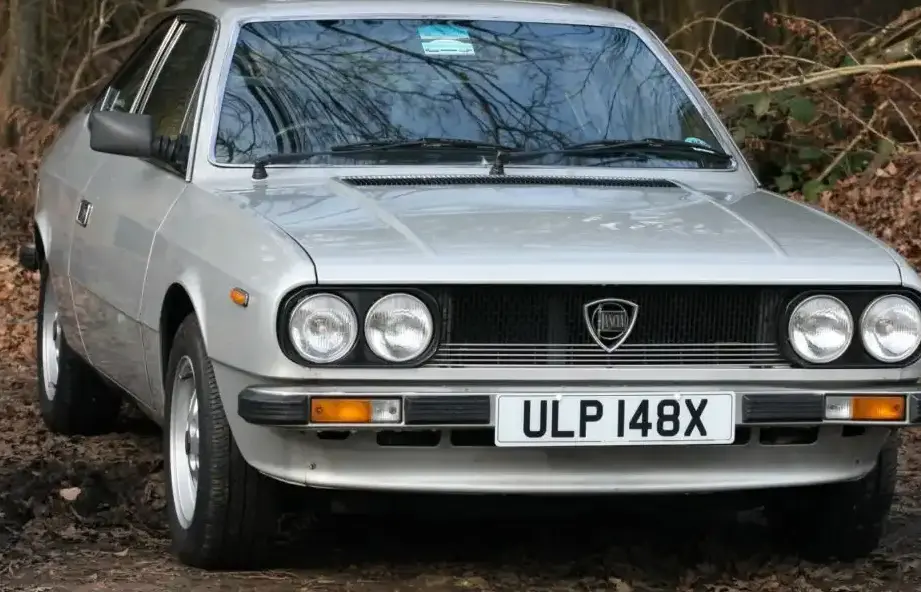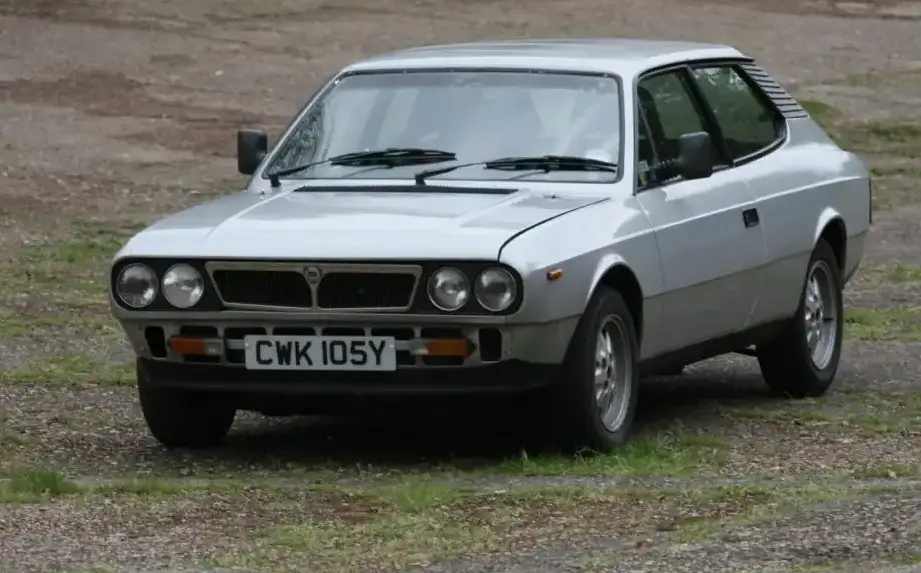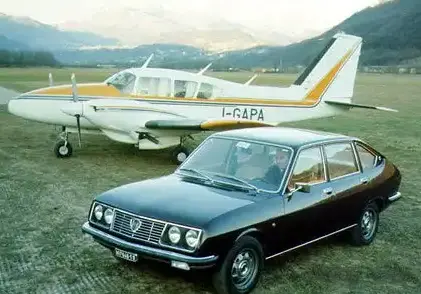
The Lancia Beta 1600 (828.CB), producing 101 horsepower, was a pivotal model within the broader Lancia Beta range, manufactured between 1976 and 1985. Representing the mid-range offering in the 828 series, it aimed to balance performance with affordability, appealing to a wider customer base than the more sporting Volumex turbocharged variants or the base 1300 models. The Beta series, designed under the leadership of Ernst Fiala, was a significant departure for Lancia, moving towards more conventional front-wheel-drive layouts and modern construction techniques. The 828 designation refers to the project code during development, and the ‘CB’ suffix specifically identifies the 1600cc engine variant.
Technical Specifications
| Brand | Lancia |
| Model | Beta |
| Generation | Beta (828) |
| Type (Engine) | 1600 (828.CB) (101 Hp) |
| Start of Production | 1976 |
| End of Production | 1985 |
| Powertrain Architecture | Internal Combustion Engine |
| Body Type | Sedan |
| Fuel Type | Petrol (Gasoline) |
| Power | 101 Hp |
| Engine Model/Code | 828 B.000 |
| Engine Aspiration | Naturally Aspirated |
| Engine Oil Capacity | 4.2 l (4.44 US qt | 3.7 UK qt) |
| Coolant Capacity | 7.5 l (7.93 US qt | 6.6 UK qt) |
Powertrain & Engine Architecture
The heart of the Beta 1600 (828.CB) is the 828 B.000 engine, a 1585cc inline-four cylinder unit. This engine is notable for its all-aluminum construction, a relatively advanced feature for the mid-1970s, contributing to a lighter overall weight. The engine utilizes a belt-driven single overhead camshaft (SOHC) operating two valves per cylinder. Fuel delivery is managed by a Weber 32 ADF carburetor, a common setup for European cars of the era. The combustion chamber design and relatively high 9.2:1 compression ratio helped extract 101 horsepower at 6200 rpm and 99 lb-ft of torque at 4000 rpm. The engine’s block incorporates a five-main bearing crankshaft for improved durability. The Beta 1600 was typically paired with a four-speed manual transmission, but a three-speed automatic transmission was also offered, though less common. The automatic transmission, a GM-sourced unit, was known for its smooth operation but contributed to slightly reduced acceleration and fuel economy.
Driving Characteristics
The Beta 1600, particularly in manual form, offered a reasonably engaging driving experience for its time. The 101 hp engine provided adequate power for comfortable cruising and overtaking, although it wasn’t a particularly sporty performer. The automatic transmission version, while offering convenience, noticeably dulled the car’s responsiveness. Gear ratios in the manual transmission were well-spaced, allowing the engine to remain within its optimal power band during normal driving conditions. The front-wheel-drive layout provided good traction in most conditions, but could exhibit understeer when pushed hard. The relatively light weight of the Beta, thanks to the aluminum engine and generally minimalist construction, helped to offset the modest horsepower output. Compared to the 1300cc Beta, the 1600 offered a significant improvement in performance, while remaining more affordable and less complex than the Volumex turbocharged models.
Equipment & Trim Levels
The Beta 1600 (828.CB) typically came equipped with a fairly standard level of features for a car in its class during the 1970s and early 1980s. Standard equipment included cloth upholstery, a basic instrument cluster with speedometer, fuel gauge, and temperature gauge, and manually adjustable seats. Power steering was often an optional extra, as was air conditioning. Higher trim levels, often denoted by suffixes like “LX” or “ES”, added features such as upgraded interior trim, alloy wheels, a more comprehensive instrument panel, and potentially a sunroof. The dashboard layout was functional and straightforward, with a focus on ergonomics. Radio options were typically offered as dealer-installed accessories.
Chassis & Braking
The Lancia Beta 828 series utilized an independent front suspension with MacPherson struts and a torsion bar stabilizer. The rear suspension employed a trailing arm setup with a coil spring and shock absorber. This suspension configuration provided a comfortable ride quality, although it wasn’t particularly sporty. Braking on the Beta 1600 typically consisted of disc brakes on the front wheels and drum brakes on the rear wheels. The braking system was hydraulically operated, with a dual-circuit master cylinder for added safety. Stabilizer bars were fitted to both the front and rear axles to reduce body roll during cornering. The steering was a rack-and-pinion system, providing precise and responsive steering feel.
Market Reception & Comparison
The Lancia Beta 1600 was generally well-received by automotive critics as a practical and well-engineered family car. It was praised for its comfortable ride, good handling, and relatively fuel-efficient engine. However, some critics noted that the interior was somewhat spartan compared to some of its competitors, and the performance of the automatic transmission version was considered underwhelming. Compared to rivals like the Fiat 132 or the Renault 16, the Beta 1600 offered a more sophisticated driving experience and a reputation for higher build quality. Fuel economy was respectable for the era, averaging around 28-32 mpg depending on driving conditions and transmission choice. Reliability was generally good, although the aluminum engine components were susceptible to corrosion if not properly maintained.
Legacy
The Lancia Beta 1600, while not a groundbreaking model in terms of performance, played a significant role in modernizing Lancia’s lineup and establishing the brand as a producer of well-engineered front-wheel-drive cars. The 828 B.000 engine proved to be a durable and reliable unit when properly maintained. Today, the Beta 1600 is a popular choice among classic car enthusiasts, particularly those seeking a stylish and affordable Italian car from the 1970s and 1980s. Parts availability can be a challenge, but a dedicated community of owners and specialists exists to support the preservation of these vehicles. The manual transmission versions are generally more sought after due to their superior performance and driving experience. Well-maintained examples command a reasonable price in the used car market, reflecting the Beta’s enduring appeal and historical significance.