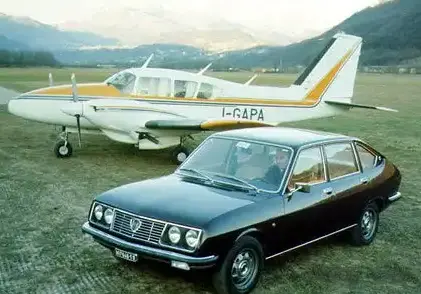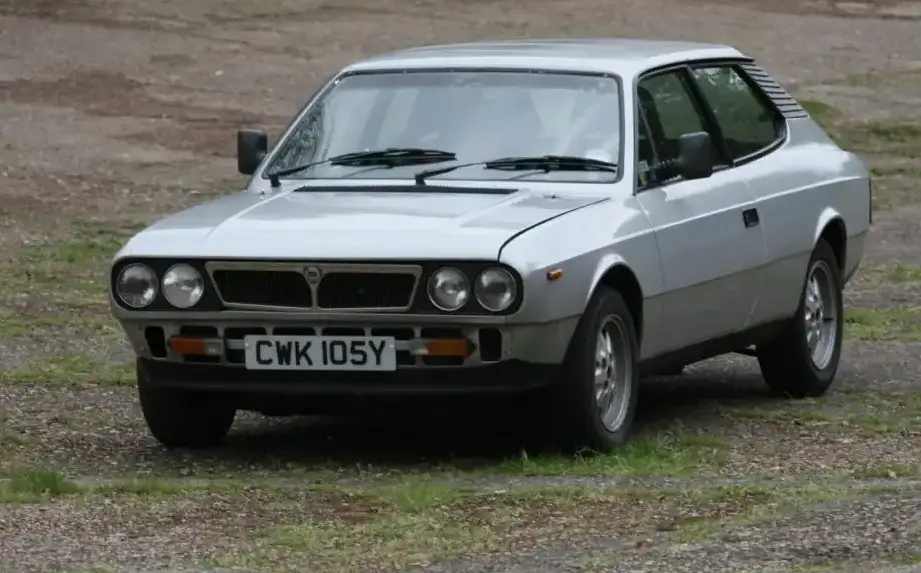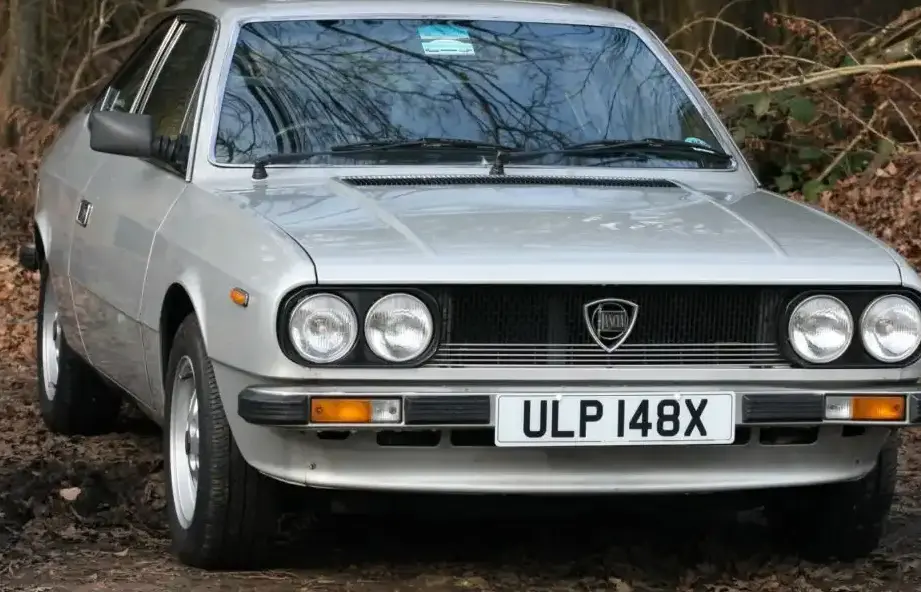
The Lancia Beta Coupe (BC) 2000, produced between 1981 and 1984, represents a refined iteration of the Beta Coupe line, offering a more potent engine option within the already stylish and technically advanced platform. Positioned as a step up from the earlier 1.6 and 1.8 liter versions, the 2000 model aimed to provide a more engaging driving experience while retaining the Beta Coupe’s core values of comfort and sophisticated design. It was a key part of Lancia’s attempt to modernize its image and appeal to a broader European audience, particularly those seeking a sporty yet practical grand tourer. The BC designation refers to the *Berlinetta Coupe* body style, and the 2000 indicates the engine displacement.
Technical Specifications
| Brand | Lancia |
| Model | Beta |
| Generation | Beta Coupe (BC) |
| Type (Engine) | 2000 (116 Hp) |
| Start of Production | 1981 |
| End of Production | 1984 |
| Powertrain Architecture | Internal Combustion Engine |
| Body Type | Coupe |
| Fuel Type | Petrol (Gasoline) |
| Power | 116 Hp |
| Engine Model/Code | 828 B1.000 |
| Engine Aspiration | Naturally Aspirated |
| Engine Oil Capacity | 4.2 l (4.44 US qt | 3.7 UK qt) |
| Coolant Capacity | 7.5 l (7.93 US qt | 6.6 UK qt) |
Powertrain & Engine Architecture
The heart of the Beta Coupe 2000 is the 828 B1.000 engine, a 1995cc, inline-four cylinder powerplant. This engine is a development of the earlier Beta engines, featuring a cast iron block and an aluminum cylinder head. It utilizes a belt-driven, single overhead camshaft (SOHC) valvetrain operating two valves per cylinder. Fuel delivery is managed by a Bosch mechanical fuel injection system, a significant upgrade over the carburetors found on earlier Beta models. This injection system, while not as sophisticated as later electronic systems, provided improved fuel efficiency and more consistent performance. The engine boasts a compression ratio of 9.2:1, contributing to its 116 horsepower output at 6200 rpm and 137 lb-ft of torque at 4000 rpm. The engine was typically paired with a four-speed manual transmission, though a three-speed automatic transmission was also available, albeit less common. The automatic transmission, a General Motors sourced unit, was known for its smoothness but at the expense of some performance.
Driving Characteristics
The Beta Coupe 2000 offered a noticeable improvement in performance over its lower-displacement siblings. The increased horsepower and torque translated to quicker acceleration and a more relaxed cruising experience. With the manual transmission, 0-60 mph times were typically in the region of 9.5 to 10.5 seconds, respectable for a coupe of its era. The automatic transmission, however, added approximately a second to this time. The engine’s power delivery was relatively linear, making it easy to control, but it lacked the outright punch of some contemporary sports cars. The Beta Coupe’s independent suspension – featuring MacPherson struts at the front and a De Dion axle at the rear – provided a comfortable ride and good handling characteristics. However, the car’s relatively narrow track width and modest tire sizes limited its ultimate cornering grip. The automatic transmission, while smooth, did detract from the driving experience, resulting in a less engaging feel compared to the manual version. Gear ratios were optimized for cruising, rather than outright acceleration.
Equipment & Trim Levels
The Beta Coupe 2000 was generally well-equipped for its time. Standard features included power-assisted steering, front disc brakes, cloth upholstery, and a comprehensive instrument panel. Interior trim levels varied, with higher-spec models featuring upgraded cloth or leather upholstery, wood veneer trim, and electric windows. Optional extras included a sunroof, air conditioning, and a more advanced stereo system. The dashboard layout was typically Italian in its design, with a focus on ergonomics and aesthetics. The seats were known for their comfort, making the Beta Coupe a suitable vehicle for long-distance journeys. The 2000 model often received subtle exterior enhancements, such as revised grille designs and additional chrome trim, to differentiate it from the lower-spec versions.
Chassis & Braking
The Beta Coupe utilized a monocoque chassis construction, providing a good balance of strength and rigidity. The front suspension employed MacPherson struts with anti-roll bar, while the rear featured a De Dion axle with trailing arms and a coil spring. This setup aimed to provide a comfortable ride and predictable handling. Braking duties were handled by disc brakes at the front and drum brakes at the rear. While adequate for normal driving conditions, the rear drum brakes were a point of criticism, as they lacked the stopping power and fade resistance of disc brakes. The steering was rack and pinion, providing precise and responsive control. Wheel sizes were typically 14 inches, with tires offering a reasonable compromise between grip and ride comfort.
Market Reception & Comparison
The Lancia Beta Coupe 2000 was generally well-received by automotive critics. It was praised for its stylish design, comfortable interior, and improved performance compared to the earlier models. However, some critics noted the car’s relatively modest power output and the limitations of the rear drum brakes. Compared to rivals such as the Alfa Romeo Alfetta GT and the Porsche 924, the Beta Coupe 2000 offered a more affordable and practical alternative. The 1.8 liter Beta Coupe was seen as a more economical choice, while the 2000 offered a more engaging driving experience. Fuel economy for the 2000 model was around 22-26 mpg, depending on driving conditions. Reliability was generally good, although the Bosch fuel injection system could require occasional maintenance. The automatic transmission versions were often considered less desirable due to their reduced performance.
Legacy
The Lancia Beta Coupe 2000, while not a high-volume seller, remains a fondly remembered classic. The 828 B1.000 engine proved to be relatively durable, and well-maintained examples continue to provide reliable transportation today. The Beta Coupe’s innovative design and engineering, particularly its independent suspension and fuel injection system, were ahead of their time. In the used car market, the manual transmission versions of the 2000 model are generally more sought after by enthusiasts. Parts availability can be a challenge, but a dedicated network of Lancia specialists and online suppliers helps to keep these cars on the road. The Beta Coupe 2000 represents a high point in Lancia’s history, showcasing the brand’s commitment to innovation, style, and driving pleasure. It’s a testament to Italian automotive engineering and a reminder of a time when cars were designed to be enjoyed.