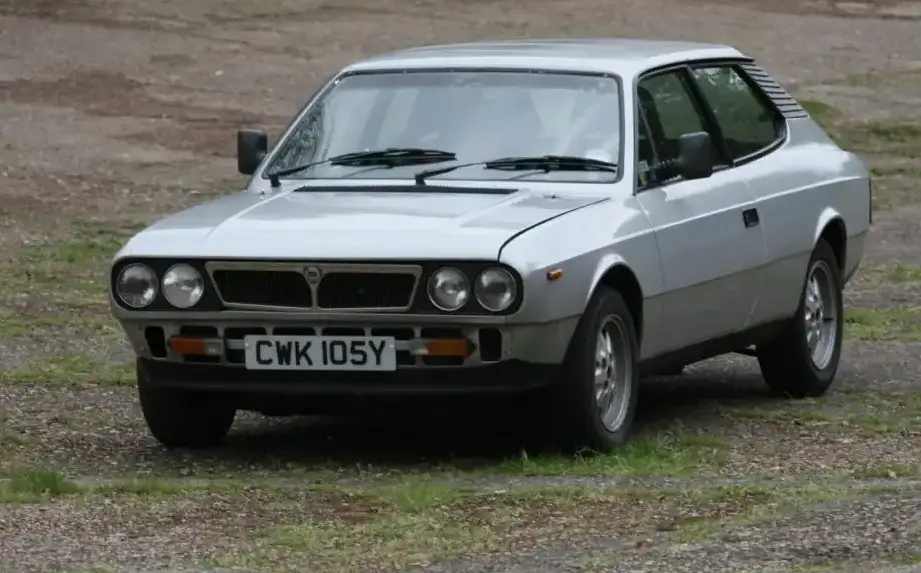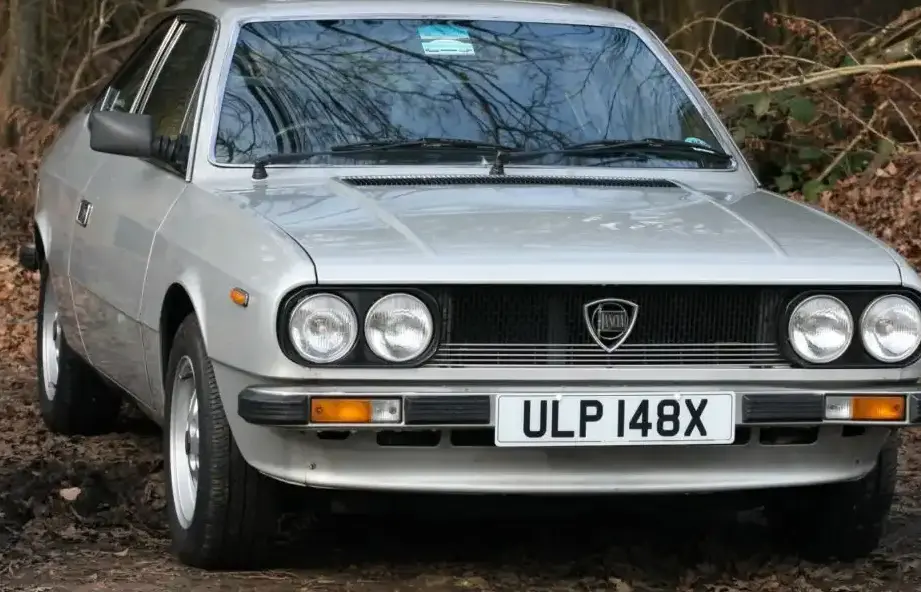
The Lancia Beta Coupe (BC) 1300, produced between 1981 and 1984, represented the entry point into the stylish Beta Coupe range. Positioned below the 1600 and 2000 models, the 1300 offered a more economical and accessible option for buyers seeking Italian flair and handling. It was part of the second series of the Beta Coupe (BC), identifiable by minor cosmetic updates and refinements over the earlier models. The Beta Coupe, built on a shortened Beta sedan platform, aimed to provide a sporty and sophisticated alternative in the compact coupe market, primarily targeting European consumers. The 1300 variant, while not the performance leader of the lineup, offered a compelling blend of style, comfort, and reasonable running costs.
Technical Specifications
| Brand | Lancia |
| Model | Beta |
| Generation | Beta Coupe (BC) |
| Type (Engine) | 1300 (84 Hp) |
| Start of production | 1981 |
| End of production | 1984 |
| Powertrain Architecture | Internal Combustion engine |
| Body type | Coupe |
| Fuel Type | Petrol (Gasoline) |
| Power | 84 Hp |
| Engine Model/Code | 828C3.000 |
| Engine aspiration | Naturally aspirated engine |
| Engine oil capacity | 4.2 l / 4.44 US qt / 3.7 UK qt |
| Coolant capacity | 7.6 l / 8.03 US qt / 6.69 UK qt |
Powertrain & Engine Architecture
The heart of the Beta Coupe 1300 was the 1301cc (79.6 cubic inch) inline-four cylinder engine, designated as the 828C3.000. This engine was a single overhead camshaft (SOHC) design, featuring two valves per cylinder. It utilized a belt-driven camshaft, a relatively modern feature for the time, contributing to quieter operation compared to chain-driven systems. Fuel delivery was managed by a Weber 32 DMSA carburetor, a common setup for European cars of this era. The engine produced 84 horsepower (63 kW) at 6000 rpm and 88 lb-ft (120 Nm) of torque at 4000 rpm. The engine block was cast iron, while the cylinder head was aluminum, helping to reduce weight. The Beta 1300 was exclusively offered with a four-speed manual transmission, a characteristic that differentiated it from some of the higher-spec Beta models which could be equipped with a five-speed gearbox or automatic transmission. The transmission was rear-wheel drive, a traditional layout for Lancia at the time.
Driving Characteristics
The 1300 Coupe, with its smaller engine and four-speed transmission, offered a distinctly different driving experience compared to its 1600 and 2000 siblings. Acceleration was adequate for everyday driving, but it wasn’t a particularly quick car. Zero to sixty mph times were typically in the 11-12 second range. The four-speed gearbox, while providing a direct and engaging feel, meant that the engine could be working hard at highway speeds. Gear ratios were relatively short, prioritizing acceleration in the lower gears. The Beta Coupe was renowned for its excellent handling, and the 1300 variant benefited from the well-engineered independent suspension – featuring double wishbones at the front and a live axle with trailing arms at the rear. The steering was light and precise, making the car enjoyable to drive on winding roads. However, the lower power output meant that the 1300 lacked the effortless cruising ability of the larger-engined models. The car felt nimble and responsive, but drivers seeking more outright performance would likely opt for the 1600 or 2000.
Equipment & Trim Levels
The Beta Coupe 1300 was generally equipped with a fairly basic level of trim, reflecting its position as the entry-level model. Standard features typically included cloth upholstery, a basic instrument panel with speedometer, fuel gauge, and temperature gauge, and manually operated windows and door locks. The interior design was typically Italian – stylish and functional, but not overly luxurious. Optional extras included a sunroof, upgraded stereo system, and metallic paint finishes. The dashboard layout was clean and straightforward, with all controls within easy reach of the driver. The seats were comfortable and supportive, providing adequate cushioning for long journeys. The 1300 often featured simpler wheel covers compared to the more elaborate alloy wheels available on the higher-spec models.
Chassis & Braking
The Beta Coupe utilized a monocoque chassis construction, providing a good balance of strength and rigidity. The front suspension featured independent double wishbones with coil springs and telescopic shock absorbers. The rear suspension employed a live axle with trailing arms, coil springs, and telescopic shock absorbers. Braking was initially provided by disc brakes at the front and drum brakes at the rear. Later models saw the introduction of rear disc brakes as standard equipment, improving stopping performance. The steering was a rack and pinion system, providing precise and responsive handling. The 1300 Coupe’s relatively light weight, compared to the larger-engined models, contributed to its nimble handling characteristics. Stabilizer bars were fitted to both the front and rear axles, further reducing body roll during cornering.
Market Reception & Comparison
The Lancia Beta Coupe 1300 was generally well-received by automotive critics, who praised its stylish design, excellent handling, and comfortable ride. However, some reviewers noted that the 1300 engine felt underpowered, particularly when compared to the 1600 and 2000 models. Fuel economy was reasonable for the time, averaging around 28-32 mpg. Reliability was a mixed bag, with some owners reporting issues with the electrical system and carburetor. Compared to its rivals, such as the Fiat Coupe and Alfa Romeo Alfetta, the Beta Coupe offered a unique blend of Italian style and engineering. The 1300 variant was often seen as a more practical and affordable alternative to the more expensive and performance-oriented models. It appealed to buyers who prioritized style and handling over outright speed.
Legacy
The Lancia Beta Coupe 1300, while not the most sought-after variant of the Beta Coupe range, has developed a loyal following among classic car enthusiasts. The 828C3.000 engine, while not known for its exceptional power, is relatively simple to maintain and repair. Parts availability can be a challenge, but a dedicated network of Lancia specialists and online suppliers exists. Today, well-maintained examples of the Beta Coupe 1300 are becoming increasingly collectible, representing a stylish and affordable entry point into the world of classic Italian coupes. The car’s enduring appeal lies in its elegant design, engaging driving dynamics, and the unique character that is synonymous with the Lancia brand. Rust remains the biggest enemy of these cars, so finding a well-preserved example is crucial.