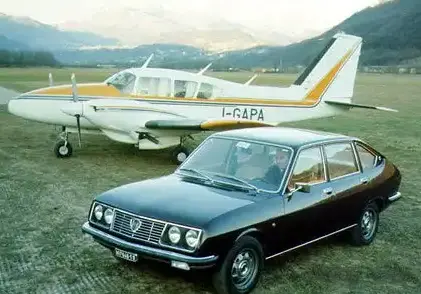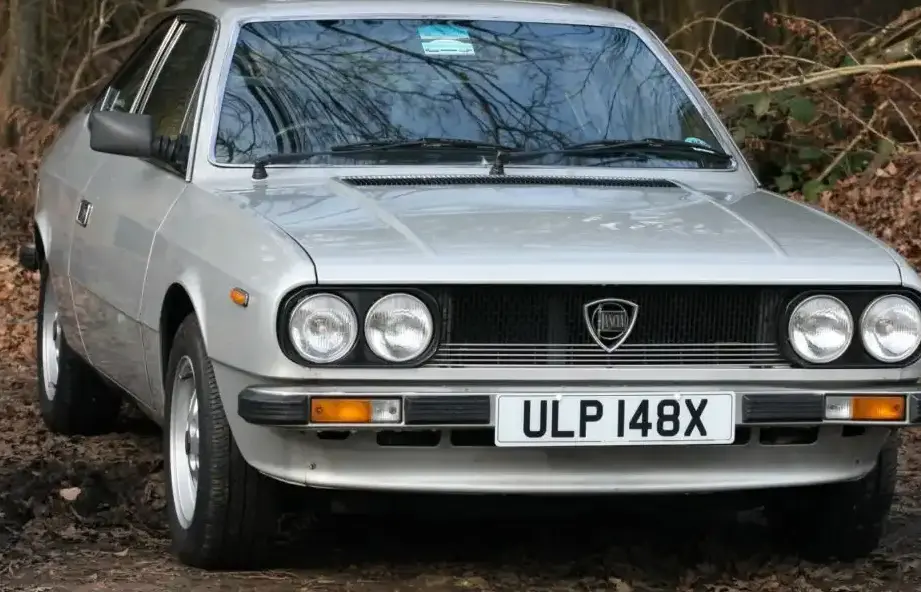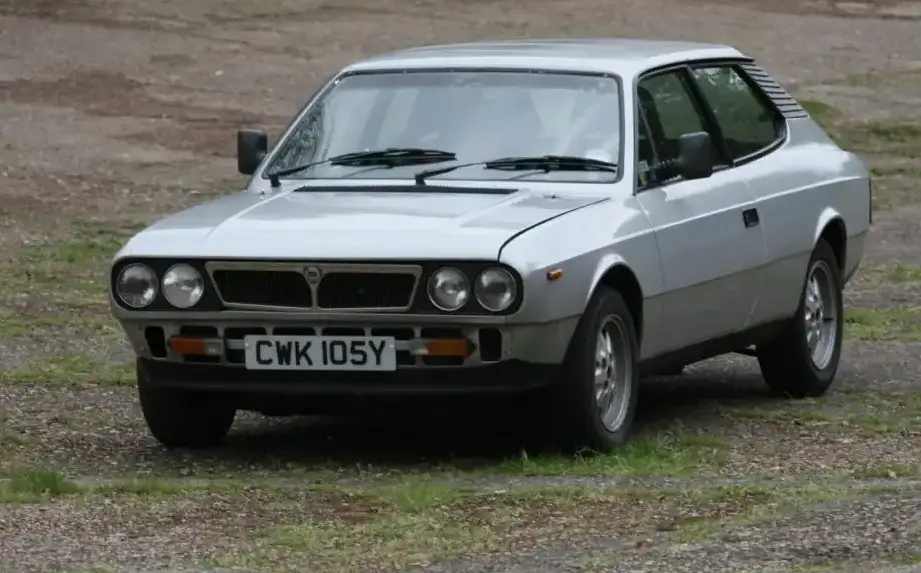
The Lancia Beta HPE (High Performance Estate), specifically the 2000 Volumex variant (chassis code 828 BF), represents a unique and relatively short-lived iteration of the Beta model line. Produced between 1983 and 1984, it combined the practicality of a station wagon body style with a supercharged engine, offering a distinctive blend of performance and utility. This model occupied a niche position within the Beta range, positioned as the performance-oriented estate car, appealing to buyers seeking something beyond the standard Beta offerings. It was a final flourish for the Beta line before its eventual discontinuation, showcasing Lancia’s engineering prowess.
Technical Specifications
| Brand | Lancia |
| Model | Beta |
| Generation | Beta HPE (828 BF) |
| Type (Engine) | 2000 Volumex (135 Hp) |
| Start of Production | 1983 |
| End of Production | 1984 |
| Powertrain Architecture | Internal Combustion Engine |
| Body Type | Station Wagon (Estate) |
| Fuel Type | Petrol (Gasoline) |
| Power | 135 Hp |
| Engine Model/Code | 828 B7.000 |
| Engine Aspiration | Naturally Aspirated with Supercharger |
| Engine Oil Capacity | 4.5 l (4.76 US qt | 3.96 UK qt) |
| Coolant Capacity | 7.5 l (7.93 US qt | 6.6 UK qt) |
Powertrain & Engine Architecture
The heart of the 2000 Volumex is the 1995cc inline-four cylinder engine, designated 828 B7.000. What sets this engine apart is the addition of a Roots-type supercharger, manufactured by Volumex (hence the model name). This supercharger, belt-driven from the crankshaft, provides a significant boost in power compared to the naturally aspirated Beta engines. The engine features a single overhead camshaft, operating two valves per cylinder. Fuel delivery is managed by Bosch mechanical fuel injection, a system common for the era, providing a balance between performance and reliability. The supercharger delivers approximately 0.4 bar (5.8 psi) of boost. The engine’s compression ratio is 8.8:1. The engine’s design, while robust, was known to require careful maintenance, particularly regarding the supercharger’s lubrication and belt tension.
Driving Characteristics
The 2000 Volumex offered a noticeable performance improvement over other Beta variants. The supercharger provides instant torque, making the car feel responsive and lively, especially at lower engine speeds. While 135 horsepower doesn’t sound substantial by modern standards, it was a respectable figure for a family estate car in the early 1980s. The Beta HPE’s independent suspension – featuring double wishbones at the front and a trailing arm setup at the rear – contributed to a relatively comfortable ride and decent handling. However, the added weight of the supercharger and the estate body style did impact agility compared to the lighter Beta coupes. The four-speed manual transmission was the standard offering, providing direct control over the engine’s power. The gear ratios were tuned to maximize acceleration, but the engine’s peak torque was available across a broad rev range, making it forgiving to drive. The supercharger whine is a distinctive characteristic of this model, adding to the driving experience.
Equipment & Trim Levels
The Beta HPE 2000 Volumex was generally well-equipped for its time, though not excessively luxurious. Standard features included cloth upholstery, a wood-rimmed steering wheel, and a comprehensive instrument panel. The interior design was typical of Italian cars of the period – functional and stylish. Power steering was often included, making the car easier to maneuver. Optional extras included a sunroof, upgraded audio systems, and metallic paint finishes. The HPE trim level itself signified a higher level of equipment compared to the base Beta models. The estate body style offered a generous amount of cargo space, making it a practical choice for families or those needing to transport larger items. The interior trim was generally durable, though prone to wear and tear over time.
Chassis & Braking
The Beta HPE utilized a monocoque chassis construction, providing a good balance of strength and weight. The front suspension featured independent double wishbones with coil springs and telescopic shock absorbers. The rear suspension employed a trailing arm setup, also with coil springs and shock absorbers. This configuration provided a comfortable ride and reasonable handling characteristics. Braking was initially accomplished with front disc brakes and rear drum brakes. Later models often featured disc brakes all around, improving stopping performance. The braking system was hydraulically assisted, providing adequate stopping power for the car’s weight and performance. Stabilizer bars were fitted to both the front and rear axles, helping to reduce body roll during cornering.
Market Reception & Comparison
The Lancia Beta HPE 2000 Volumex was generally well-received by automotive journalists, who praised its performance and practicality. It was seen as a unique offering in the estate car segment, combining Italian style with a potent engine. However, the car’s relatively high price and Lancia’s reputation for reliability issues (particularly with electrical components) limited its sales success. Compared to other Beta variants, the 2000 Volumex offered significantly more performance, but at the cost of slightly reduced fuel economy. The naturally aspirated 2.0-liter Beta offered better fuel efficiency, while the Beta Coupe Volumex provided a more focused sporting experience. The 2000 Volumex occupied a middle ground, appealing to those who wanted a blend of performance and practicality.
Legacy
The Lancia Beta HPE 2000 Volumex remains a relatively rare and sought-after classic car today. Its distinctive styling and supercharged engine make it a popular choice among Lancia enthusiasts. While the car is known to require regular maintenance, particularly regarding the supercharger, it offers a rewarding driving experience. Parts availability can be challenging, but a dedicated network of Lancia specialists exists to support owners. The 2000 Volumex represents a high point in the Beta range, showcasing Lancia’s engineering creativity and commitment to performance. In the used car market, well-maintained examples command a premium price, reflecting their rarity and desirability. The car’s enduring appeal lies in its unique combination of Italian flair, performance, and practicality.