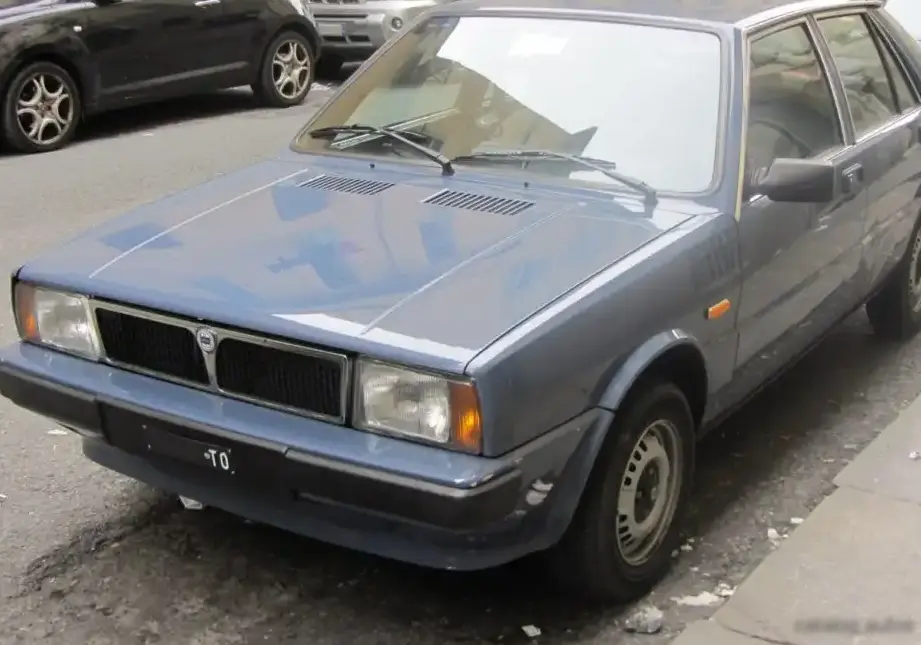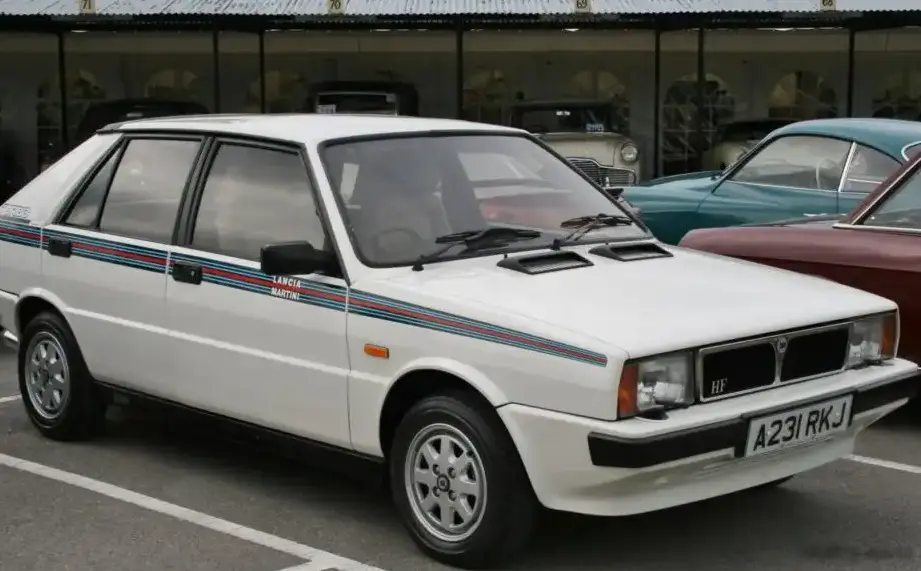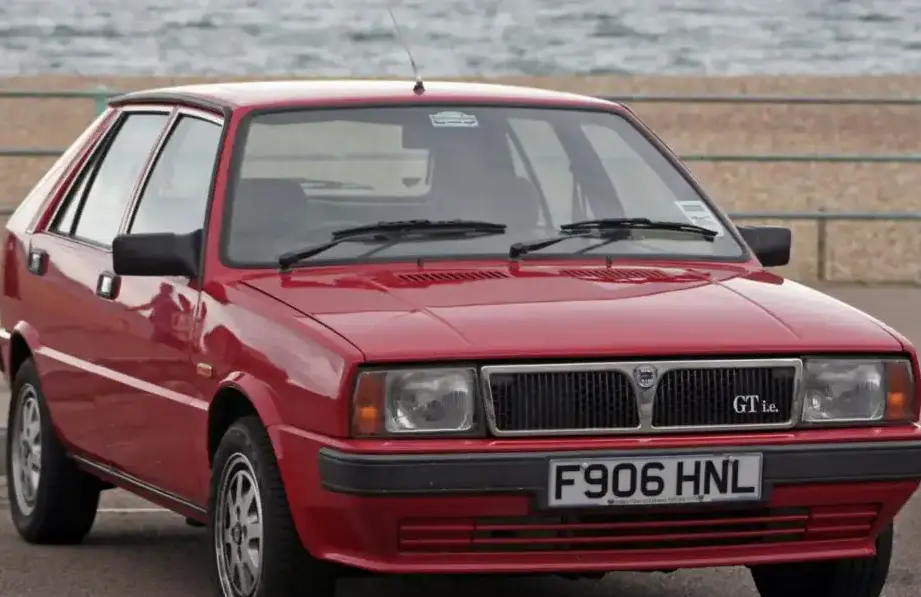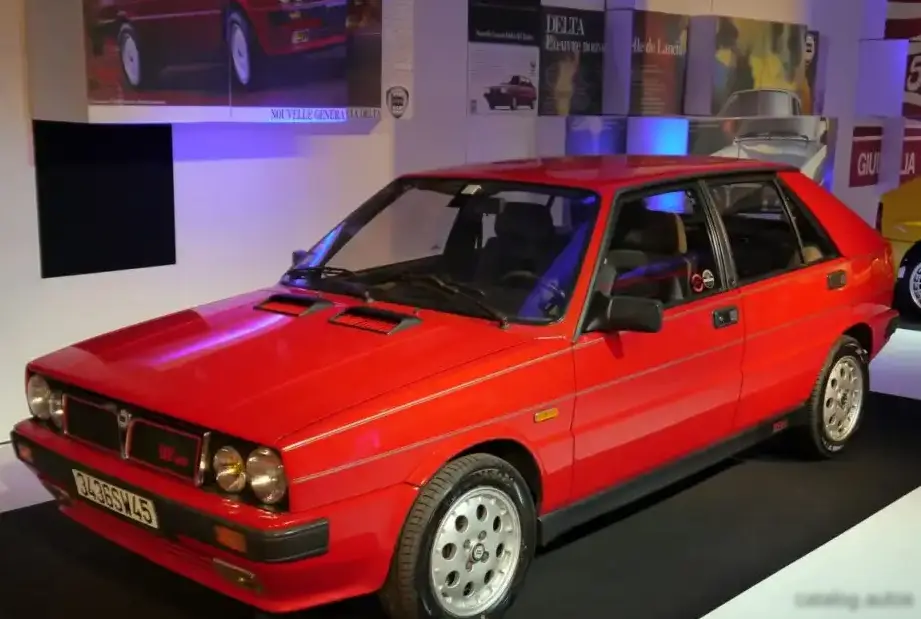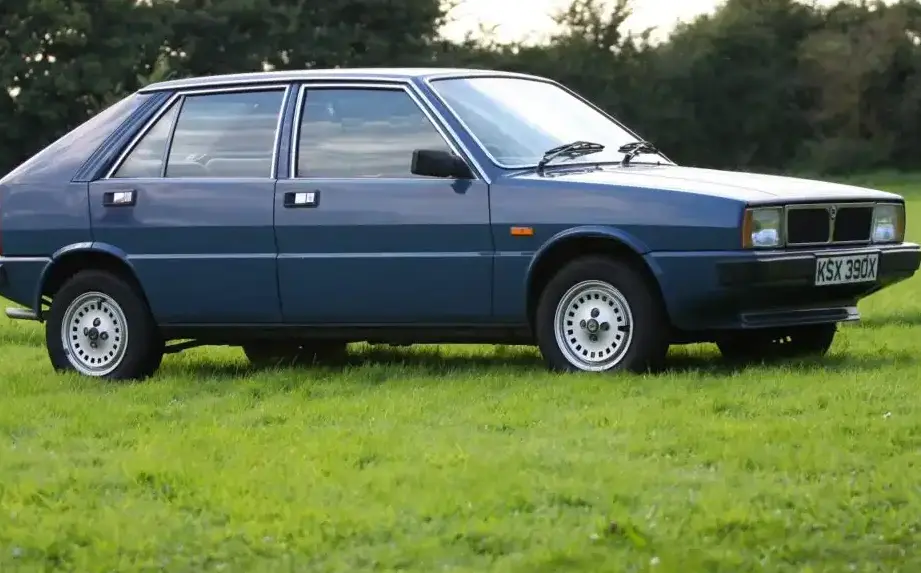
The Lancia Delta 1500, produced between September 1979 and October 1982, represents the entry point into the innovative first generation (831) of Lancia’s hugely successful Delta hatchback. Positioned as the base model, the 1500 offered a blend of practicality, Italian styling, and relatively accessible performance. It was a key component in establishing the Delta’s reputation as a modern, well-engineered family car, and served as the foundation for the more potent variants that would follow. The Delta I, built on the Tipo 831 platform, was a significant departure for Lancia, moving away from their traditionally more luxurious and complex offerings towards a more mainstream, mass-market vehicle. This 1.5-liter version was particularly important in attracting a wider customer base, especially in Europe where compact hatchbacks were gaining immense popularity.
Technical Specifications
| Brand | Lancia |
| Model | Delta |
| Generation | Delta I (831) |
| Type (Engine) | 1500 1.5 (85 Hp) |
| Start of production | September, 1979 |
| End of production | October, 1982 |
| Powertrain Architecture | Internal Combustion engine |
| Body type | Hatchback |
| Seats | 5 |
| Doors | 5 |
| Fuel consumption (urban) | 10.7 l/100 km (22 US mpg, 26.4 UK mpg, 9.3 km/l) |
| Fuel consumption (extra urban) | 6.7 l/100 km (35.1 US mpg, 42.2 UK mpg, 14.9 km/l) |
| Fuel Type | Petrol (Gasoline) |
| Acceleration 0 – 100 km/h | 12.5 sec |
| Acceleration 0 – 62 mph | 12.5 sec |
| Acceleration 0 – 60 mph | 11.9 sec |
| Maximum speed | 160 km/h (99.42 mph) |
| Weight-to-power ratio | 11.5 kg/Hp, 87.2 Hp/tonne |
| Weight-to-torque ratio | 7.9 kg/Nm, 126.2 Nm/tonne |
| Power | 85 Hp @ 5800 rpm |
| Power per litre | 56.7 Hp/l |
| Torque | 123 Nm @ 3500 rpm (90.72 lb.-ft. @ 3500 rpm) |
| Maximum engine speed | 6200 rpm |
| Engine layout | Front, Transverse |
| Engine Model/Code | 831A1000 |
| Engine displacement | 1498 cm3 (91.41 cu. in.) |
| Number of cylinders | 4 |
| Engine configuration | Inline |
| Number of valves per cylinder | 2 |
| Fuel injection system | Carburettor |
| Engine aspiration | Naturally aspirated engine |
| Valvetrain | SOHC |
| Engine oil capacity | 4.3 l (4.54 US qt | 3.78 UK qt) |
| Coolant capacity | 6 l (6.34 US qt | 5.28 UK qt) |
| Kerb Weight | 975 kg (2149.51 lbs) |
| Max. weight | 1425 kg (3141.59 lbs) |
| Max load | 450 kg (992.08 lbs) |
| Trunk (boot) space – minimum | 260 l (9.18 cu. ft.) |
| Trunk (boot) space – maximum | 1000 l (35.31 cu. ft.) |
| Fuel tank capacity | 45 l (11.89 US gal | 9.9 UK gal) |
| Permitted trailer load with brakes (12%) | 1045 kg (2303.83 lbs) |
| Length | 3885 mm (152.95 in) |
| Width | 1620 mm (63.78 in) |
| Height | 1380 mm (54.33 in) |
| Wheelbase | 2465 mm (97.05 in) |
| Front track | 1400 mm (55.12 in) |
| Rear track | 1400 mm (55.12 in) |
| Minimum turning circle | 10.5 m (34.45 ft) |
| Front suspension | Independent, McPherson with coil spring and anti-roll bar |
| Rear suspension | McPherson, Transverse stabilizer |
| Front brakes | Disc |
| Rear brakes | Drum |
| Steering type | Steering rack and pinion |
| Tires size | 165/70 R13 |
| Wheel rims size | 5J x 13 |
Powertrain & Engine Architecture
The heart of the Lancia Delta 1500 was the 831A1000 engine, a 1.5-liter (1498cc) inline-four cylinder unit. This engine, a product of Lancia’s engineering, featured a single overhead camshaft (SOHC) valvetrain with two valves per cylinder. Fuel delivery was handled by a Weber 32 ADFA carburetor, a common setup for European cars of this era. The engine produced 85 horsepower at 5800 rpm and 123 Nm (90.72 lb-ft) of torque at 3500 rpm. The engine was transversely mounted, a configuration becoming increasingly popular for front-wheel-drive vehicles to optimize space utilization. The transmission was a standard five-speed manual gearbox, providing a reasonable balance between fuel economy and performance. The engine’s design prioritized reliability and ease of maintenance, making it a practical choice for everyday driving.
Driving Characteristics
The Delta 1500, with its 85 hp and relatively lightweight construction (around 975 kg or 2149 lbs), offered adequate, though not exhilarating, performance. Acceleration from 0 to 60 mph took approximately 11.9 seconds, and it had a top speed of around 99 mph. Compared to the later, more powerful Delta variants like the 1.6 HF or the turbocharged models, the 1500 felt noticeably slower. However, its strength lay in its usability. The carburetor provided smooth, predictable power delivery, and the five-speed gearbox allowed drivers to keep the engine in its optimal rev range. The gear ratios were tuned for fuel efficiency and everyday drivability rather than outright speed. The front-wheel-drive layout provided decent handling, although it lacked the sophistication of later Delta models with more advanced suspension setups.
Equipment & Trim Levels
As the entry-level Delta, the 1500 was equipped with a fairly basic, but functional, set of features. Standard equipment included cloth upholstery, a simple dashboard layout with analog gauges, and manual windows and door locks. The interior was designed with practicality in mind, offering comfortable seating for five passengers and a reasonably spacious cargo area (260-1000 liters). Optional extras included a sunroof, upgraded audio systems, and metallic paint finishes. The trim level was generally consistent across the 1500 models, with limited customization options available.
Chassis & Braking
The Delta 1500 utilized a McPherson strut suspension setup at both the front and rear, providing a comfortable ride quality. A transverse stabilizer bar was fitted at the rear to reduce body roll during cornering. The braking system consisted of disc brakes at the front and drum brakes at the rear, which were adequate for the car’s weight and performance. The steering was a rack and pinion system, offering precise and responsive handling. The car rode on 165/70 R13 tires, mounted on 5J x 13 inch steel wheels.
Market Reception & Comparison
The Lancia Delta 1500 was generally well-received by automotive critics as a practical and well-built hatchback. It was praised for its comfortable ride, spacious interior, and relatively affordable price. However, some critics noted that its performance was somewhat underwhelming compared to its rivals. Compared to other 1.5-liter hatchbacks of the time, such as the Volkswagen Golf or the Ford Escort, the Delta 1500 offered a more refined driving experience and a more stylish interior. Fuel economy was competitive for the era, averaging around 35 mpg on the highway. Reliability was generally good, although carburetor maintenance could be required periodically.
Legacy
The Lancia Delta 1500 played a crucial role in establishing the Delta as a successful model line. While not the most powerful or technologically advanced version, it provided an accessible entry point for customers and laid the groundwork for the more iconic Delta variants that followed. Today, the Delta 1500 is a relatively rare sight on the roads, but it remains a popular choice among classic car enthusiasts. The 831A1000 engine is known for its durability and relative simplicity, making it a relatively easy engine to maintain. Well-maintained examples of the Delta 1500 are increasingly sought after by collectors, representing a piece of Italian automotive history.